
As a writer on 18th-century houses, Dan Cruickshank has few rivals for scholarliness and fluency, as well as an ability to convey complicated stories about his interests to the wider public. The latter will know him from his television appearances; to scholars, he is best known still for London: The Art of Georgian Building, first published with Peter Wyld in 1975, and its successor, Georgian Town Houses and Their Details, published in 1990. For the reader who might be an architect on a restoration project as much as a connoisseur, the books provide a ravishing source of authoritative information. There is something, too, about Cruickshank’s personal style that associates him with the period, and there are few who can convey the feeling of those houses in quite the way that he does.
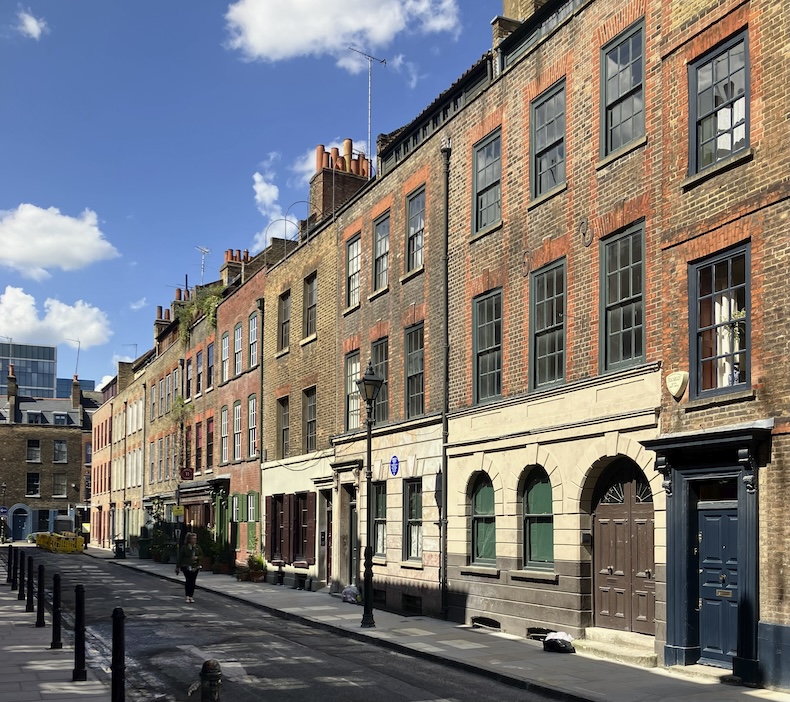
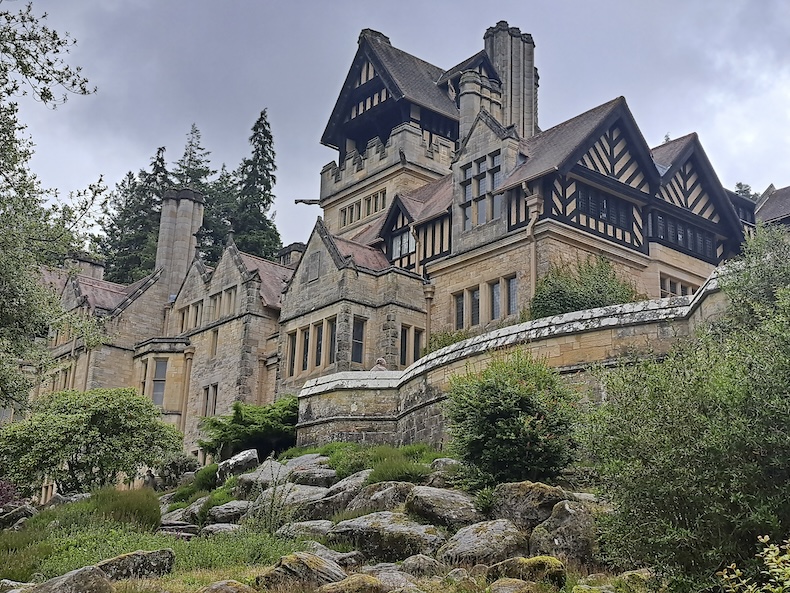
This new book, however, is something different; it is a compendium of stories about houses from past centuries with some general narrative on architectural history thrown in. The chapters on the type of house that he knows best – Pallant House in Chichester (1712); a Spitalfields house from 1718; and Maister House in Hull, from around the middle of the 18th century – are truly Cruickshankian. That is to say, they convey an intimate sense of how the houses were built, and what kind of daily life they were designed for. The other chapters do not. These include a stately bank and house in central Liverpool dating from the tail end of the 18th century; a description of some aspects of the construction of Cragside, a country house near Rothbury by Richard Norman Shaw; some Victorian terraced houses in Toxteth, Liverpool; and an introduction to the Boundary Estate in Shoreditch, the early public-housing masterpiece of the London County Council from 1890–1900. There is also a chapter on New Ways, a 1920s modernist house improbably designed in Northampton by Peter Behrens, the German designer of factories and light bulbs, for the model-train manufacturer Wenman Joseph Bassett-Lowke.
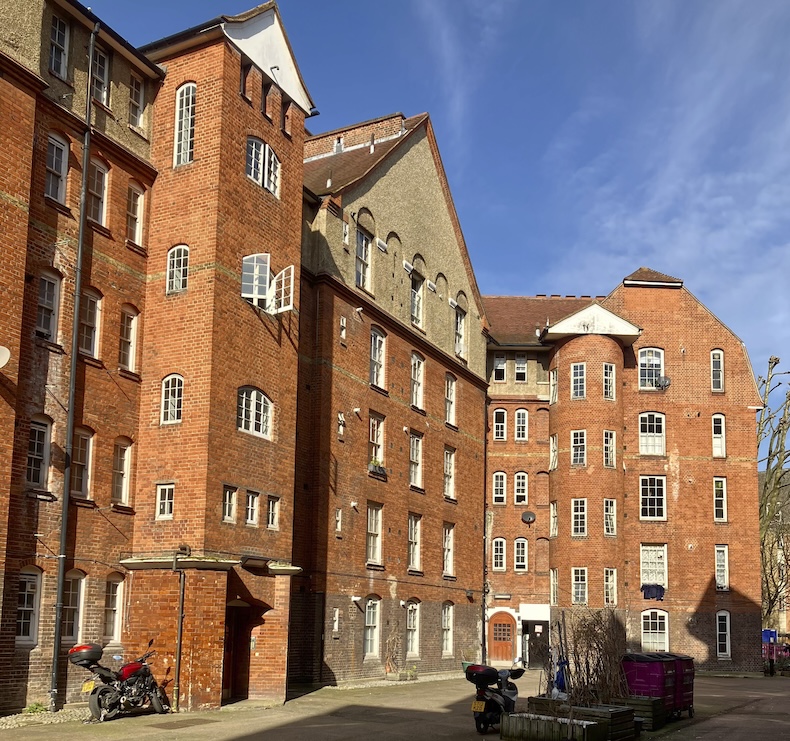
In the case of the Toxteth and Shoreditch houses, there is some glimpse of that Cruickshankian brilliance as we hear about the inhabitants’ lives and occupations, as well as details such as the planks and muntins – vertical timber members – from which internal walls are constructed or clad. But none of this comes close to his evocative description of the houses and residents of Spitalfields, where Cruickshank himself has lived since the 1970s. His chosen case study, 19 Princelet Street, was typical of the other developers’ houses nearby until a synagogue was built at its rear in the 1890s. The stories here of a humble Jewish existence or of personalities with distinguished long-distance connections are fascinating, and beautifully told.
For Cruickshank, any story about the common man and woman of the 18th century also involves at least some reference to those unsavoury stories of Georgian decadence, usually derived from court proceedings, that people seem to find so entrancing. In 2009 he published a lengthy book on this, called The Secret History of Georgian London: How the Wages of Sin Shaped the Capital, which proffers countless tales of groping and spanking, exploits at ‘molly houses’ and a colourful array of venereal diseases. The English House, by contrast, has only a single reference to a central London shop for sex toys, though the whiff of vice is still hinted at in Cruickshank’s descriptions of people’s marital arrangements.
Some of the chapters which are not about Georgian houses contain simple historical extracts from architectural history, giving the impression that this book is not really intended for architectural readers. The chapter on Cragside, for example, a house about which there is so much to say, includes a conventional account running to 25 pages of A.W.N. Pugin, the early Gothic Revival, the Crystal Palace and the battle of the styles of the sort you can find in any textbook. It is possible to claim that Cruickshank is doing this for didactic reasons – that is, those who are already familiar with his work on the 18th century will now be encouraged to learn about something else, but it makes for an odd combination. This is further emphasised by the selection of colour plates which appear in two sections in the book: a large number of these are of buildings or people only marginally connected to the chapters. There are, for example, two photographs of a house by Edwin Lutyens, who is himself referred to only in passing, and one of Kenwood, which is not mentioned at all. Colour photographs are a rare commodity in this type of ‘trade’ publication, and it is a shame that there are not more to illustrate the details of the houses which Cruickshank knows how to describe so well.
So what this needed, in short, is more Cruickshankiana. Yale University Press has produced short, general-reader books by Clive Aslet on country houses and by John Goodall on castles, so it can be done. But specifically, it would be fascinating to hear about Victorian and later houses more precisely and intimately from the pen of one so immersed in the carpentry, the squalor and the fashions of Georgian England. How do these houses look from that point of view? What aspects of 18th-century life and work survived into the later centuries when others did not? How can one see, as late Georgian architects and critics did, the impact of the collapse of a decades-long tradition of building? I can’t help thinking that the author has missed an opportunity here.
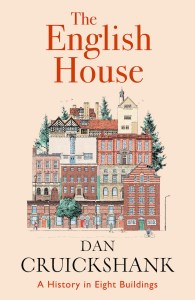
The English House: A History in Eight Buildings, by Dan Cruickshank, is published by Hutchinson Heinemann.