From the January 2026 issue of Apollo. Preview and subscribe here.
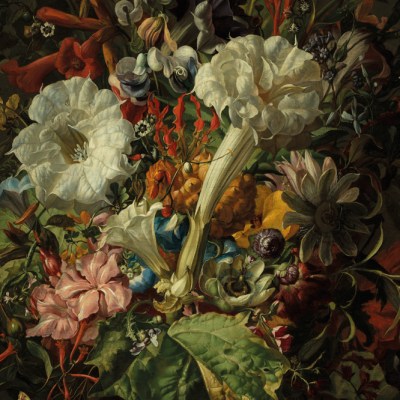
It is sometimes said that Belgium has, per capita, more art collectors than any other country in the world. This is a fact that Beatrix Bourdon, managing director of BRAFA, brings up as we are talking over Zoom, adding that Belgian collectors tend to be ‘very discreet’. Discretion is a quality that could be attributed to BRAFA too: ‘It’s never a revolutionary fair,’ Bourdon says, ‘but each year we try to change things for the better.’ There may well be glitzier, showier fairs around, where the emphasis is as much on the parties as it is on the art, but for BRAFA, a non-profit, that kind of thing has never been on the cards.
The closest the Brussels fair comes to bells and whistles is its annual Guest of Honour. This year it is the King Baudouin Foundation, a philanthropy and heritage organisation that is celebrating its 50th anniversary.
BRAFA, which has been going since 1956, can attribute its long-term success to its eclecticism, its high bar for quality and the fact that it is a ‘very friendly’ fair, where meaningful discussion – between exhibitors and collectors, for example – is actively encouraged. The brief is large, covering objects from prehistory to the 21st century, something that is becoming ‘rarer and rarer’ these days.
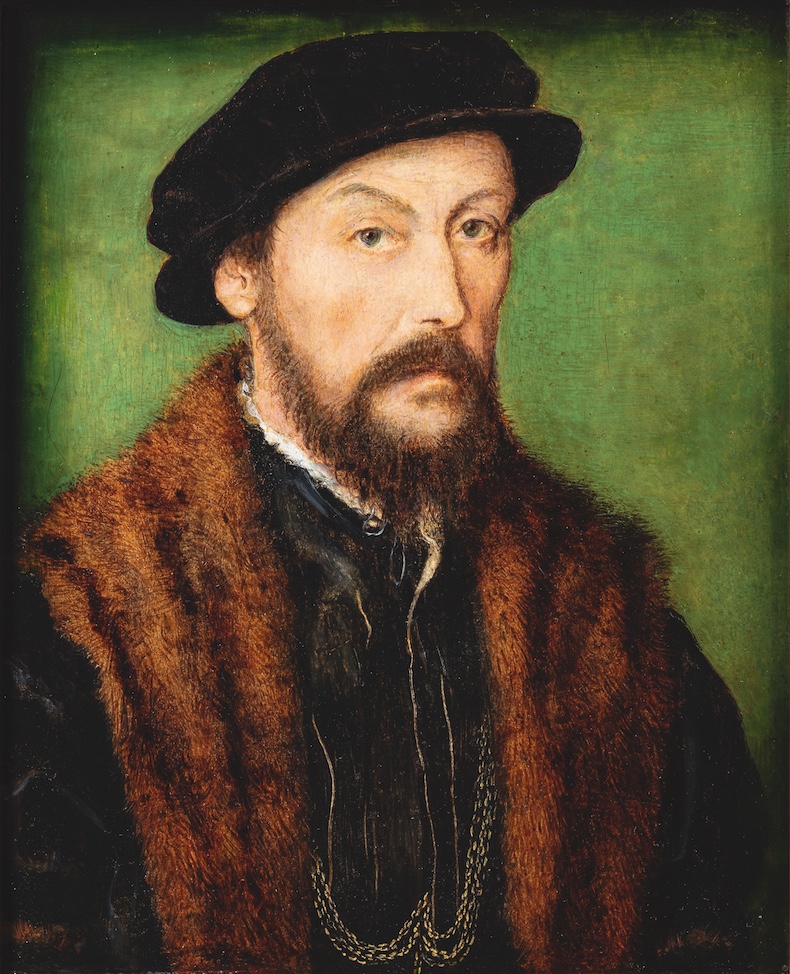
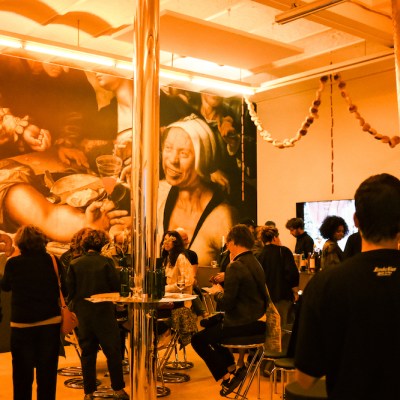
The fair is growing, too, with the exhibitor list up from 128 last year to 147 in 2026, with 22 newcomers, including the Antwerp-based Old Master specialists Arte-Fact Fine Art. An extra hall in Brussels Expo has been booked this year, partly to make room for the additional booths, and partly to house a new food court which, Bourdon says, will allow people to stay longer without having to worry about nipping out to get lunch.
It has not been all that long since BRAFA opened its doors to 21st-century art, but it has a substantial showing of prestigious contemporary galleries. Among Bourdon’s top picks is the Paris gallery Almine Rech, whose booth will feature ceramics and engravings by Picasso, as well as a new kinetic sculpture of a crow by the Belgian artist Hans Op de Beeck. When it comes to Old Masters, look out for Galerie Perrin, the specialist in 18th-century French art; Hartford Fine Art Lampronti Gallery, which has, among other works, a serene Canaletto showing the Piazza San Marco; and Colnaghi, which is bringing several Dutch 17th- and 18th-century paintings, as well as a 4th-century terracotta epichysis – a small jug with a long, thin spout – from Greece that in the 19th century was bought by the French art critic and collector Eugène Piot.
The fact that so many major international galleries (and more than 70,000 visitors) continue to make the effort to come to Brussels in January is heartening for Bourdon – and evidence of BRAFA’s enduring appeal. As Bourdon says, ‘We want people to enjoy themselves, and to think, “What will they do this year?”’
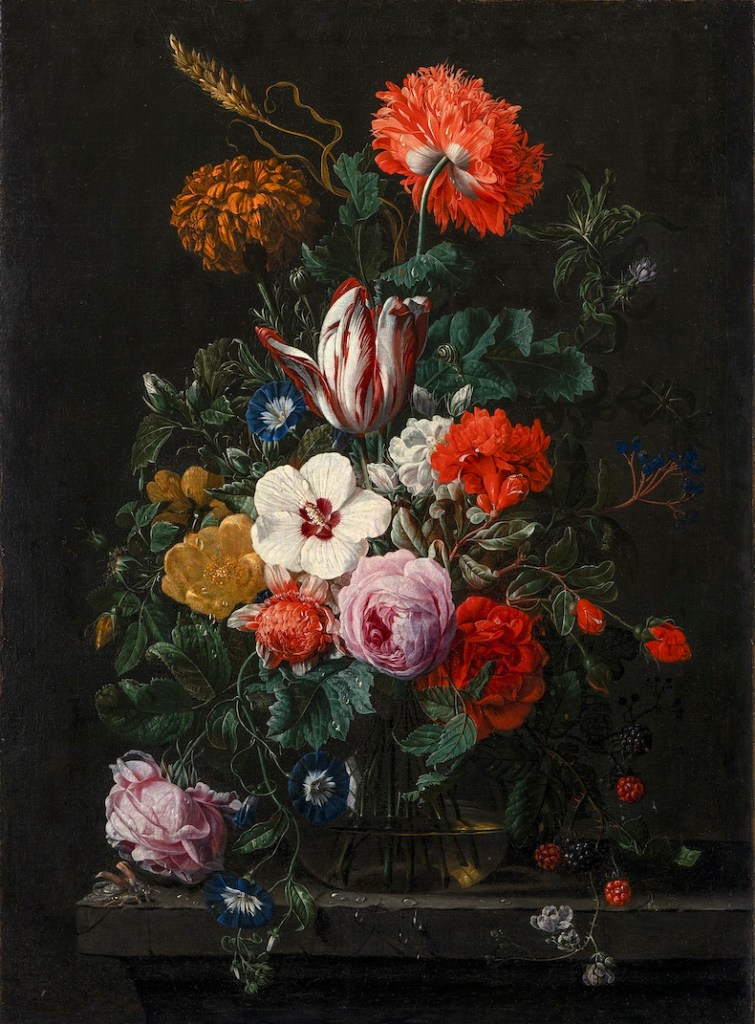
BRAFA takes place at Brussels Expo from 25 January–1 February.
Gallery Highlights
Unveiled Desires: Fetish and the Erotic in Surrealism, 1880–Today, Part 2
13 January–28 February
Richard Saltoun, London
The curator Maudji Mendel takes a broad view of both Surrealism and of the concept of the erotic in this two-part exhibition. The first instalment, which took place last year, focused on performance and fetish; this one explores how eroticism interacts with personal identity and the subconscious, with works by artists and designers such as Eileen Agar, Denise Bellon and Elsa Schiaparelli on display.
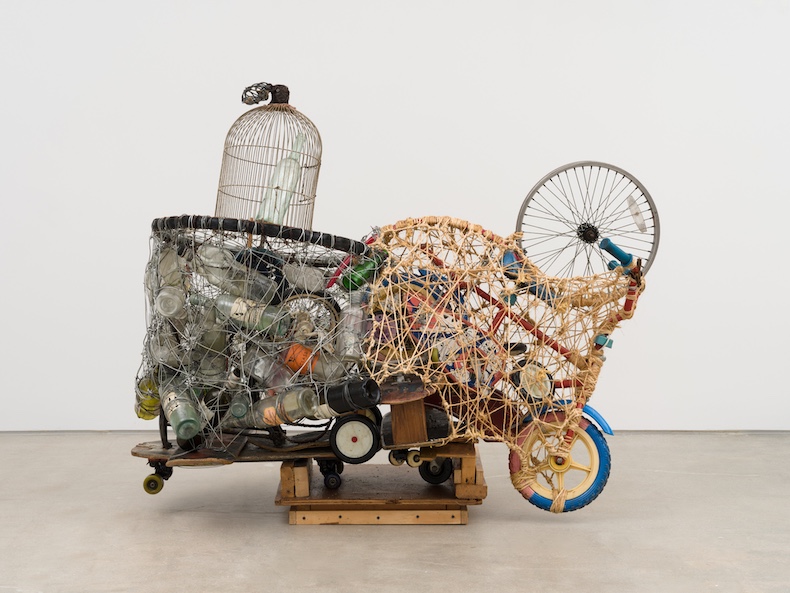
Arthur Simms: Caged Bottle
9 January–14 February
Karma, New York
As a child growing up in Jamaica, Simms made his own toys from found materials. The assemblage-like artworks that form the basis of his practice today draw on those early experiences, as well as on Surrealist sculpture, Robert Rauschenberg’s Combines, the folk traditions of Jamaica, Aboriginal art and more. This exhibition takes its name from a playful work made by Simms in 2006 that brings rope, bicycle wheels and glass bottles into a strange kind of harmony.
‘Entre ciel et terre…’ Hommage à Giovanni Sarti
16 January–3 April
Galerie G. Sarti, Paris
Giovanni Sarti founded his eponymous gallery in London in 1977 and moved it to Paris, just a short walk from the Champs-Élysées, two decades later. Since then, Galerie G. Sarti has become one of the world’s leading dealers in Italian art from the late medieval period to the 17th century. Sarti died in 2024 and this show of 12 paintings, including a luminous late 13th-century Virgin and Child by Duccio and a swirling depiction of Samson and Delilah by the Sienese baroque artist Bernadino Mei, is designed to honour his legacy.
Northern Lights: Masterpieces of Flemish Caravaggism
Until 30 January
Colnaghi, Brussels
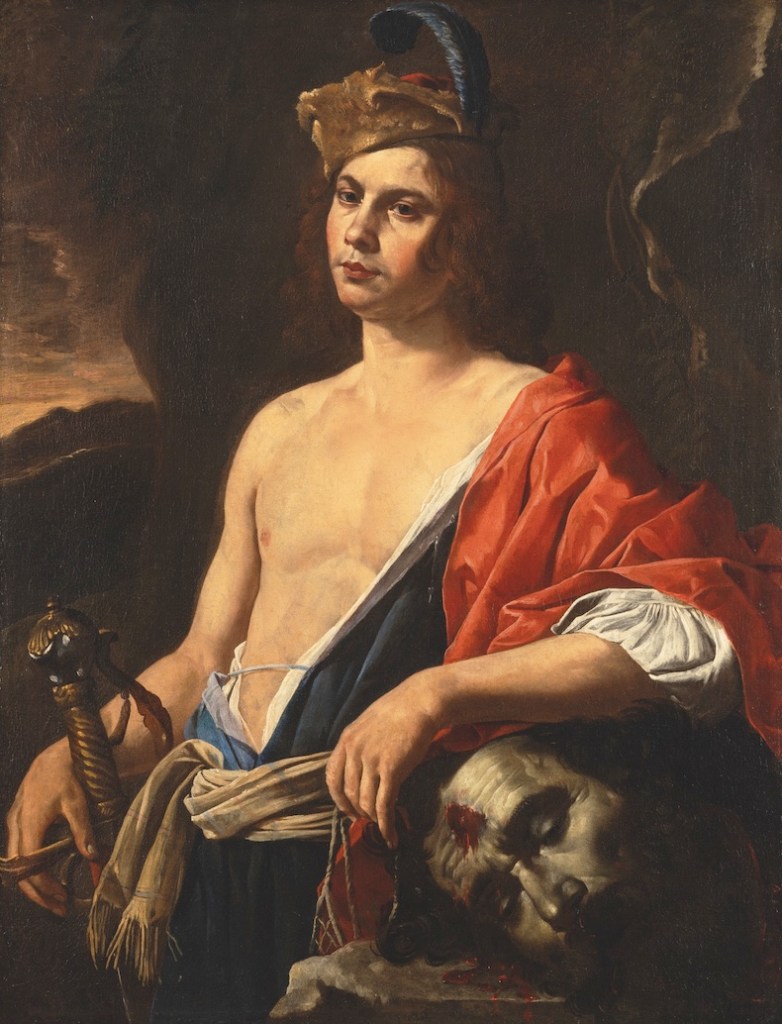
The extent of Caravaggio’s influence on 17th-century Flemish art has, this exhibition contends, long been underplayed – or discussed merely in relation to the domineering figure of Rubens. This show aims to give a fuller picture of Flemish Caravaggism, telling a story of cultural exchange that moves between Rome, Naples and Antwerp. On display are paintings by artists who travelled to Italy and chose to stay there, such as Hendrick de Somer and Matthias Stom, as well as those, including Jan van Dalen, who returned to Flanders and spread the master’s influence in their home country.
Fair in Focus
Master Drawings New York
30 January–7 February
Various locations, New York
Held across some 25 galleries on the Upper East Side, Master Drawings New York this year celebrates its 20th anniversary as the leading fair for works on paper in the United States. Thirty-five dealers from around the world are participating in this edition, including several newcomers, Charles Ede, Agar Marteau Fine Art and Finch & Co among them. Once again the fair is partnering with the non-profit Drawing Foundation, which has helped organise a slate of lectures, panels and tours of exhibitions at major institutions, such as the Met and the Bard Graduate Center, during the fair. Although its core is Old Master drawings, in recent years the fair has grown, both in terms of medium – paintings, photography and sculpture feature nowadays – and time period, with works by modern and contemporary artists from Rufino Tamayo to Karel Appel on show.

From the January 2026 issue of Apollo. Preview and subscribe here.