The board of the John F. Kennedy Memorial Center for the Performing Arts in Washington, D.C., has voted to rename it The Donald J. Trump and the John F. Kennedy Memorial Center for the Performing Arts. After the vote on 18th December, new signage was installed the next day, reports the Associated Press. In February this year Trump sacked 18 members of the Kennedy Center’s board, amounting to half of its members, and installed himself as its chair. The legality of the name change is doubtful – a 1964 law passed by Congress named the Center, which opened in 1971 to be a ‘living memorial’ to the assassinated 35th president of the United States. In other news from the capital, the Trump administration has vowed to build a triumphal arch near the Arlington National Cemetery and the Lincoln Memorial. The Guardian reports that the president described the arch as the ‘primary’ priority for Vince Haley, who leads the White House Domestic Policy Council.
An independent review has recommended that Arts Council England (ACE) should continue to exist, but not with its current structures or funding. The review, overseen by life peer and former Labour MP Margaret Hodge, calls for ‘a completely new model for funding the National Portfolio Organisations’ (NPOs) – that is, the bodies that are allocated funds by ACE – which would involve, among other things, lengthening the funding cycles of NPOs from three to five years. The review also suggests that ACE ‘reduce the number of its funding streams’; that it introduce a new funding programme for ‘emerging and mid-career individuals’ to the tune of £30,000 per year; and that it undertake ‘a comprehensive overhaul of its [digital] systems’, which were criticised by respondents for not being user-friendly. The review maintains that ACE should continue to operate at arm’s length from the government.
The National Museum of Libya in Tripoli has reopened this week after being closed for nearly 14 years, the Guardian reports. The museum, which was closed in 2011 shortly after the fall of the Libyan dictator Muammar Gaddafi, holds an extensive collection of artefacts of North African history, including friezes and status from the ancient Roman sites Leptis Magna and Sabratha, a 5,400-year-old mummified toddler discovered in Tashwinat Valley in 1959, and archaeological finds such as coins and mosaics. Also on display are items that have been returned to Libya during the museum’s period of closure, including nine objects from the United States, the Smithsonian Magazine reports. The repatriation of some 24 objects from Spain and several more from Austria is currently being negotiated. The reopening was marked by a ceremony that included fireworks, acrobats and a full-size orchestra, and was attended by several senior Libyan officials, including the country’s prime minister, Abdul Hamid Dbeibeh.
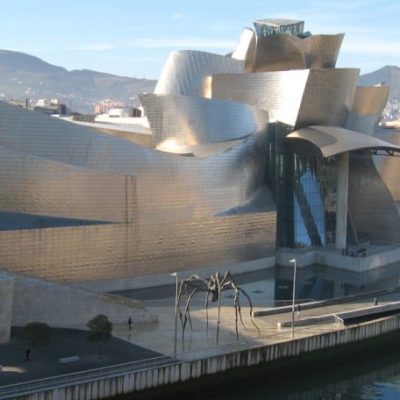
Controversial plans to expand the Guggenheim Bilbao have been scrapped after a vote taken by the museum’s board of trustees. The project would have consisted of a new building in the Urdaibai nature reserve, some 40km outside Bilbao, with an estimated cost of €128m. Although the Guggenheim envisioned the new outpost as a way of exploring the links between art and nature, the plan, first touted in 2008, had attracted criticism from environmental groups such as Greenpeace, which in 2024 filed a lawsuit claiming that the new building would be deleterious to the ecology of the nature reserve. In a statement seen this week by the Art Newspaper, the reasons given for the board’s rejection of the plan are to do with ‘territorial, urban planning, and environmental constraints and limitations’.