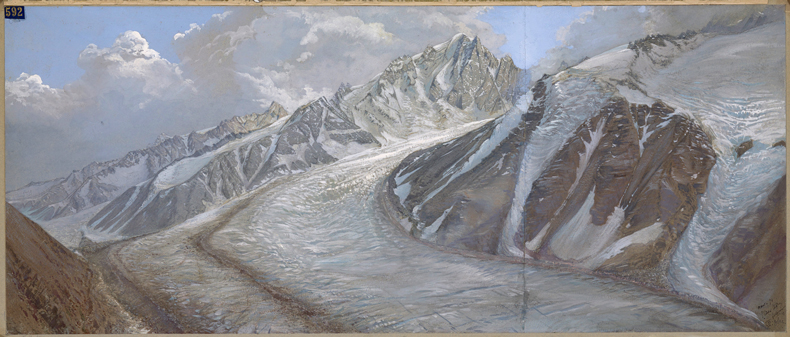
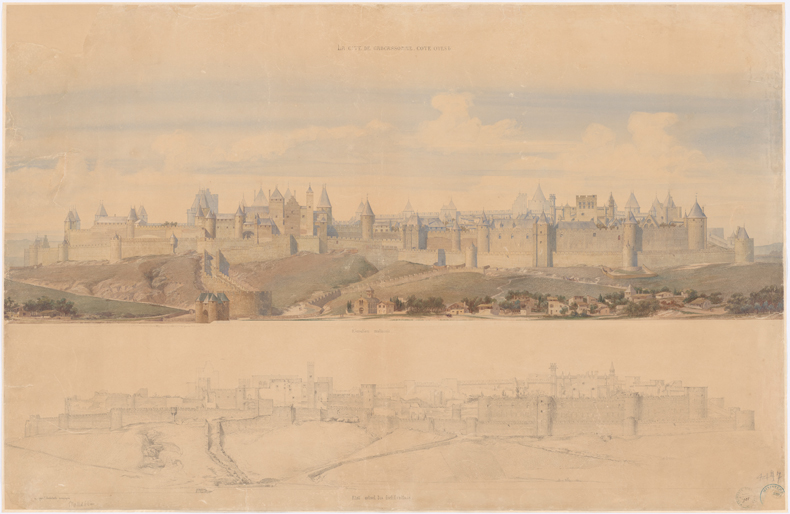
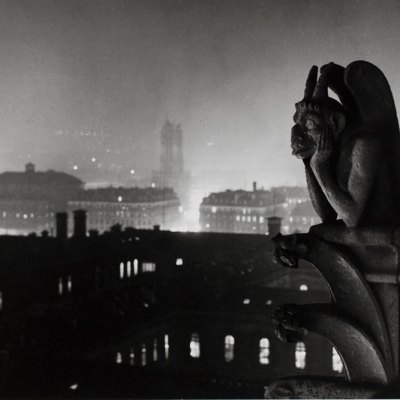
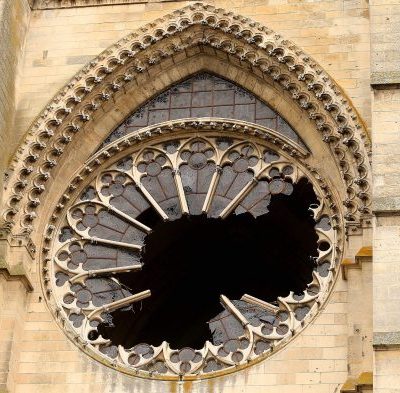
Eugène-Emmanuel Viollet-le-Duc (1814–79) was many things: an artist, a historian, a military strategist, an administrator – and the hardest-working architect in 19th-century France. He was a divisive figure in his own lifetime and has remained so ever since, thanks to his conviction that architects ought to exercise some artistic licence when restoring historic buildings. But there’s no question that he has transformed the way we see many of France’s historic monuments, from Carcassonne to Notre-Dame, on which he bestowed a grander spire and a sculpture gallery of gargoyles. This exhibition in New York celebrates Viollet-le-Duc’s draughtsmanship, demonstrating how his drawings express a profound love of gothic architecture and the values he believed it represented – ambition, inventiveness and craftsmanship (28 January–24 May). The show spans the breadth of his career, from the sketches he made during early travels around Italy to the grand depictions of Mont Blanc he drew in the last decade of his life.
Find out more from the Bard Graduate Center’s website.
Preview below | View Apollo’s Art Diary