From the February 2026 issue of Apollo. Preview and subscribe here.
When John D. Rockefeller III (1906–78) founded the Asia Society in New York in 1956, many Americans associated Asian countries with war and political upheaval. Complicating the aftermath of the Second World War and, more recently, the Korean War, were the anti-Communist sentiments of the Red Scare. The Vietnam War was just getting under way. Rockefeller had led the reopening of the Japan Society in New York in 1952, an effort to mend frayed relations in the year the US-led Allied occupation of Japan ended. He saw a further need to foster dialogue across broader national lines. In particular, he felt that art and culture were powerful conduits for developing what he called ‘person-to-person’ experiences. ‘Good relations on this level are necessary if we are to strengthen friendship bonds with that region of the world,’ he said in an interview with the International News Service in 1957.
Initially, the Asia Society concentrated on South and South East Asia. Over the succeeding 70 years it has expanded to more than a dozen regional branches around the world, including in Tokyo, Paris, Sydney, Mumbai and Seoul. This larger scope reflects the deepening of its engagement with the international Asian diaspora. In addition to its museum space in New York, it opened centres with galleries in Hong Kong and Houston, Texas, in 2012. As a nonprofit, it receives support from individual donors as well as foundations and corporations. Art and culture are accompanied by education and foreign policy. In New York, an exhibition on modern art from India may sit alongside a talk on the nuclear capabilities of North Korea, a panel on the anime industry in Japan, a Javanese gamelan performance, the screening of a Filipino film or a Mandarin language class.
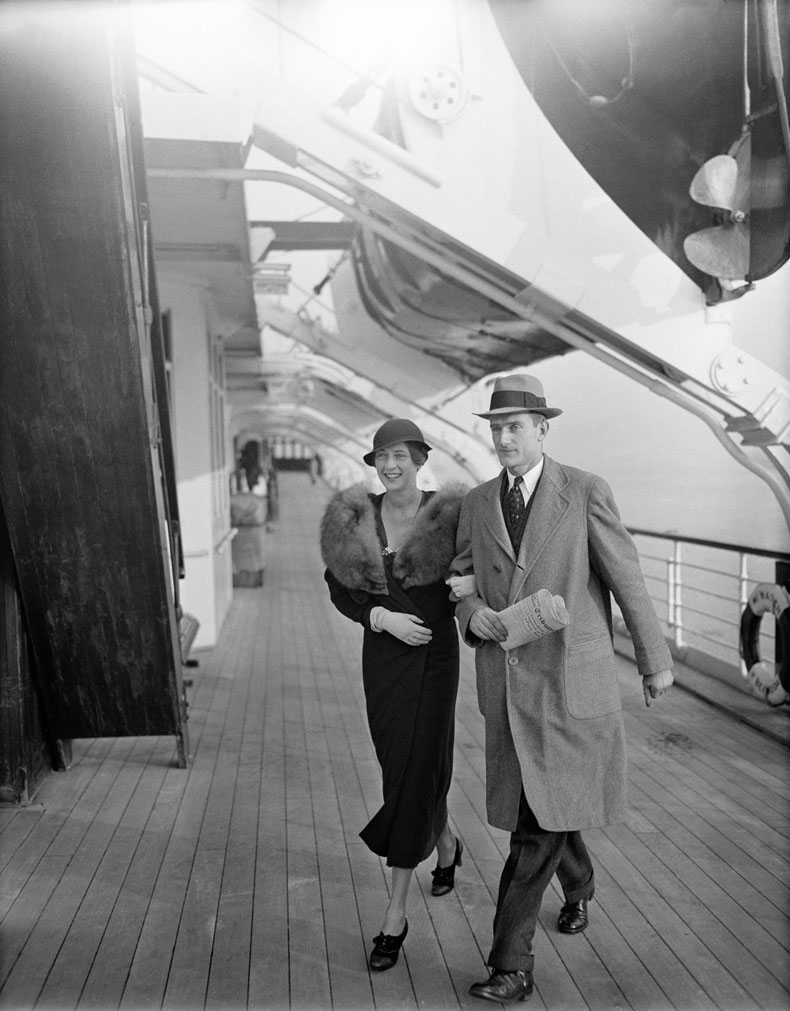
Bolstered by the growing economic prominence of the continent, Asian politics and culture undoubtedly have a greater global influence than they did in 1956, but the leadership of the Asia Society believes that its role in cultivating cultural connections remains essential. ‘It is true that Asian culture in terms of consumption of food, of film, of fashion, is more present in the Euro-American world than before,’ says Vishakha N. Desai, president emeritus of the Asia Society, who led the organisation from 2004 to 2012. (Her late husband, China scholar Robert B. Oxnam, served as its president from 1981 to 1992.) ‘The presence of Asians in the Western world, both as immigrants and as tourists, is very evident, and all major policy think tanks have strong Asian expertise. But I would argue that the understanding of Asian cultures in the Euro-American world is still rather superficial. Study of Asian cultures in universities, travel of Westerners to Asia, is still minuscule compared to parts of Europe and North America.’
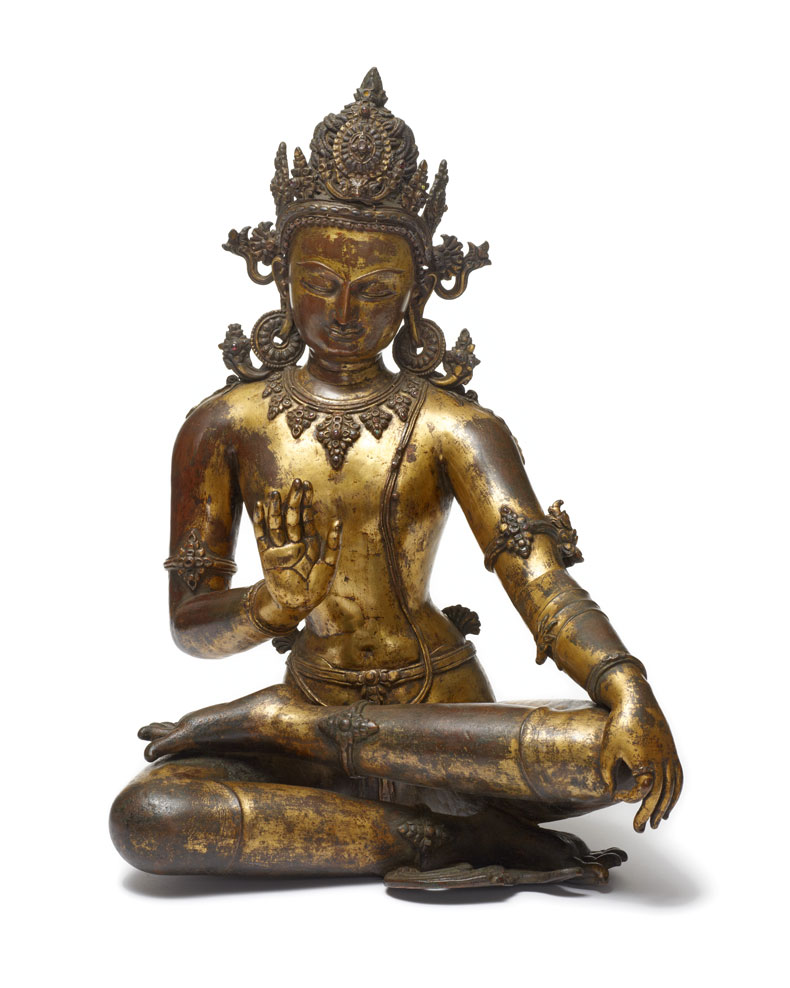
At the heart of these efforts is the art collection that Rockefeller assembled with his wife, Blanchette Ferry Hooker Rockefeller (1909–92). It is the basis for many of the Asia Society’s exhibitions, including ‘Buddha and Shiva, Lotus and Dragon: Celebrating 70 Years of Asia Society and the Rockefeller Legacy’, which opens in New York next month (18 March–3 January 2027). Timed to mark the society’s 70th anniversary, it features 70 objects from the permanent collection. These highlight the role of faith and trade in visual expression through an installation of Buddhist and Hindu sculptures alongside ceramics and metalwork from China, Korea and Japan. The exhibition is one aspect of the Asia Society’s commemorations this year, which will also include talks on current affairs, performances, a film programme and a 70th-anniversary celebration in June.
‘In the context of other museums in New York City, we’re not the largest in terms of collection, but I do love the nimbleness, the agility of the institution,’ says Xiaohan Du, assistant curator of pre-modern Asian art. ‘It allows a dynamic conversation between past and present.’
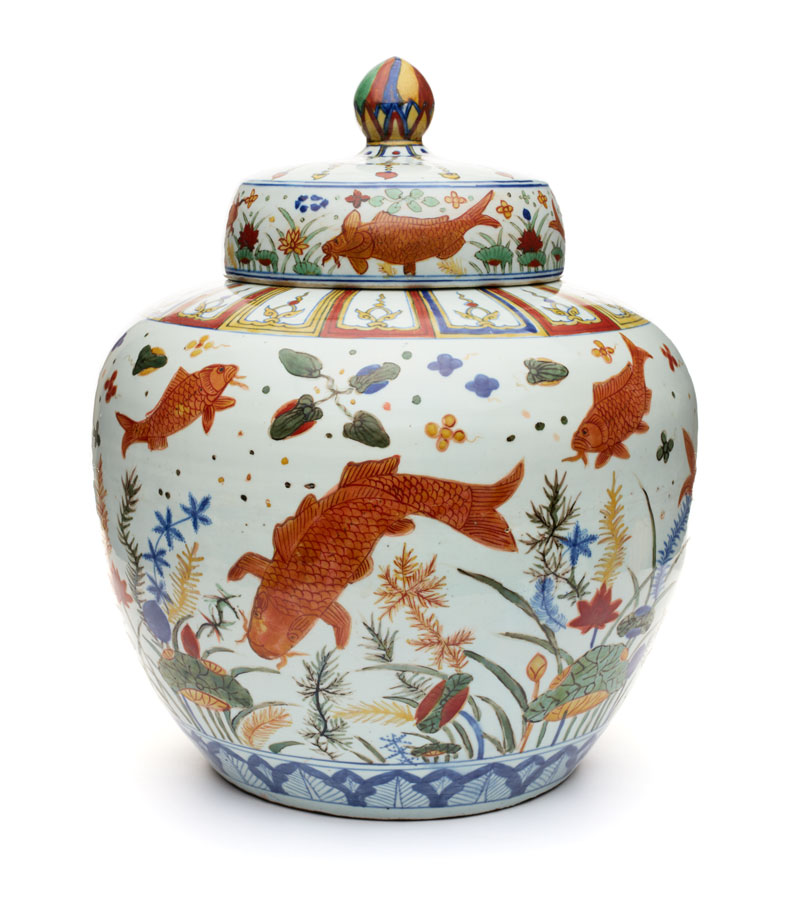
Although not comparable in size to institutions such as the Metropolitan Museum of Art, its neighbour on the Upper East Side, the collection is recognised for the exceptional quality of its pieces. It also reflects the Rockefellers’ tastes, as they preferred works that were not just refined but that were at a modest enough scale to be displayed in their home. Sculptures, ceramics and metalwork far outnumber the paintings and prints they picked up on their extensive Asian travels. Many of the roughly 300 works were acquired with the guidance of Asian art scholar Sherman Lee, then the director of the Cleveland Museum of Art, who acted as their advisor from 1963–78.
In attempting to represent the diversity of art from Asia, rather than being comprehensive, the Rockefellers acquired what they considered masterworks of a genre or medium. These range from private devotional Hindu sculptures to elevated everyday objects, such as a 15th/16th century Vietnamese stoneware storage jar elegantly incised with a floral design. There are lavish religious sculptures and ornate vessels, such as a Ming dynasty flask from the early 15th century with a dragon vividly painted in cobalt blue.
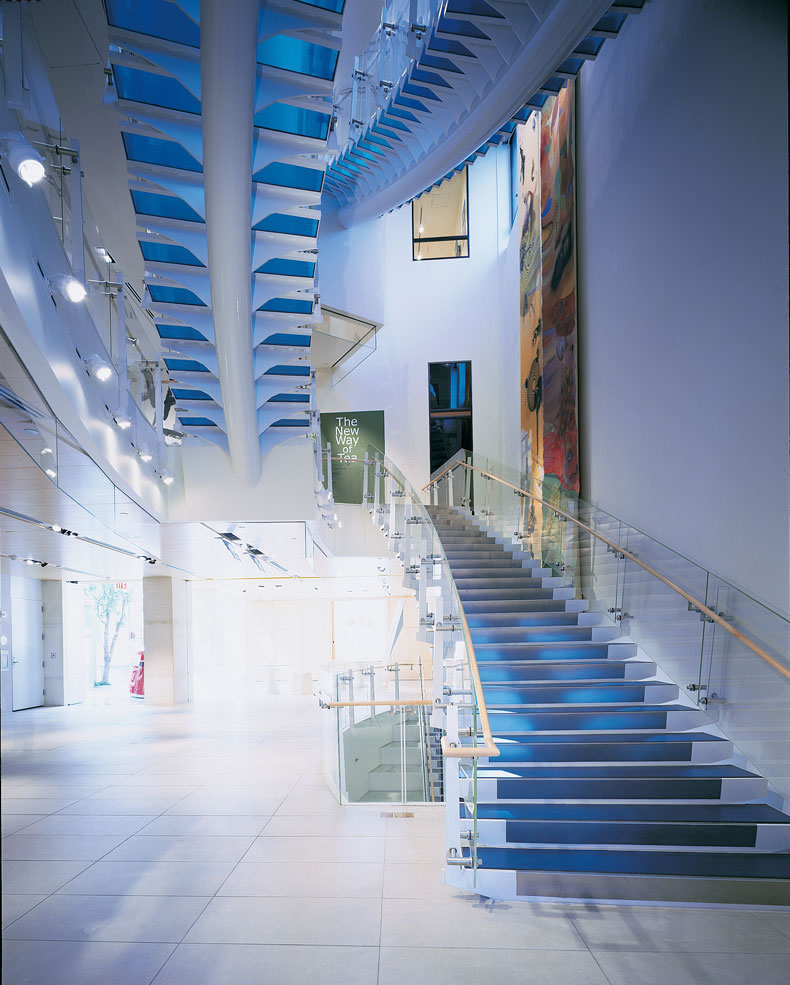
‘Buddha and Shiva, Lotus and Dragon’ is something of a homecoming for the works after a national tour of the show co-organised with the American Federation of Arts. It started at the New Orleans Museum of Art in 2020 and ended at the Cummer Museum of Art and Gardens in Jacksonville, Florida, in 2022. ‘John D. Rockefeller III saw the great educational potential when people encounter a great work of art,’ Du says. ‘You don’t have to know the language; it’s the exposure to new cultures through the lens of art that is so critical.’
Rockefeller first visited Asia as a recent Princeton graduate in 1929, touring Japan, Korea and China, but his passion for collecting wasn’t sparked until 1951, when he went to Japan as part of a peace treaty delegation led by John Foster Dulles. As the eldest son of John D. Rockefeller Jr. and Abby Aldrich Rockefeller, he was following in the footsteps of their philanthropy. They had used the family fortune to promote civic-minded projects such as Rockefeller Center, financed by John, and the Museum of Modern Art, co-founded by Abby. Before the Asia Society, he’d been involved in the Rockefeller Brothers Fund, which provided early support for the organisation.
In its early years the Asia Society was headquartered in what was known as Asia House, a seven-storey modernist glass and steel structure designed by Philip Johnson at 112 East 64th Street. (For several years, the building was shared with the Japan Society.) It held exhibitions from the beginning, with its first show there being ‘Masterpieces of Asian Art in American Collections’, which opened on 7 January 1960. Over the years, the exhibitions encompassed everything from Iranian ceramics to artefacts from the Kabul Museum. Yet there was no permanent collection until the Rockefellers decided to donate the works they had amassed, a decision announced in 1974.
In July 1978, John D. Rockefeller III died in a car accident. His collection became part of the Asia Society the next year. The promised gift also involved the funding for a new purpose-built home. Edward Larrabee Barnes designed the eight-storey headquarters at the corner of Park Avenue and East 70th Street. Containing a museum, auditorium, offices and a conference venue, the red granite-clad building opened in 1981, coinciding with the Society’s 25th anniversary.
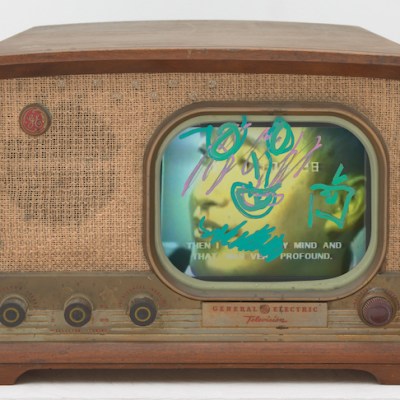
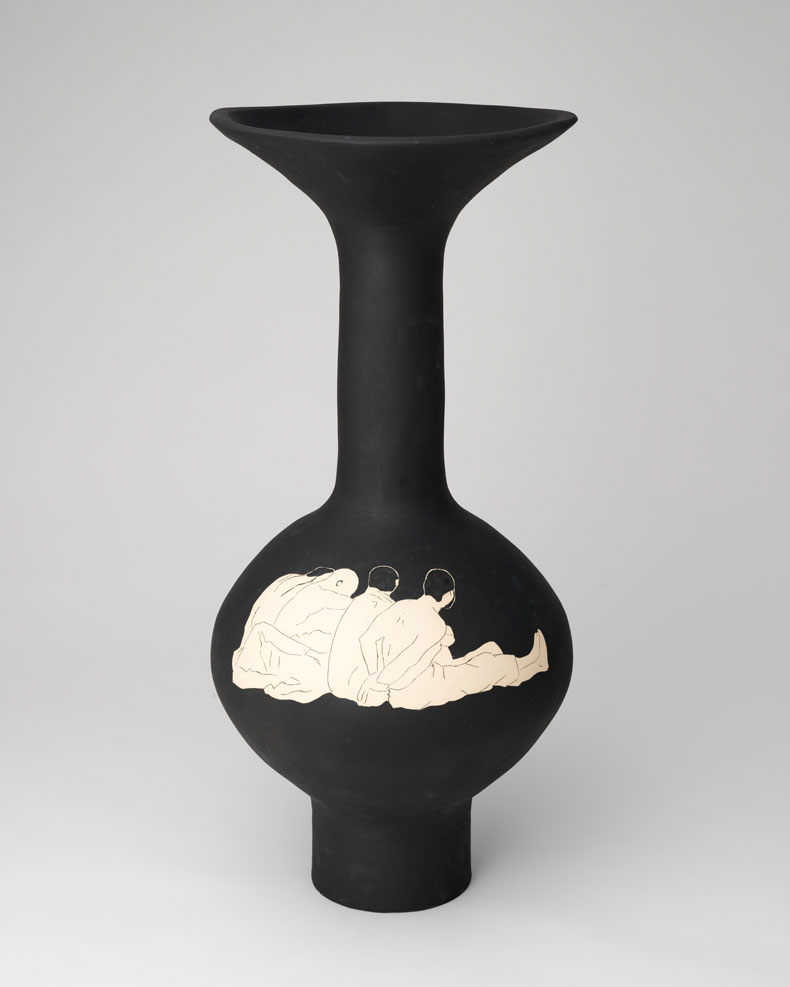
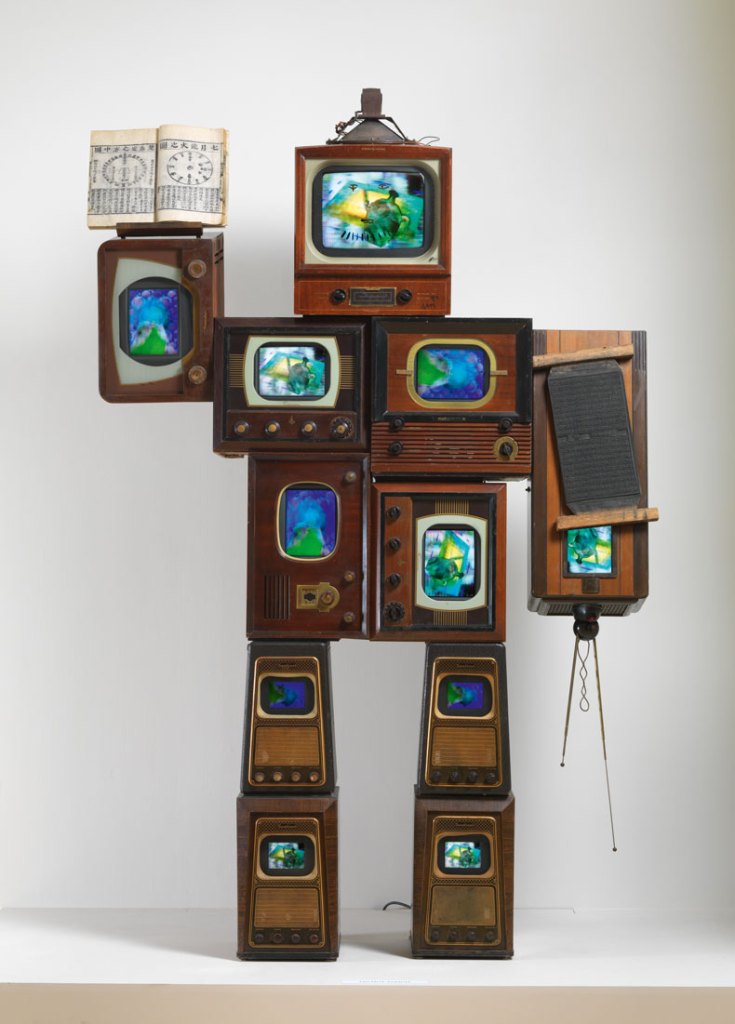
Although the Asia Society’s holdings remain deliberately small, it has had thoughtful additions. Alongside the larger anniversary exhibition, the New York museum is hosting displays of recent gifts from the Rockefellers’ daughters Hope Aldrich and Sandra Ferry Rockefeller, and works donated by Blanchette Ferry Hooker Rockefeller, who was on the Asia Society’s Gallery Advisory Committee and stayed active in the organisation after her husband’s death. The museum began collecting contemporary works in 2007, with this programme including an endowment for acquisitions and their conservation. It now has more than 100 pieces of contemporary Asian and Asian American art in a wide range of media, from a sculpture formed from antique TV and radio cabinets and a printing block by Nam June Paik to a digital animation by teamLab.
‘Asia Society was the first institution in the US to develop a consistent programme of contemporary Asian art exhibitions that travelled the country and the world,’ Desai says. ‘It is also the first institution to have established an endowed position for a curator of contemporary Asian art and a select collection of contemporary video art by Asian and Asian American artists.’
The Rockefellers’ collection has also inspired works by contemporary artists. In the ‘(Re)Generations’ exhibition, which ran from last March until the beginning of January this year in New York, the artists Rina Banerjee, Byron Kim and Howardena Pindell responded to pre-modern works from the permanent collection. Kim, for instance, painted a piece on-site while looking at a Korean celadon vase.
The Asia Society is now undergoing a leadership transition with the departure of its museum director, Yasufumi Nakamori, leaving a vacancy to be filled. At the end of March, Kevin Rudd, a former Australian prime minister and Australian ambassador to the United States, will return to take up the role of president and CEO, which he has held before, in 2021–23. To highlight the organisation’s proximity to power, he takes over from Kyung-wha Kang, who was in September appointed South Korea’s ambassador to the United States.
‘John D. Rockefeller III envisioned an interdisciplinary organisation in which arts and culture, policy and education reinforce one another, and that’s a vision to which we stay true,’ says Debra Eisenman, executive vice president and chief operating officer. Seven decades ago, that meant encouraging Americans to be more active in appreciating the depth and diversity of Asia. Now the Western gaze is decentred. The Asia Society is instead looking at how people across the world, through the lens of Asia and the Asian diaspora, relate to each other. This focus can especially be seen in its arts programming. At its centre in Houston until 15 March, ‘The House of Pikachu: Art, Anime, and Pop Culture’ is examining the global reach of Japanese pop culture with work by artists in locales including Mexico, Brazil and Côte d’Ivoire. In Hong Kong, ‘Hung Hsien: Between Worlds,’ opening on 25 March, is a long overdue retrospective for 93-year-old Chinese-born American ink artist, who has been influenced by both traditional Chinese painting and Western abstraction. Each of these programmes expresses the Asia Society’s conviction that understanding the complexities of geopolitics must also take into consideration the art and culture that are integral to the identity of any place and people.
‘Buddha and Shiva, Lotus and Dragon: Celebrating 70 Years of Asia Society and the Rockefeller Legacy’ is at the Asia Society, New York, from 18 March–3 January 2027.
From the February 2026 issue of Apollo. Preview and subscribe here.