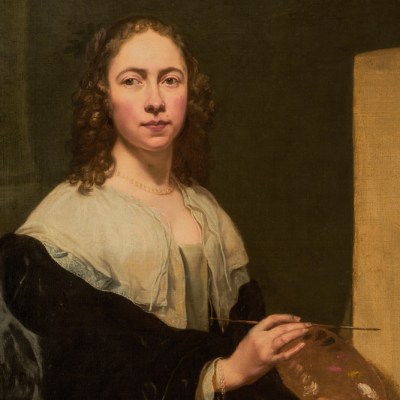
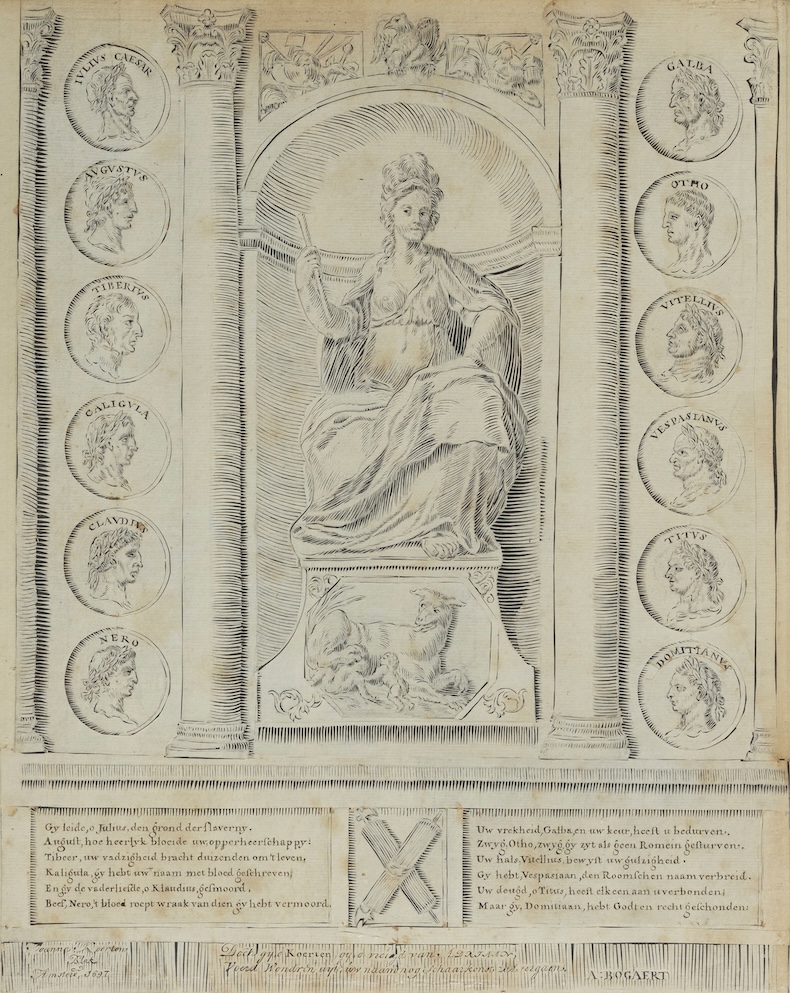
Three centuries after her death, what do we know of Johanna Koerten? Almost nothing, is the answer. Yet in her heyday, the Dutch artist’s woven silk ‘thread paintings’ and paper cuttings sold for sums more than double those Rembrandt van Rijn was pocketing for a portrait. Her fame was such that Tsar Peter the Great and Cosimo de Medici III visited her Amsterdam home.
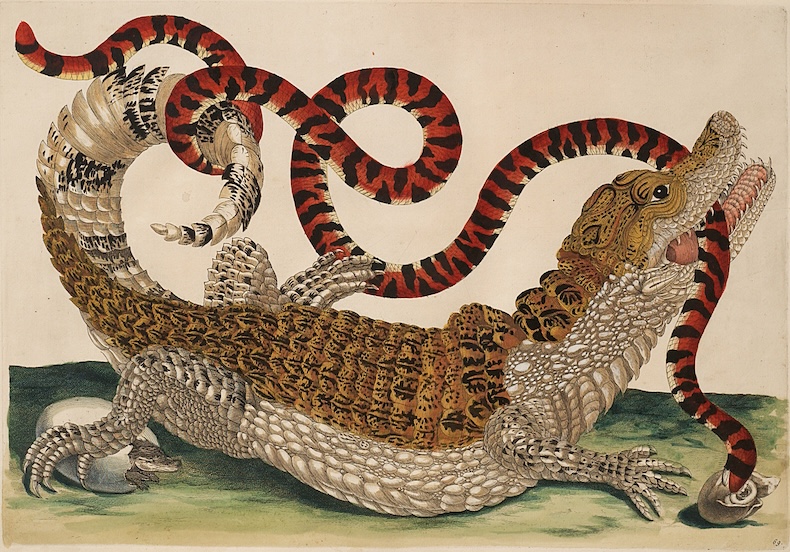
The same goes for Susanna van Steenwijk, who learned the art of architectural painting from her husband Hendrick, and after he died ‘earned so much [from her art] that [her family] could support themselves well and honestly’, a contemporaneous biographer noted. And Maria Sibylla Merian, a botanical artist who at the age of 52 sailed with her teenage daughter to the tropical interior of Dutch Suriname in South America. Her pristine, vividly coloured drawings of its insect and plant life caught the eyes of the naturalist and collector Hans Sloane and George III of England, who purchased Merian’s masterwork, Metamorphosis Insectorum Surinamensium (1705) for the Royal Collection.
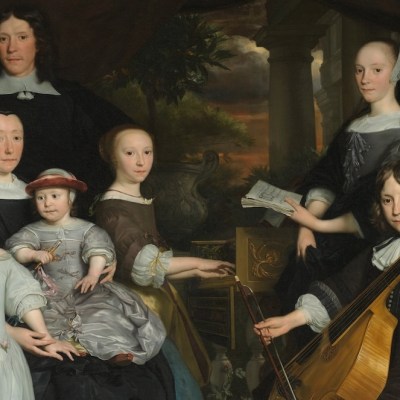
I would happily go on but we’d be here all day, since there are at least 40 such women in the exhibition ‘Unforgettable’, which opened recently at the Museum of Fine Arts Ghent (MSK). A retelling of visual culture in the Low Countries during the long 17th century, it foregrounds the true and instrumental role that women artists played in the then flourishing artistic economy, proving above all that, contrary to modern-day belief, in their own time these women were neither rare, nor underappreciated, nor toiling away in obscurity.
Indeed, the women who created, sold, exchanged and collected the 140 or so objects on display here – paintings, sculptures, paper cuttings, painted furniture, engraved glass and other decorative objects – were aware of their talent, integrated within established networks, received instruction from professional artists, were members of artist’s guilds, responsive to the era’s shifting tastes and even innovating and influencing within their chosen genres.
‘Unforgettable’ has been organised in collaboration with the National Museum of Women in the Arts (NMWA) in Washington, D.C., where the exhibition was on display last year in a different form and with some variance in the works. It is arranged thematically and according to categories that evoke the structures of the world the women were required to navigate (‘social expectations’, ‘tradition and ambition’ and so on) and some of them reappear as their stories suit.
A handful of the names on the wall will be familiar, having been given major monographic shows in the last decade – Michaelina Wautier, for example (currently at the Royal Academy of Arts and last year at the Kunsthistorisches Museum in Vienna); also Clara Peeters (at the Prado in 2016–17) and Rachel Ruysch (at the museum of Fine Arts Boston in 2025) – but the majority have nothing like that status yet, and a large number were entirely new to me. The steady flow of them starts to feel a little crushing a few rooms in. Ditto the list of 200 women dealers and artists which is the frontispiece to the show’s excellent catalogue.
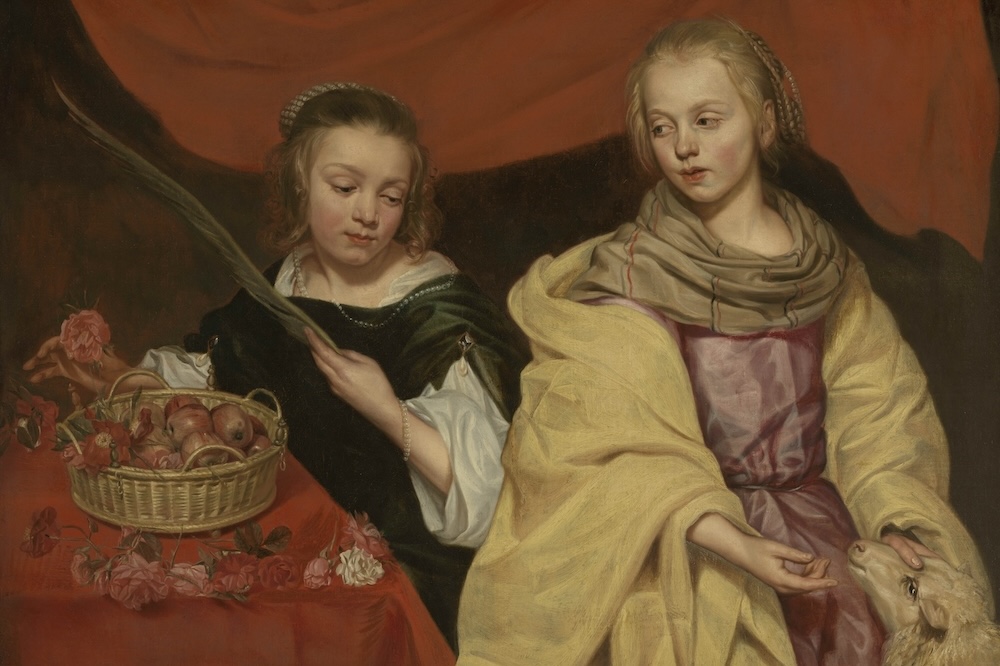
Still, the beauty of this exhibition is its resolutely upbeat tenor: under the careful aegis of the curators (Federica Van Dam at MSK and Virgina Treanor and Katie Altizer at NMWA), the women come across as eager and canny players in the main; not exactly masters of their circumstances but definitely not the sorry victims of them either, except perhaps the lacemakers, who tended to be from the lower classes of society and whose names were not recorded, so their fundamental contribution to the booming artistic economy of the Low Countries in that era has been lost. When you think that their delicately patterned and scalloped handiwork is the most recognisable and sublimely beautiful feature of 17th-century portraiture, the omission feels lamentable. A set of collar or shawl and cuffs was a sitter’s primary means of signalling their status and would have set them back infinitely more than the actual painting.
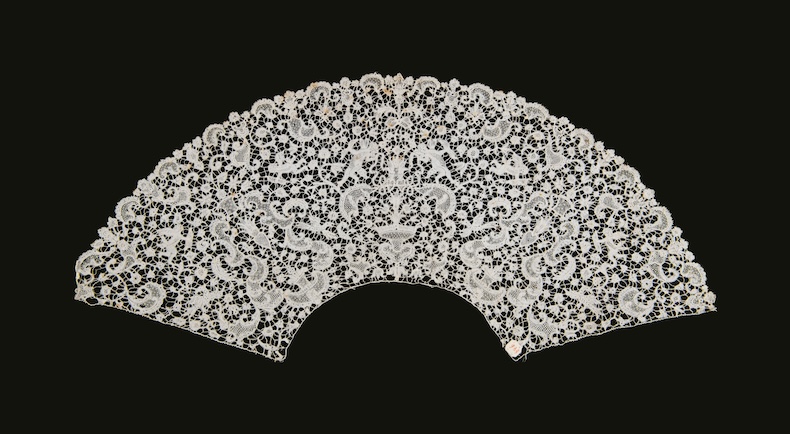
There are lace pieces dotted throughout the exhibition, including an apron, a veil and a marriage fan, and always with equal billing. In pitting them against the types of object more usually associated with artistic endeavour (paintings, sculpture, drawings) the curators subtly dismiss the creaky old division between the fine and decorative arts that was introduced by mutton-chopped Victorians and efficiently eliminated the disciplines in which women tended to excel.
‘Unforgettable’ is a redress, then, and so vividly done that it stirs with the artists’ presence. We don’t emerge knowing them fully, and not every work is brilliant (one or two seem to be here only for the sake of comprehensiveness) but the whole is so richly textured and the thought of these capable, content women so absorbing, that such slight imbalances fade ultimately into insignificance.
‘Unforgettable: Women Artists from Antwerp to Amsterdam, 1600–1750’ is at MSK Ghent until 31 May.