From the April 2026 issue of Apollo.
Former slaughterhouses make for excellent exhibition venues. These post-industrial spaces, with their high ceilings and large volumes designed for the dispatch of hundreds of animals a day, are the ideal size for installations and monumental artworks. Across Europe, disused abattoirs have been adapted for cultural use, from Les Abattoirs in Toulouse to the Matadero in Madrid or the new Plato Contemporary Art Gallery in Ostrava in the Czech Republic. Rome is the latest city to catch on as it converts its huge Mattatoio complex into a cultural centre, with a new museum dedicated to photography at its heart.
The slaughterhouse complex is made up of several pavilions laid out symmetrically, each built out of beige brick, the corners capped with pocked white limestone blocks. Evocative, even poetic names – for those unfamiliar with Italian butchering vocabulary, at least – are written in elegant black capitals above the entrances: the Vitellara (veal room), the Tripperia (where tripe was prepared) and La Pelanda dei Suini (where pigs were skinned and processed), which now constitutes a multi-functional art and performance space. The Centro della Fotografia is located in the former macello, a 1,500sqm hall where the animals were butchered.
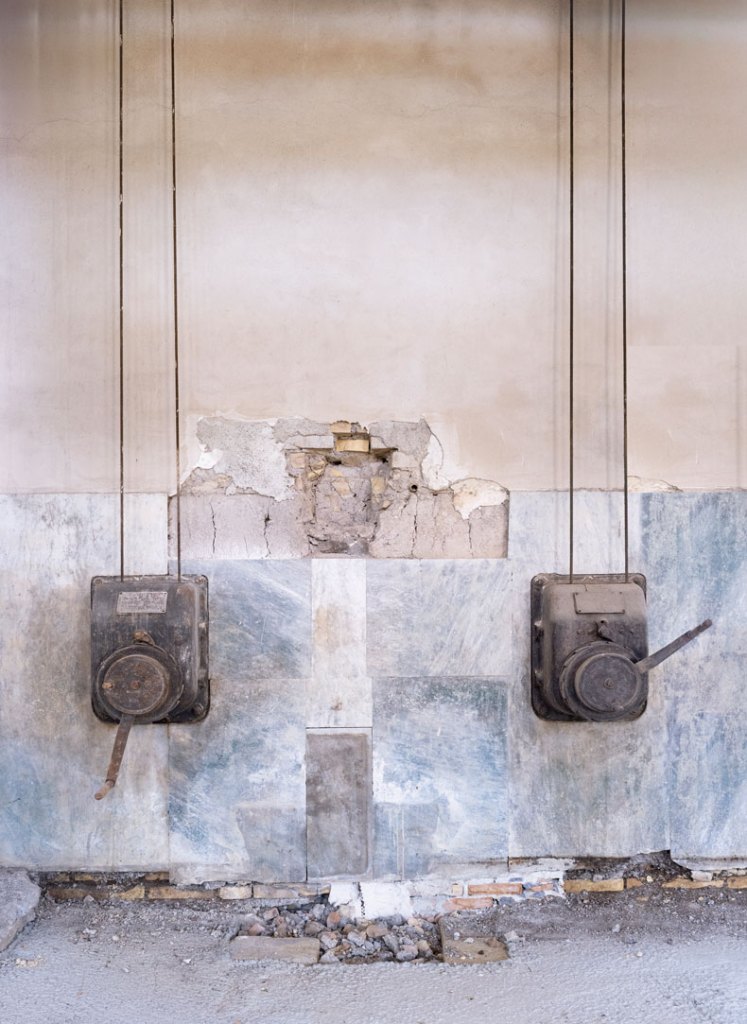
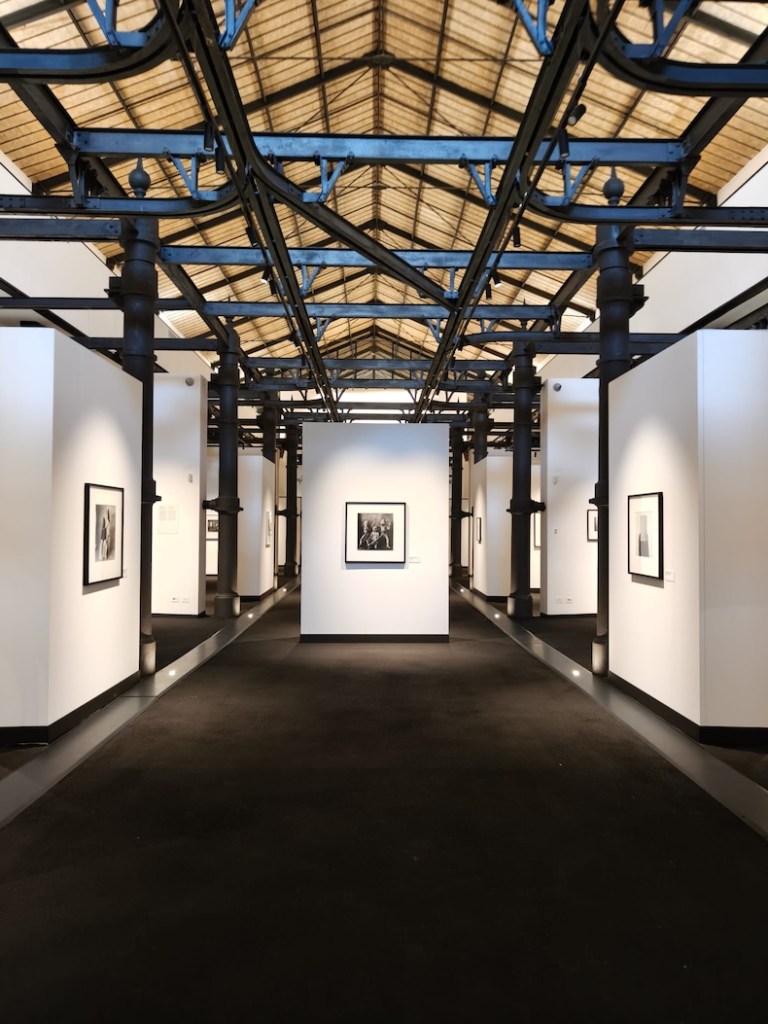
The skeleton of the building is intact and certain elements of its industrial past are still visible: a pulley system with its box and crank in the corner, old pipework and black metal girders curving across the ceiling like a miniature railway above visitors’ heads. Everything else feels very modern. Umberto Marroni, director of the Fondazione Mattatoio, the organisation managing the slaughterhouse’s conversion, tells me that the design ‘has only three colours: white, anthracite, which is the grey of the cast-iron elements, and an ochre colour, which can be seen in the parquet flooring and the underside of the roof’. Display walls that can be moved and the lighting design allow for complete flexibility when it comes to exhibition planning.
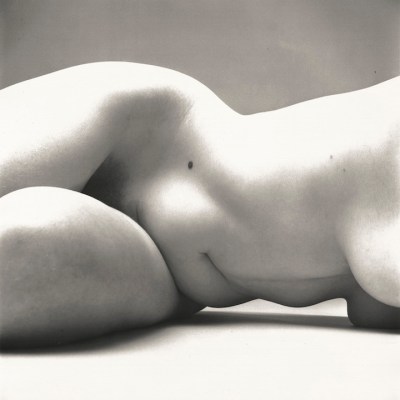
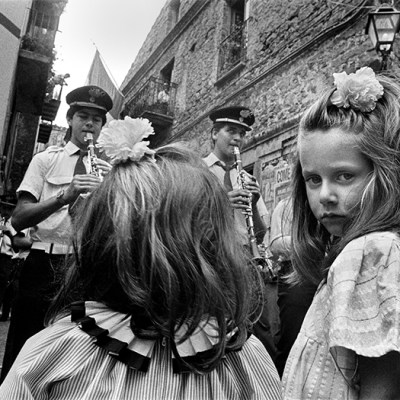
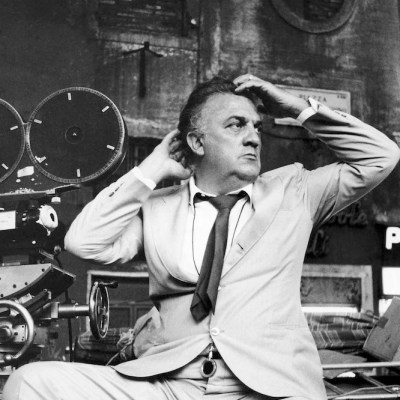
The photography museum opened on 29 January. The main hall and one part of the upper floor has been given over to an exhibition of works by Irving Penn, with the bulk of the works drawn from the collections of the Maison Européenne de la Photographie (MEP) in Paris, and a smaller display of work by the contemporary Italian photographer Silvia Camporesi. The centre’s collaboration with MEP signals that it wants to be counted among other photography museum heavyweights in Europe.
Marroni tells me that the centre had more than 10,000 visitors in just three weeks. There’s clearly an appetite for it, so why did it take so long for Rome to get its first photography museum? ‘In Rome, antiquity is what is important – also in purely economic terms,’ Marroni says. ‘The city has to finance the maintenance of extensive ancient cultural heritage, so it has always been more difficult for contemporary art to establish itself here,’ he explains, adding that the city’s contemporary art museum, the MAXXI, opened in 2010, long after other European capitals first set up similar institutions.
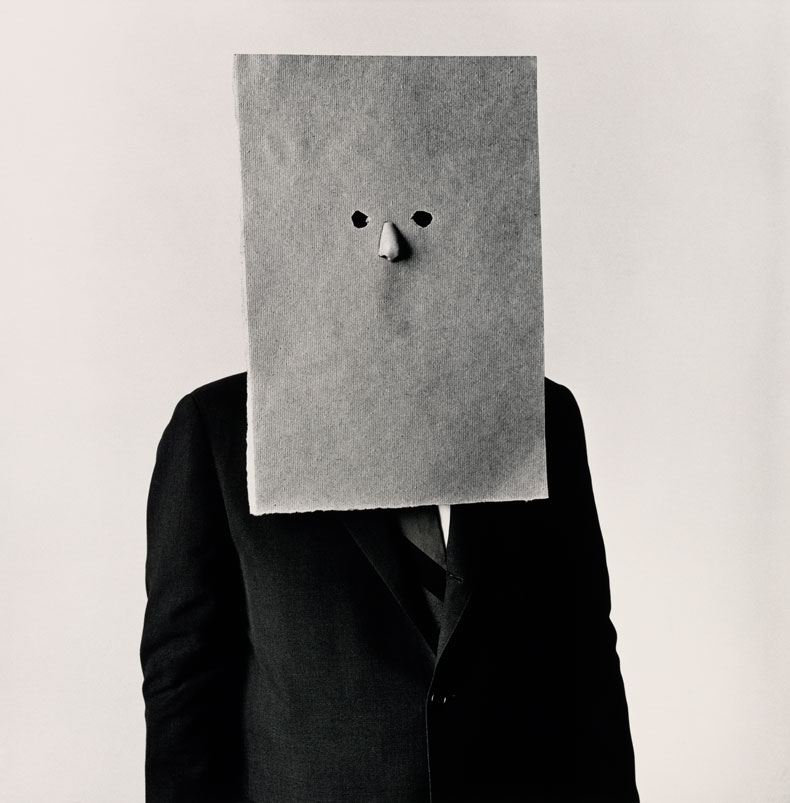
The Irving Penn show – the first dedicated to him in the city – presents a smattering of photos across the arc of his career, from black-and-white shots of the urban vernacular of the American South to ethnographic work in Peru and other places. Penn is a master of portraits and this show contains a generous selection. Penn said, ‘I can get obsessed by anything if I look at it long enough,’ and it is hard not to become obsessed in turn by a portrait of the playwright John Osborne and his hunched back, the way his neck melts into the background, or the many fashion photographs of the model Lisa Fonssagrives, sculptural in a black gown that hews her silhouette into a diamond, or draped in a Balenciaga coat as she arches her eyebrows in amusement.
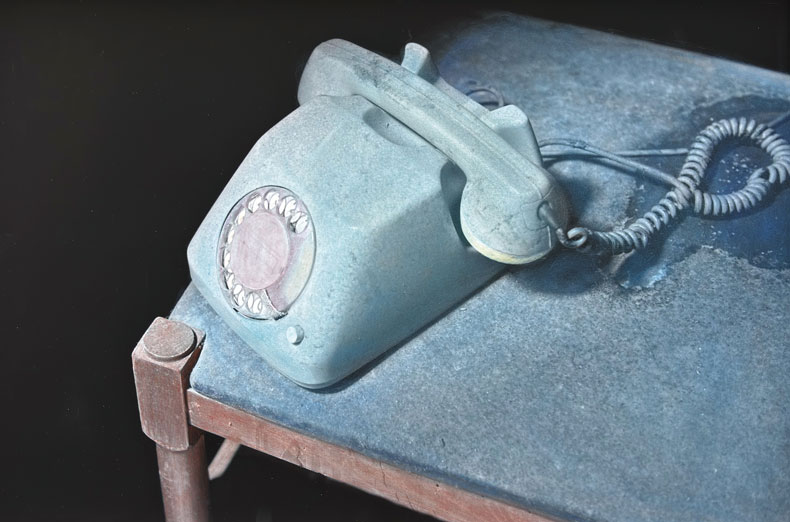
Upstairs, a room dedicated to Penn’s still lifes leads into the Silvia Camporesi exhibition, ‘The Right Time and Place’, which opens with photographs of the pavilion before its renovation. Camporesi has long been fascinated by both rural and urban landscapes that are a kind of no-man’s land: spaces that are decaying or abandoned, neither in use nor destroyed. The Mattatoio itself fits into this category. Most of the buildings in the complex were left abandoned for years after the slaughterhouse was decommissioned in 1975 and then used by the municipality as a storage depot. Bureaucracy and red tape have stunted its development ever since.
Much of the area is still a building site. From the upper floor of the Centro della Fotografia, through the windows casting cheese-shaped blocks of bright winter sun on to the wooden floor, you can see scaffolding draped across the pavilion opposite. Iron girders link this hall to the next, like a clunky exoskeleton laid over the whole complex. Some of the buildings are part of the architecture faculty of Roma Tre university, while others will open to the public as part of what city authorities are calling a ‘Città delle Arti’, a city-within-a-city of arts and culture. Rome has invested more than €90 million into the site – a large chunk of which comes from Covid-19 recovery funds from the European Union – with construction set to be completed in 2027.
This new city is being built piece by piece and there are questions about how it will fit into the local neighbourhood. On one side of the slaughterhouse is the trendy Testaccio market, where Roman street food has rapidly brought the area onto TikTok algorithms and tourist itineraries and, on the other side, the Città dell’Altra Economia, a bohemian community space with an organic cafe that hosts events and farmer’s markets. When I was there in February, a Mercatino delle Streghe – literally, a witchy street market – had set up on the car park just outside the slaughterhouse, with stalls selling gemstones, incense and moon-shaped jewellery. A woman sat on a plastic chair, eyes closed and face turned to the sun, as a man offering ‘energy treatment’ moved his palms slowly over the outline of her body from half a metre away. Groups of students sitting on Monobloc chairs smoked rolled-up cigarettes and played cards, while young parents drinking bottled beer watched their children race around them on scooters. Testaccio is leagues behind its neighbour Trastevere in terms of touristification, but there are fears that this new arts hub will accelerate the gentrification that has already begun.
The president of the Fondazione Mattatoio, Manuela Veronelli, reassures me that there will continue to be free exhibitions and activities for locals, alongside museums with an entry fee like the Centro della Fotografia. ‘The slaughterhouse is certainly a symbolic place for residents,’ she says, acknowledging that a balance has to be found between providing culture for the community and creating a viable business. But, as has happened elsewhere in the city, the siren song of making money from tourists may prove too difficult to resist.
‘Irving Penn: Photographs 1939–2007’ and ‘Silvia Camporesi: The Right Time and Place’ are both at the Centro della Fotografia, Rome, until 29 June.
From the April 2026 issue of Apollo.