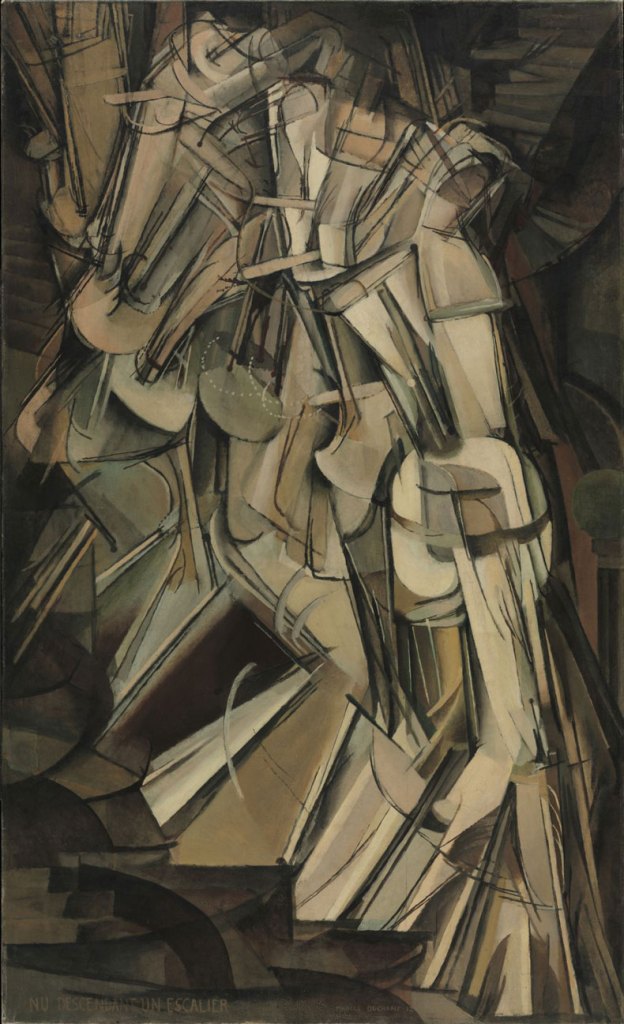
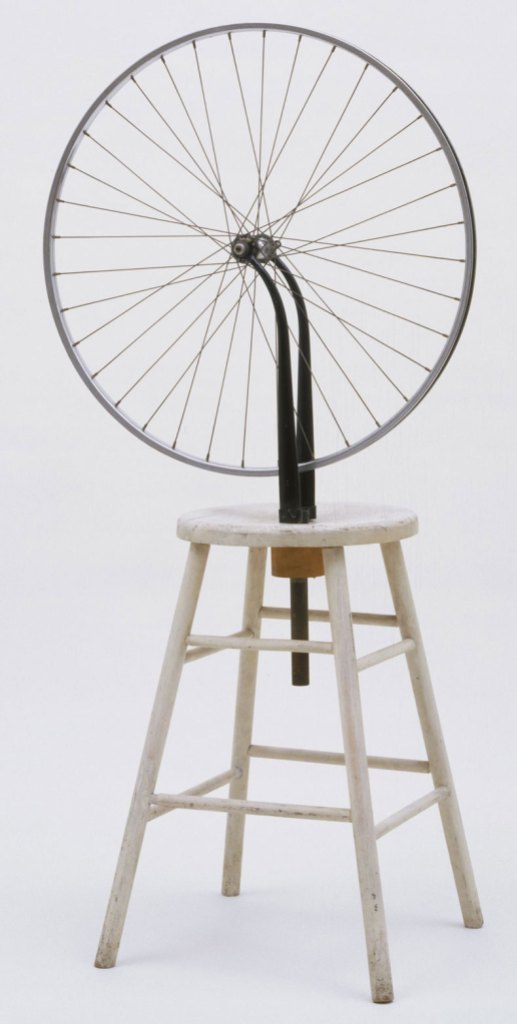
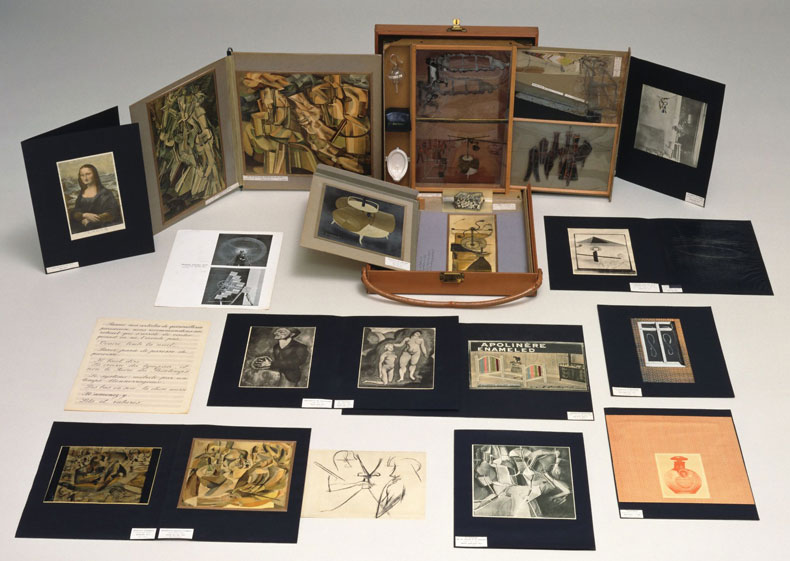
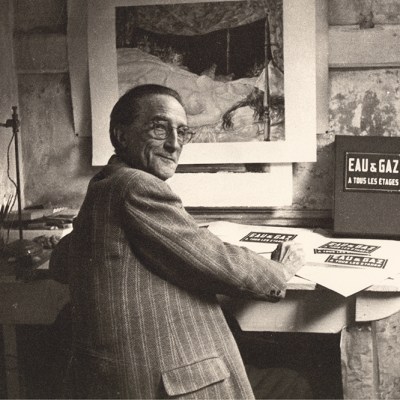
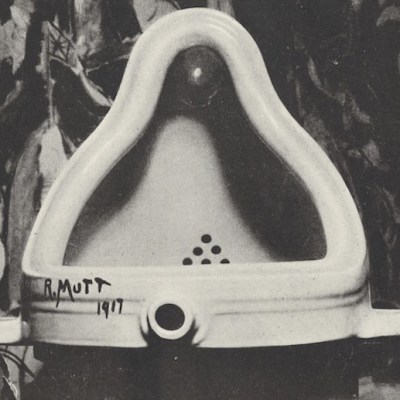
Art history might have looked very different if Marcel Duchamp hadn’t had a heart murmur. With this medical defect ruling him out of serving in the First World War, the artist – who, with Nude Descending a Staircase (No. 2) (1912), had already made a painting that even cubists found too avant-garde – was free to turn his wide-ranging mind to upending everyone’s idea of what art could be. In 1917, under the pseudonym Richard Mutt, the 29-year-old submitted an upturned urinal to the first annual exhibition of the Society of Independent Artists in New York, where he was the head of the hanging committee. When the board voted to reject the work, titled Fountain, it made headlines and turbocharged a career that is the focus of this major survey at MoMA, which brings together 300 paintings, drawings, sculptures, films, photographs and printed work – an ambitious survey befitting the ambition of its subject (12 April–22 August).
Find out more from MoMA’s website.
Preview below | View Apollo’s Art Diary