From the May 2026 issue of Apollo.
Change is in the air at Frieze New York. At the 15th edition of the fair, both the Focus strand – in which 11 galleries are presenting works by emerging artists – and the wider Galleries section are giving more prominence than ever to Central and South American art. But Frieze is also embedding itself in New York’s art scene: together with the Whitney Museum of American Art, the fair has co-commissioned a photographic installation by Jonathan González, and Dia Art Foundation will present video work by David Lamelas to coincide with a survey of the artist’s work at Dia Beacon.
‘What I think Frieze New York does especially well is bring together established voices and emerging practices in a way that feels rigorous, generous and current,’ Christine Messineo, director of the Americas at Frieze, tells Apollo. There are many individual highlights; Messineo points to ceramic figures by Akinsanya Kambon, presented by Ortuzar and Marc Selwyn, that give shape to histories of Black resistance. But it’s the energy of the fair as a whole – its international outlook, deepening relationships with institutions and awareness of what else is happening in the city – that seems increasingly to be its calling card.
Frieze New York takes place at the Shed from 13–17 May.
Apollo’s highlights
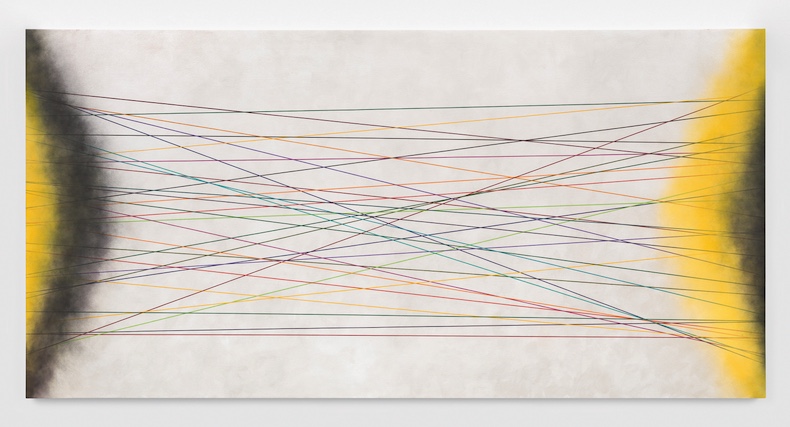
Quanta, 2021, Virginia Jaramillo. Hales Gallery, London
Jaramillo, whose art was included at a group show at LACMA as far back as 1959, has recently been the subject of renewed appreciation among museums in the United States. Hales presents acrylic paintings from the last six years that show how elegantly she weaves abstract or complex ideas such as quantum theory into formally simple paintings. Quanta, for instance, conveys a sense of the cosmic even as the dozens of colourful intersecting lines suggest the comforting familiarity of yarn.
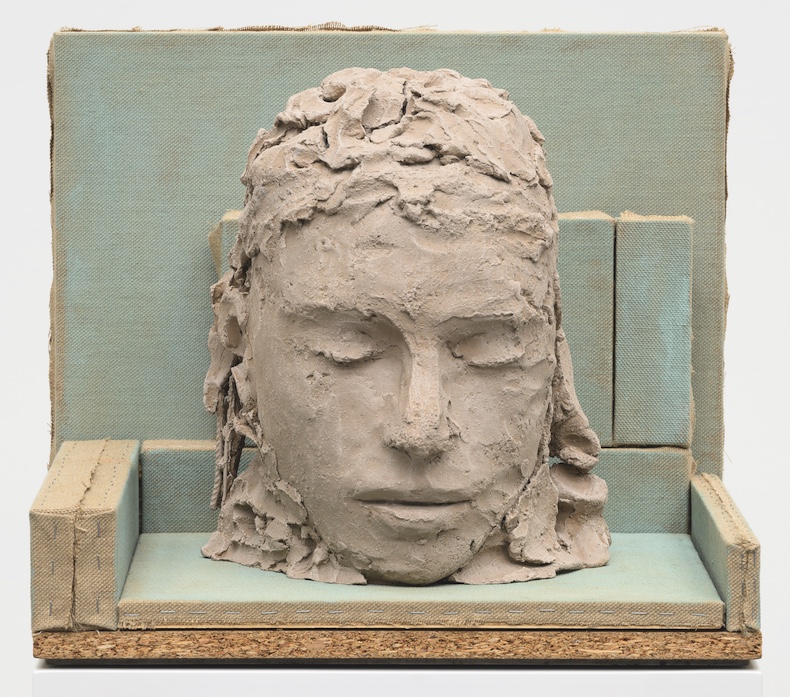
Fragmented Painting, 2022, Mark Manders. Tanya Bonakdar Gallery, New York
The large busts and heads for which Manders is best known are forged from bronze but seem to be made of peeling, cracking clay, perpetually on the verge of disintegration. Here, modestly sized works occupy curiously confined settings: in Fragmented Painting, for example, a woman’s head perches in apparent tranquillity on a low wooden sofa just large enough to accommodate it.
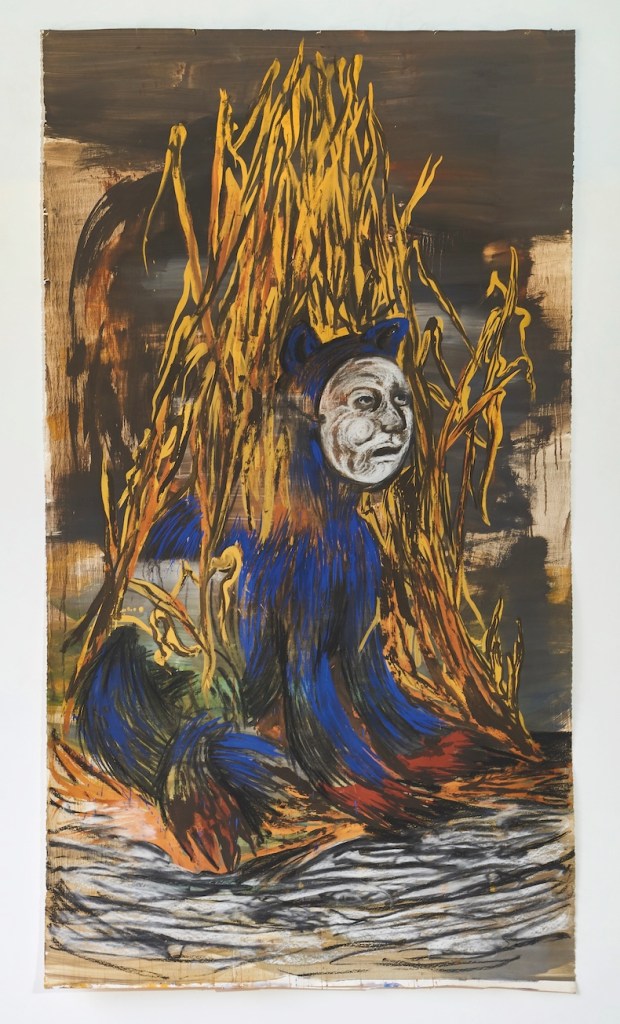
Nahual, 2025, Abraham González Pacheco. Campeche, Mexico City
In this mysterious, imposing drawing, the titular shapeshifter from Mesoamerican mythology is brought to rough-hewn life by González Pacheco’s imaginative use of cactus sap and salt.
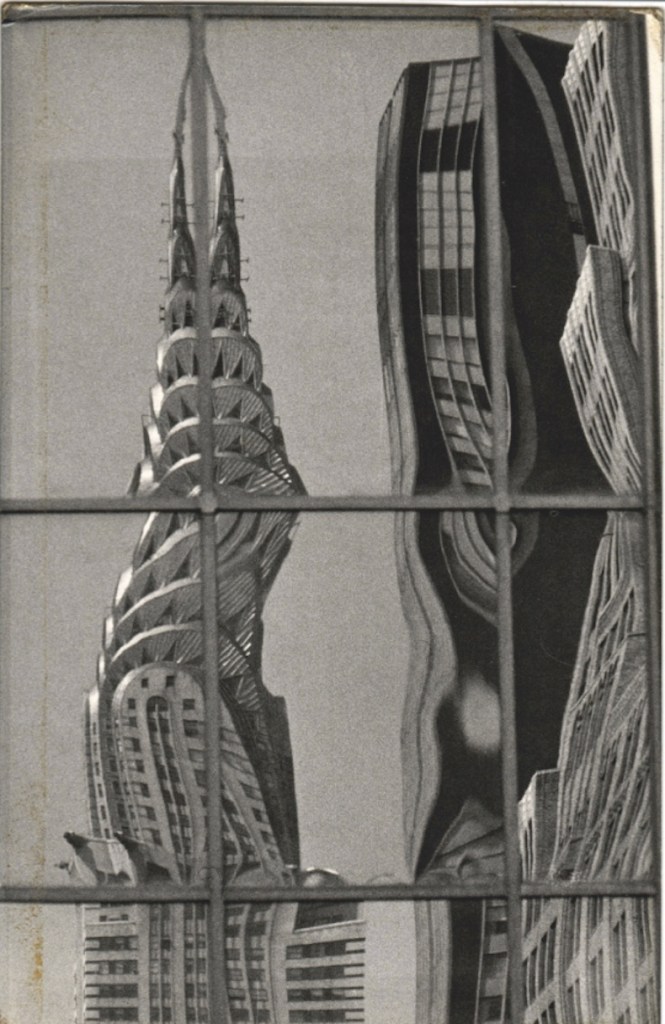
Photographs from the Phenomenological New York series, 1970s, Bettina Grossman. Ulrik, New York
Grossman had a knack for documenting the surfaces of the city – the play of light on buildings, the distorting power of glass – in photography and moving-image work. This display, in which New York is made to seem like one big scintillating piece of Op art, is full of energy and humour.
International gallery highlights
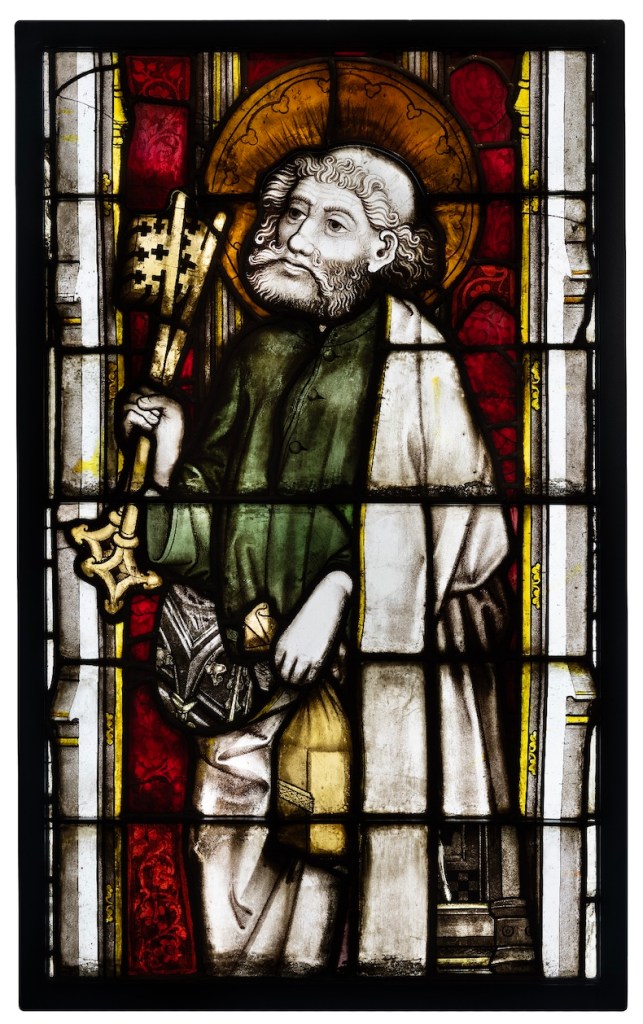
Art in the Service of Faith: Masterpieces from the Middle Ages
29 May–10 July
Sam Fogg, London
Between the 12th and 16th centuries, creative people across Europe – painters, sculptors, goldsmiths, glassworkers and manuscript illustrators – toiled in the hope that striving for artistic perfection would bring them closer to God. This exhibition brings together some 30 works in various mediums to give a sense of the variety, vividness and imagination of much medieval art.
Roni Horn: Seizure of Hope
21 May–1 August
Hauser & Wirth, London
Repetition and variation are at the heart of Horn’s work, which largely comprises photographic series, sculptural installations and works on paper – the latter being the focus of this show.
In 2019 the stand-up comedian Maria Bamford used a phrase that struck a chord with Horn: ‘I am paralysed with hope.’ At this exhibition the phrase appears many times on numerous sheets of paper, blurred as if by tears.
New York City Circa 1960: Works from the Collection of Robert A. Ellison, Jr
8 May–2 July
Schoelkopf Gallery, New York
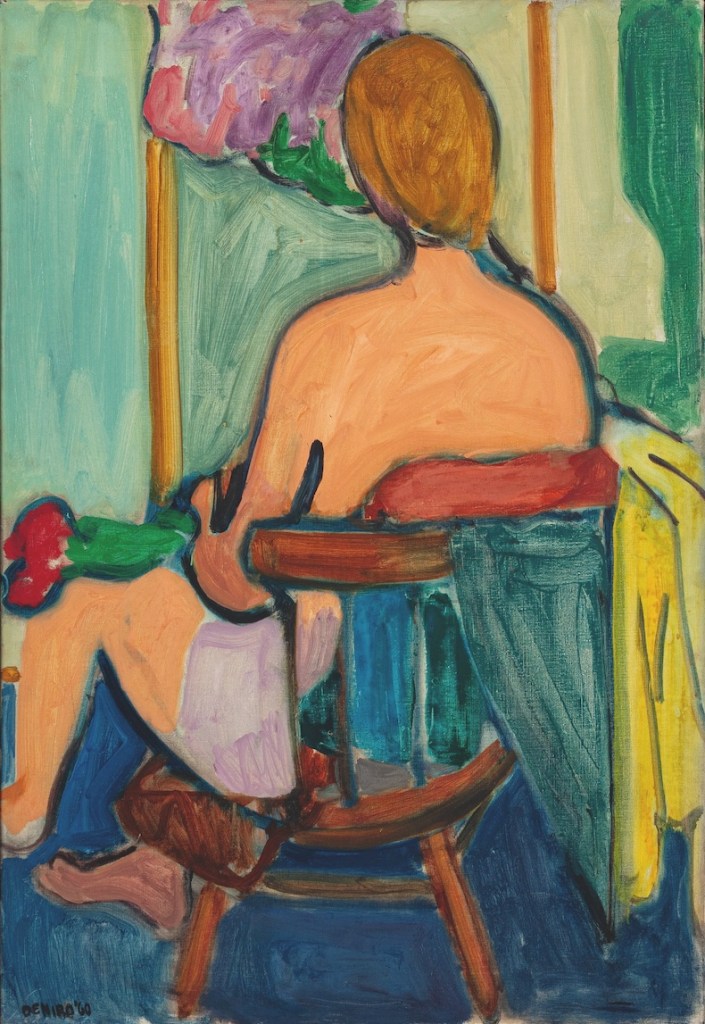
The artist and collector Robert Ellison (1932–2021) is best known for donating hundreds of 19th-century, modern and contemporary ceramics to the Met. But he was also a painter, and acquired numerous works by fellow New York artists including Elaine De Kooning, Milton Resnick, Bob Thompson and Robert De Niro, Sr (father of the well-known actor). This exhibition presents figurative and abstract work by these artists and others, created during a time of creative ferment in the East Village.
Helen Frankenthaler: The Moment and the Distance
30 April–2 July
Gagosian, New York
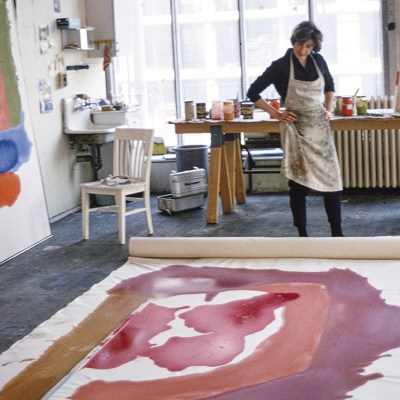
Some 20 of the artist’s largest paintings, made between 1960 and 1992, are presented here in chronological order, allowing us to see how her approach to colour, composition and technique evolved over the decades. As she moved from diluted oil paint to acrylic, and began increasingly to paint flat slabs of colour, she drew on diverse sources of inspiration: Auguste (1977), for instance, translates Renoir’s luminous works into rectilinear brushstrokes, while Shippan October (1981) captures the atmosphere outside her seaside studio in Connecticut.
Fairs in focus
Independent
14–17 May
Pier 36, New York
At the 17th edition of the fair, visitors are greeted by a blown-up photograph by Nikolas Ventourakis of an enormous pile of trash. It sets the tone for what follows, where dystopian themes – environmental decay, perpetual anxiety, post-truth society – are the order of the day. But it’s not all doom and gloom: nearly half of the 76 exhibitors are attending for the first time.
American Art Fair
16–19 May
Bohemian National Hall, New York
American art from the 18th to the mid 20th century – including Hudson River School landscapes, American Impressionism and post-war abstraction – is on display at this annual event, held as usual at the neo-Renaissance Bohemian National Hall on the Upper East Side. Eighteen gallerists are presenting work, and there is also a series of daily lectures led by art historians.
From the May 2026 issue of Apollo.