
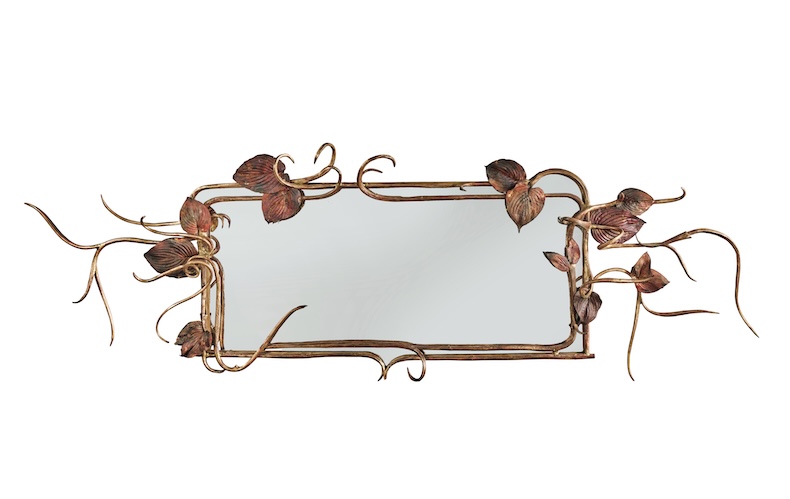
When a set of mirrors designed by Claude Lalanne sold at auction this week, the design and art worlds fell about in paroxysms of excitement. This was partly about price (art-world insiders love a financial success story) and partly about provenance. The mirrors were commissioned by Yves Saint Laurent for his apartment and made between 1974–85. In 2009, they sold at the Yves Saint Laurent sale for a mere €1.9m. On Wednesday they sold for $33.5m. Is that the sign of a market overheating?
Rakewell has never been good at predicting market movements. Your correspondent would have been surprised to know that a series of Lalanne epoxy stone and bronze sheep could set off a market explosion – if it hadn’t been witnessed by our own eyes when, in 2011, they flocked through Christie’s Rockefeller Center HQ and sold for $7.5m: more than eight times the high estimate.
Instead, Rakewell is in a more contemplative mood since mirrors, naturally, offer space for reflection. Amid the hype and excitement of this week’s sale came the extraordinary quote from art advisor Edith Dicconson, reported in the Art Newspaper: ‘Outside of Versailles, it is arguably the most important ensemble of mirrors ever conceived as a unified interior.’ That ‘arguably’ is doing quite a lot of work.
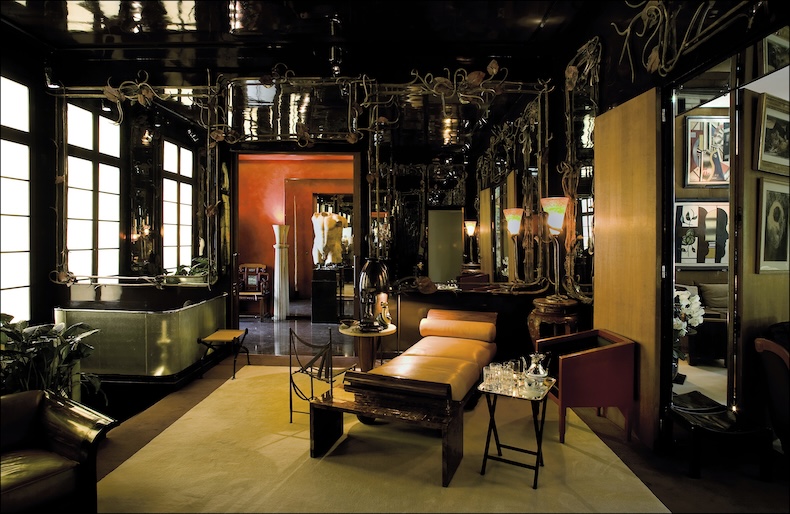
The auction has, however, put Rakewell in mind of some other magical mirror ensembles. While the reconstructed Amber Room in the Hermitage is best known for its namesake material, it would be nothing without the delicate use of mirrors to offer welcome breaks from the golden sap. Of course, mirrors from this period were eye-wateringly expensive to produce, and make the cost of the Lalanne mirrors seem like a trifle.
Consider the Mirror Cabinet in the Rosenborg Castle in Copenhagen, built in the 1680s. Rakewell will always admire anyone who decides to decorate a room with one of the most expensive substances known to man. Who could fault Christian V for wanting his own slice of Versailles fame? Though your correspondent might take umbrage with the decision to place a mirror on the floor, which surely would provide an unflattering view of anyone who entered.
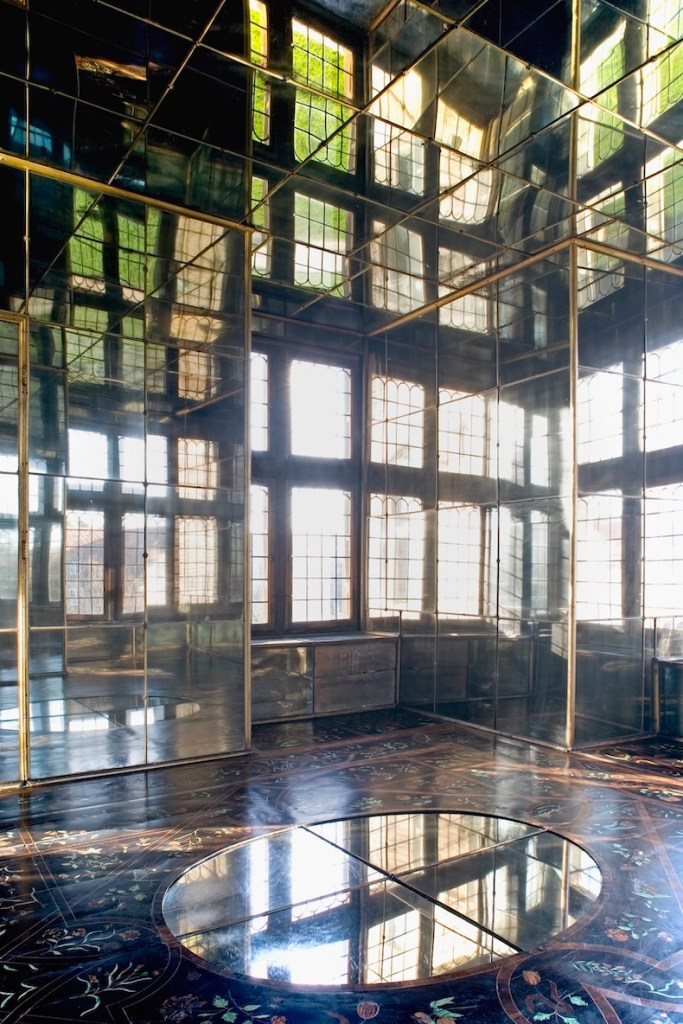
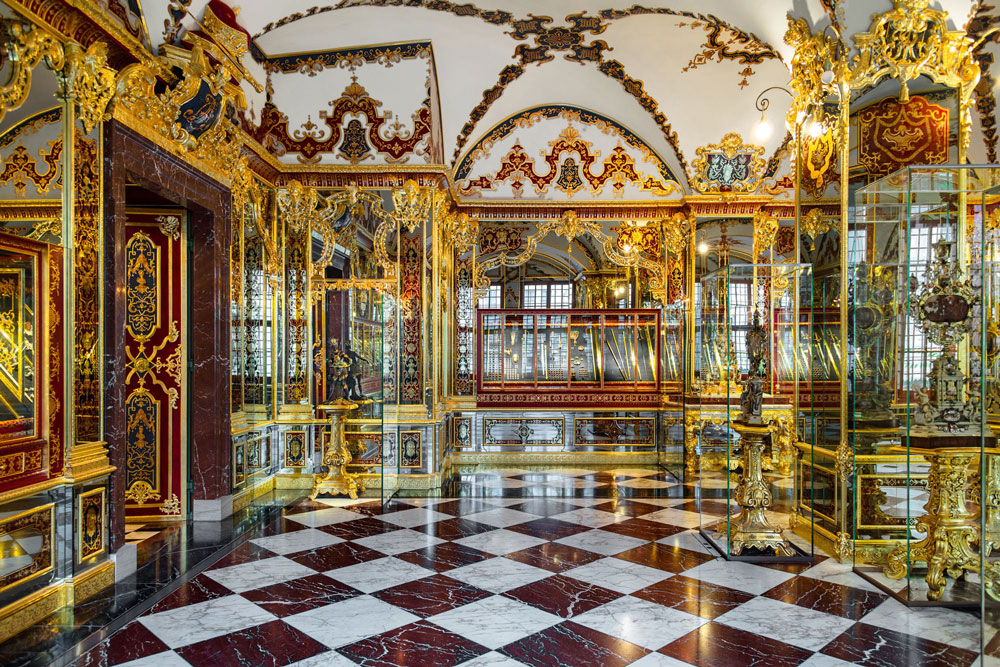
Another Francophile who spent much of his life trying to recreate the splendour he witnessed at Versailles was Elector of Saxony and King of Poland, Augustus the Strong, whose opulent Kunstkammer in Dresden’s Residenzschloss is full of mirrored rooms – all the better to see multiple angles of the opulent treasures produced by the king’s favourite craftsman, Johann Melchior Dinglinger.
Should the art critic be looking for more recent examples, they might consider the endless iterations of Yayoi Kusama’s infinitely popular Infinity Mirror Rooms (1965–present). As their omnipresence on Instagram shows, mirrors don’t have to be mere decoration. Instead they can be cause for contemplation of the self, life and even the Great Beyond. It’s not a particularly cheery thought, but it might be more important than the decorative qualities of some 1970s mirrors.