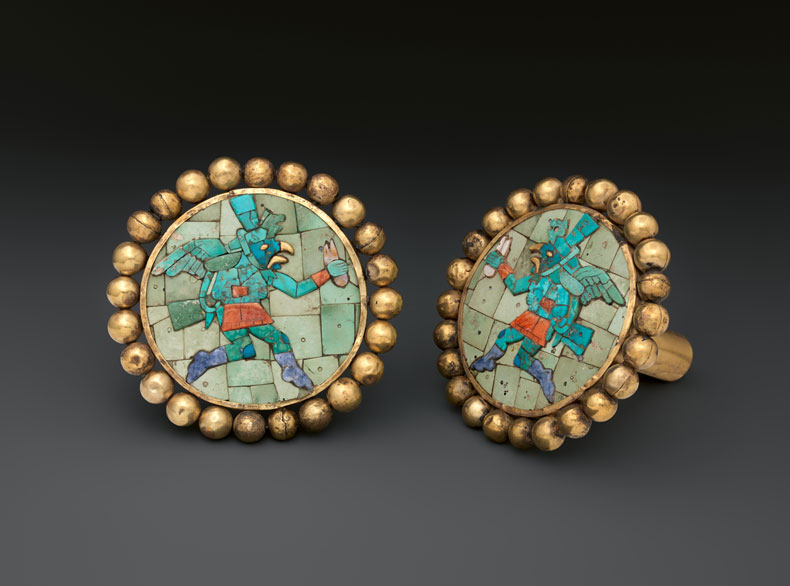
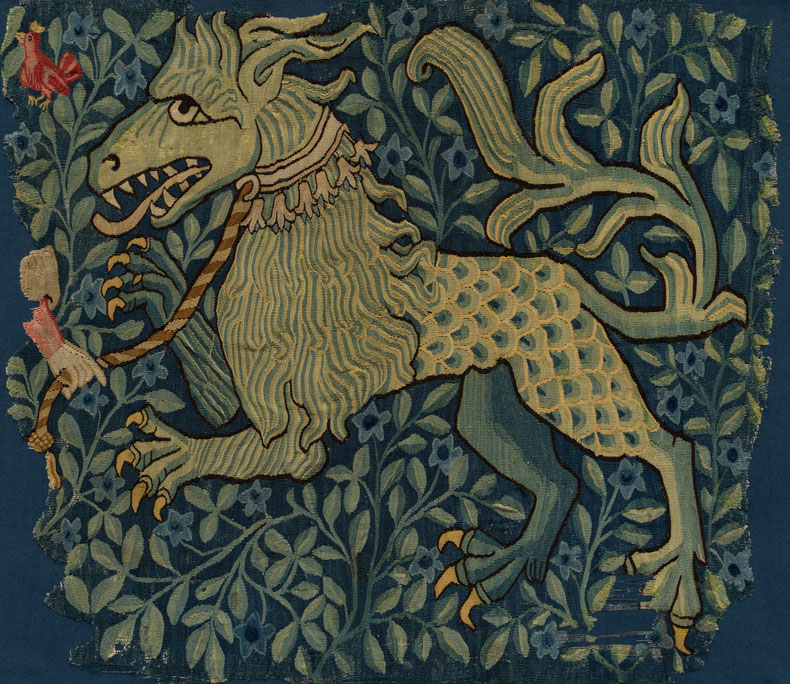
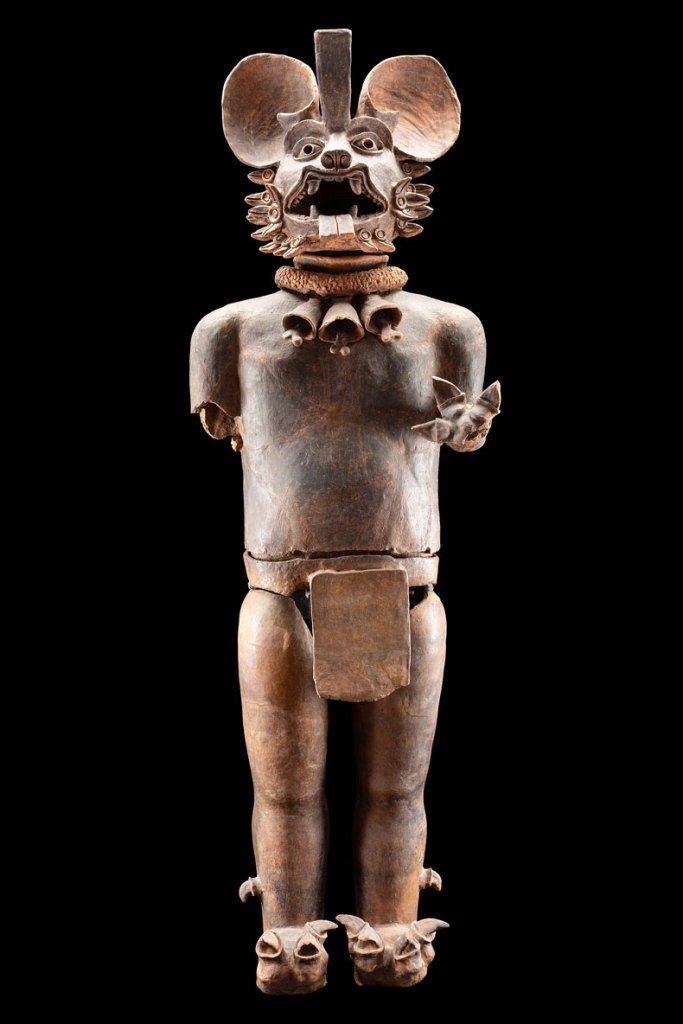
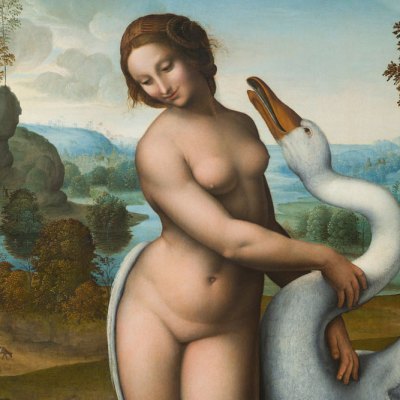
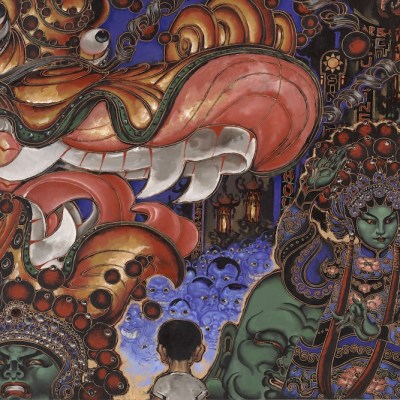
One thing common to many cultures around the world is the prevalence of chimeras and other magical beasts in art and mythology. Sometimes the same creature has played different roles depending on the culture: in Greek myth, for example, the Sphinx devoured those who failed to answer her riddle, whereas in ancient Egypt the creature was benevolent, and male rather than female. The Met Cloisters, the flagship museum’s more medievally minded outpost in Washington Heights, is putting on an exhibition of paintings, sculptures, ceramics, ivories, textiles and metalwork ranging from 500–1500 that explore the role of imaginary creatures in the everyday lives of people across Europe and the Americas (18 May–18 October). Highlights include a memorable sculpture of Tzinacantecuhtli, the Zapotec ‘bat lord’ – owned by the Museo del Templo Mayor in Mexico City – which is on display in New York for the first time.
Find out more from the Met’s website.
Preview below | View Apollo’s Art Diary