
Public votes in the UK, from Brexit to Boaty McBoatface, are risky business. But Rakewell was charmed this week by a new poll that even the most dastardly chaos-merchants surely cannot throw off course. The charity Butterfly Conservation has launched a public vote to determine the nation’s favourite butterfly.
Presumably to get young people on board, Butterfly Conservation has provided some jaunty materials on its website: a quiz to determine which butterfly you are most similar to, as well as a ‘meet the butterflies’ page, with pictures of the different candidates and a list of each species’ ‘top vibes’, from sporty to flashy, freaky to rare. The Peacock butterfly, in first place at time of writing, is feisty, flashy and tough, if anyone is interested.
That label of ‘flashy’ does hint at something that artists through the ages have always understood: butterflies are nature’s readymade works of art, from the neon-yellow and black webbing on the Swallowtail, Britain’s largest native butterfly, to the luscious azure of the Adonis Blue or the distinctive brown-patterned Chequered Skipper. (Perhaps it’s telling that in Butterfly Conservation’s poll, each candidate is accompanied not by a photograph but by drawing of the butterfly by illustrator Richard Lewington.) It’s not just artists but writers too who’ve taken a shine to them: Vladimir Nabokov, for one, wrote about and collected butterflies, and his collection is still on display at St Petersburg State University.
Butterflies are more than pretty enough as they are, but the poll has brought to mind some of your correspondent’s favourite depictions of them throughout art history. Just make sure you vote once you’ve finished reading: you have only three weeks until the deadline – or, in entomological terms, roughly the life span of a White-letter Hairstreak.
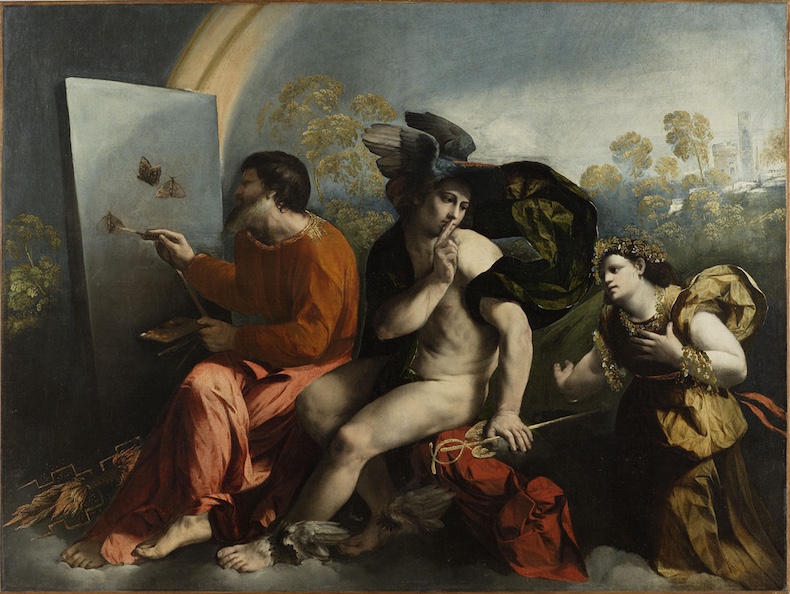
Jupiter, Mercury and Virtue (Aurora?) (1520s), Dosso Dossi
This curious painting by the Italian master Dosso Dossi was commissioned by Alfonso d’Este, whom Dosso used as a model for the figure of Jupiter, seen here painting butterflies with his eyes closed. He’s so immersed in his work that Mercury is silencing the approaching figure of Virtue, so as not to interrupt Jupiter. What a good friend.
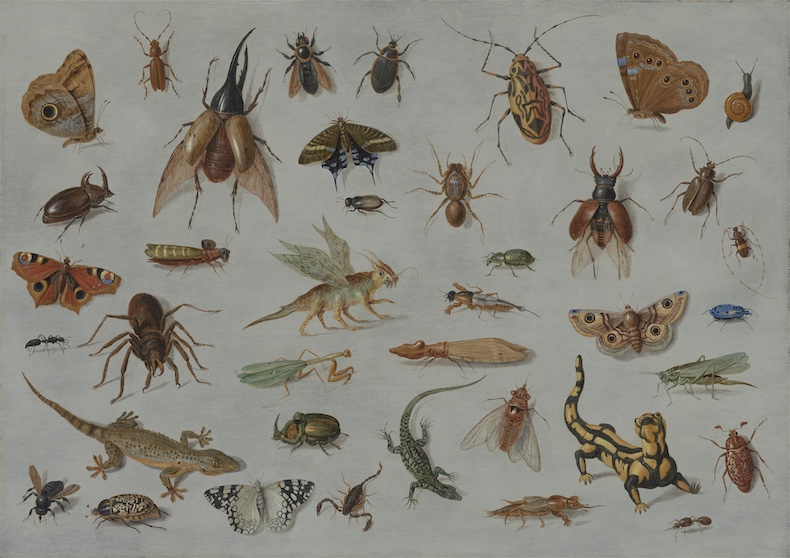
Study of Insects and Reptiles (c. 1660), Jan Van Kessel
The Flemish artist Jan van Kessel was one of the lesser-known members of the Bruegel family and, in fact, was one of several artists with the same name operating in the Low Countries in the 17th century. Perhaps this explains his skill at differentiating by sight: his many studies of insects, including this one, which features butterflies from Europe and the Americas – alongside lizards, snails and a peanut-headed lanternfly – are set apart by their meticulous attention to detail.
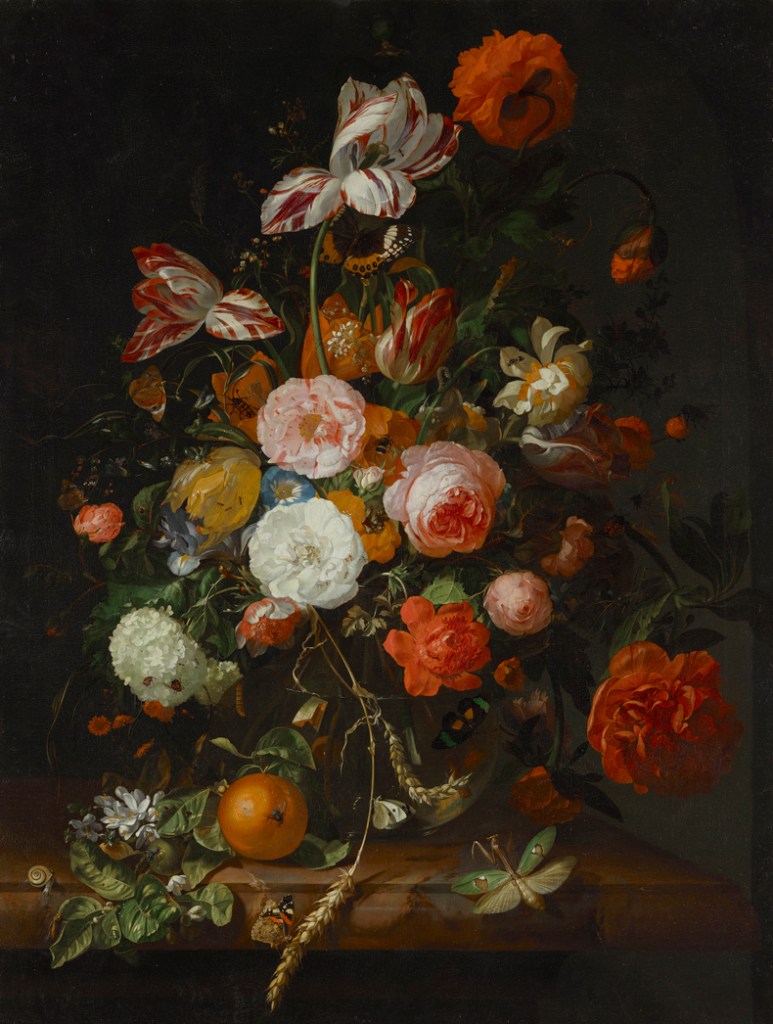
Bouquet of Flowers (1708), Rachel Ruysch
This may look like just another pretty still life but in the 17th century floral paintings such as this one were big business, and Rachel Ruysch was one of the genre’s finest and most successful exponents. The flowers are of course the main event but Ruysch frequently added in insects – usually to show off the breadth of Dutch colonial power, through which exotic plants and insects were brought back home and studied by scientists and artists alike.
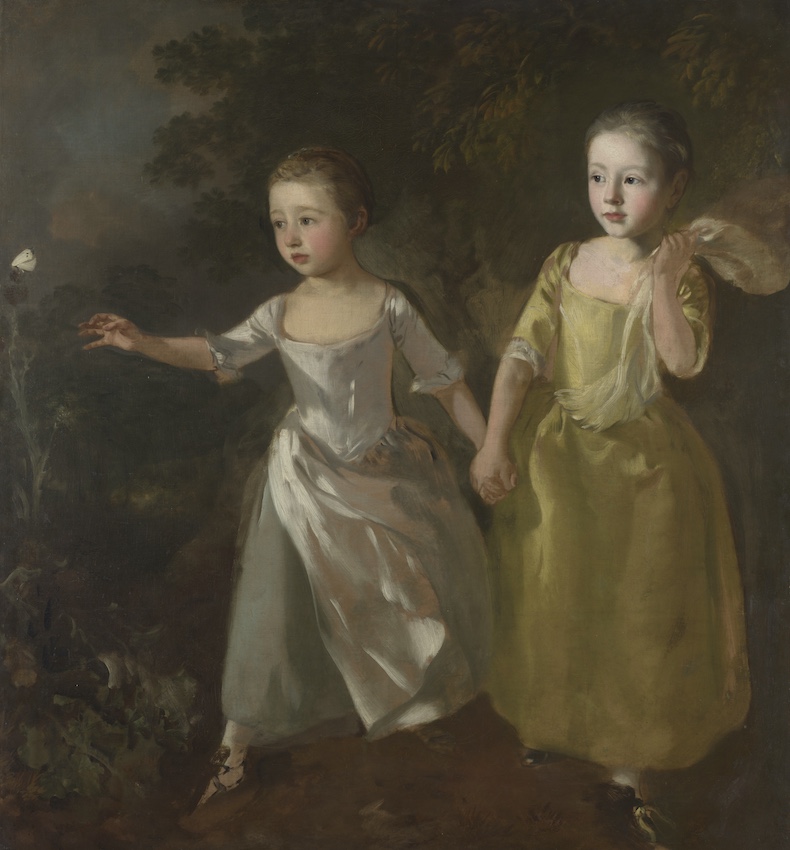
The Painter’s Daughters chasing a Butterfly (c. 1756), Thomas Gainsborough
The Cabbage White butterfly depicted in this tender painting by Gainsborough of his daughters Mary and Margaret is tiny and almost out of frame. But it commands the canvas nonetheless, with Margaret’s arm reaching out towards it, and the determined gaze of Mary, about to pounce, all drawing the eye to the humble insect.
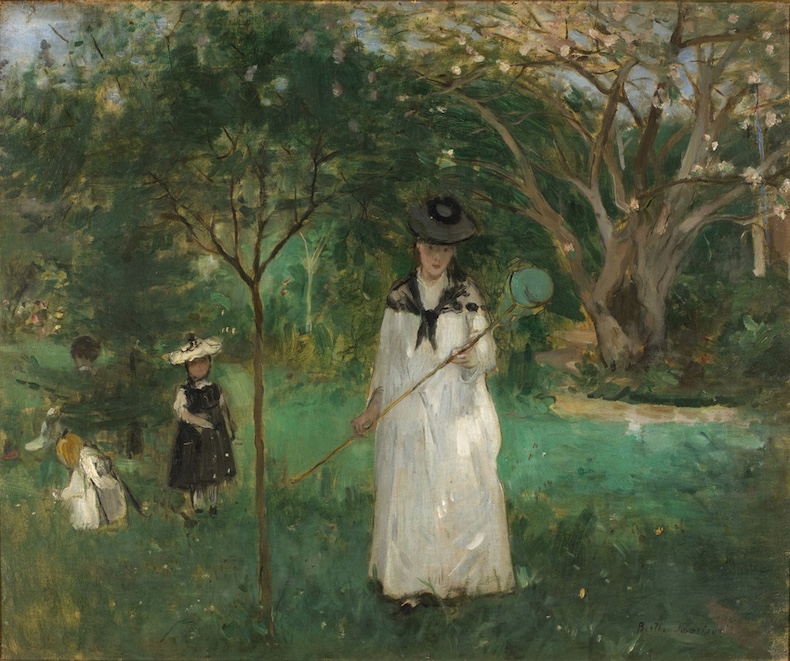
The Butterfly Hunt (1874), Berthe Morisot
There may not be an actual butterfly in the painting, but this nature scene by the most underrated Impressionist is haunted by the ghost of the insect that will soon be trapped in that long net. Chilling.
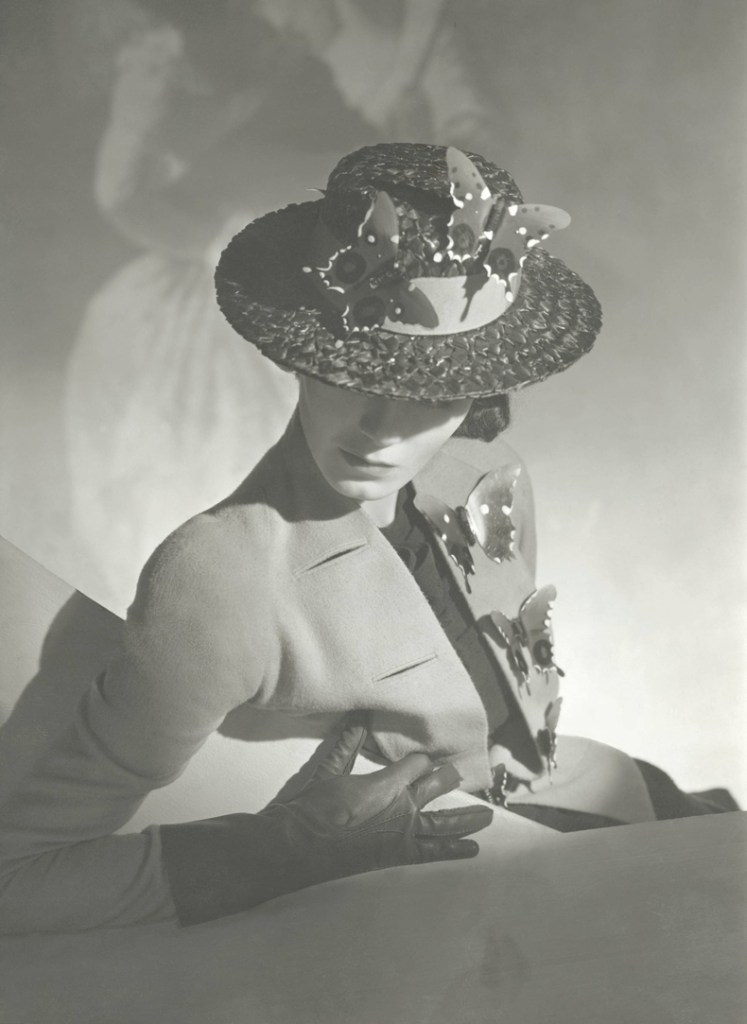
Jacket and hat with butterfly trimmings (1937), designed by Elsa Schiaparelli
Shoes, flowers, lobsters, grapes – for the designer Elsa Schiaparelli, anything could go on a hat or a dress. This fetching two-piece butterfly number, made in 1937 and photographed here for British Vogue, is one of her finest creations. Butterfly Conservation supporters need not worry: the butterflies aren’t real.