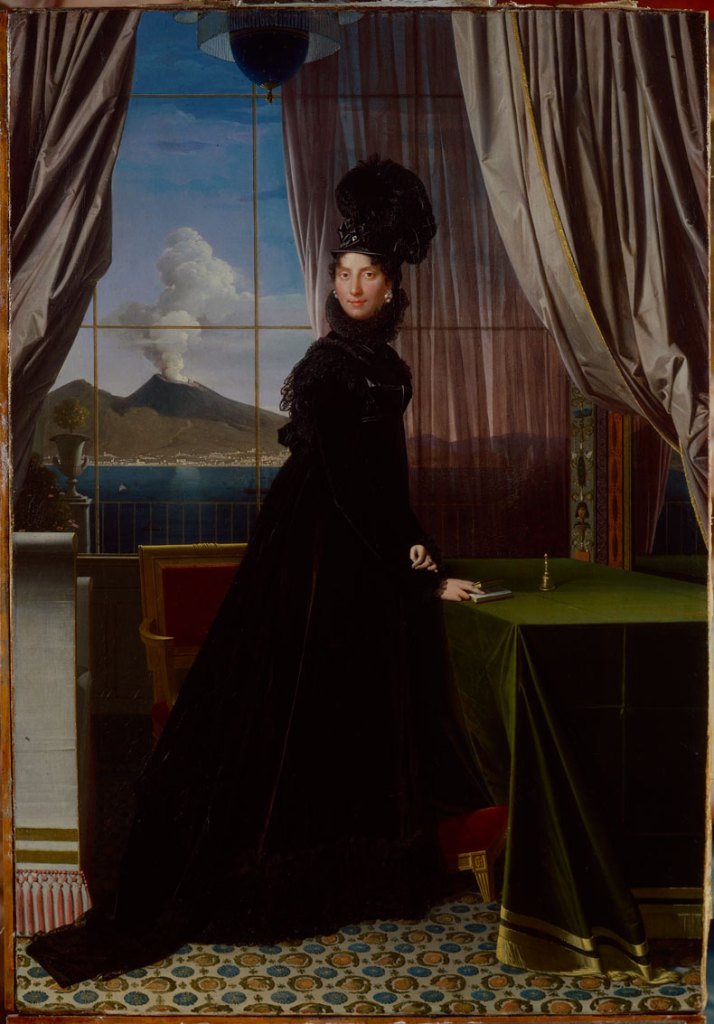
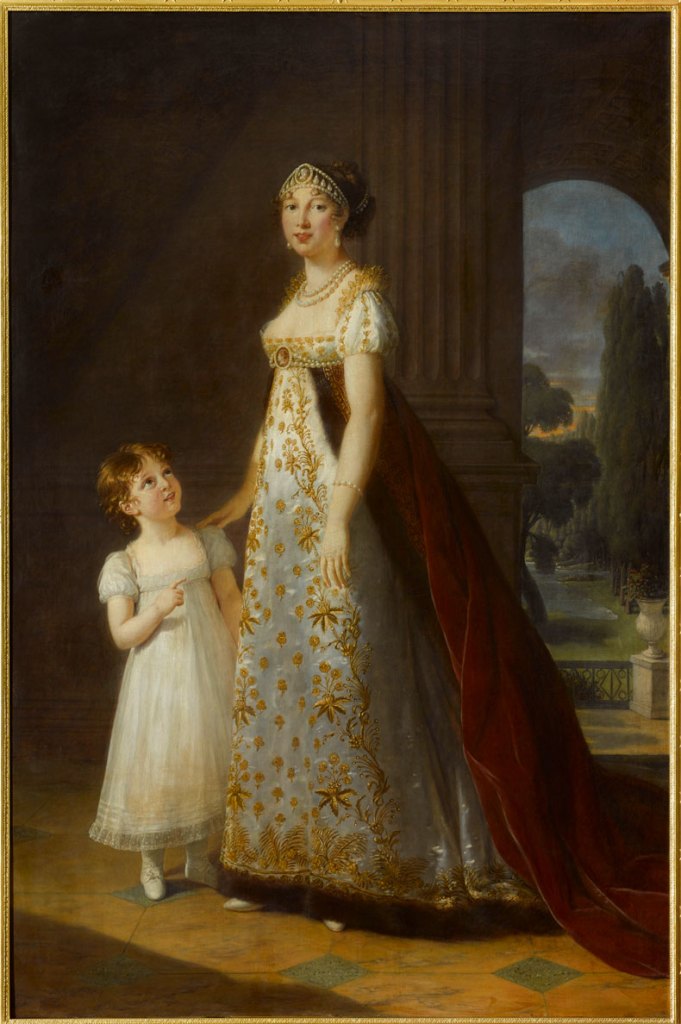
The Bonaparte family had a complicated history with the Château de Chantilly, the grand country pile some 50km north of Paris. In 1804 Napoleon ordered the execution of the Duke of Enghien, heir to the estate, for alleged conspiracy – thus bringing an end to the Bourbon-Condé dynasty, in whose hands the Château had remained for centuries. But Napoleon’s sister Caroline, a discerning patron of the arts, built up a substantial collection of antiquities and art that in 1854 passed into the hands of Henri d’Orléans, Duke of Aumale, who rebuilt the Château de Chantilly in the 1870s before moving in himself. One strand of this dual exhibition at the Musée Condé, which is inside the Château, assembles a range of Napoleonic memorabilia, telling a story of how the duke and his father, King Louis-Philippe, gradually grew less icy towards le petit caporal and his legacy (6 June–4 October). The other strand presents highlights from Caroline’s collection, including a portrait of her by Ingres in which Vesuvius is puffing in the background, and sculptures by Canova, who received her patronage.
Find out more from the Château de Chantilly’s website.
Preview below | View Apollo’s Art Diary