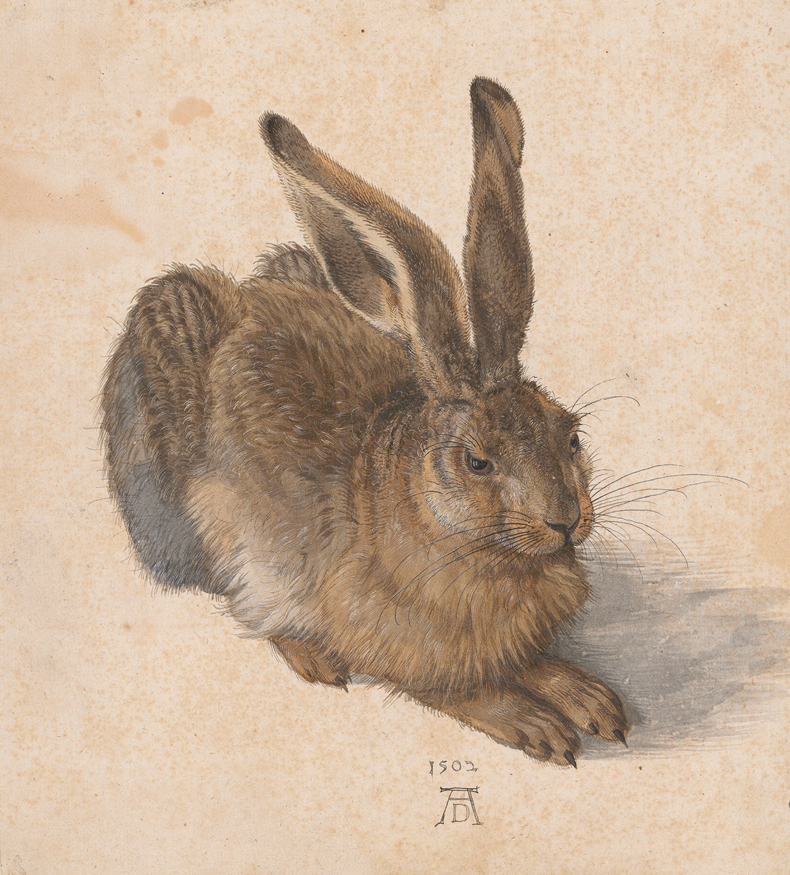
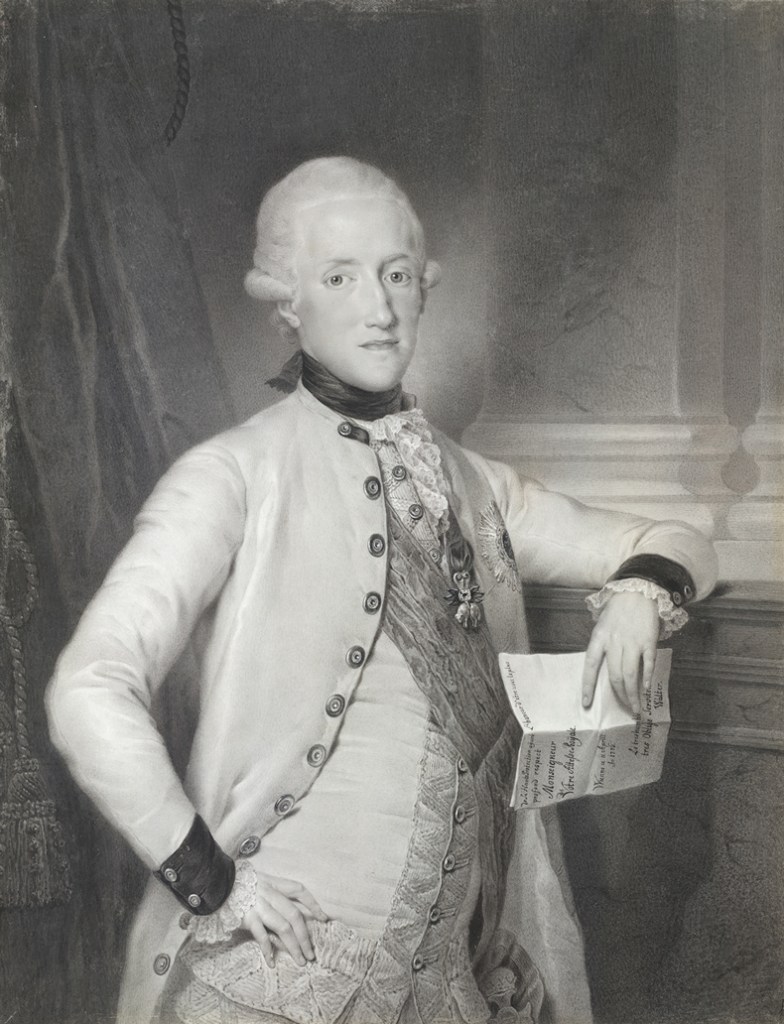
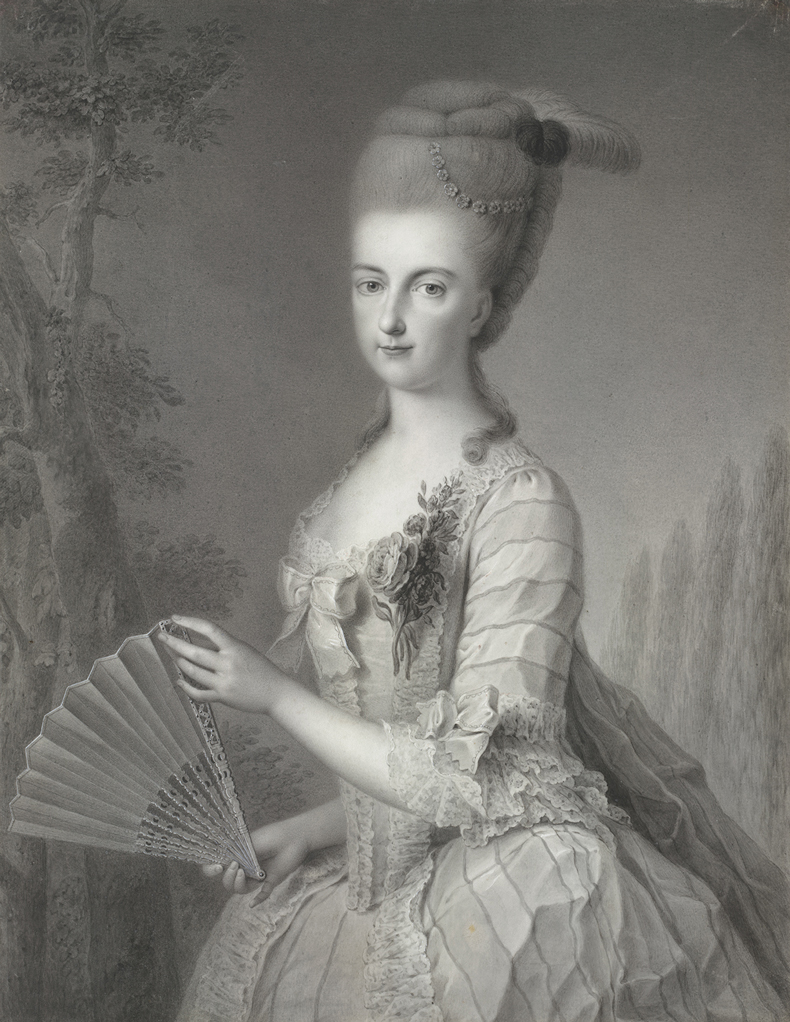
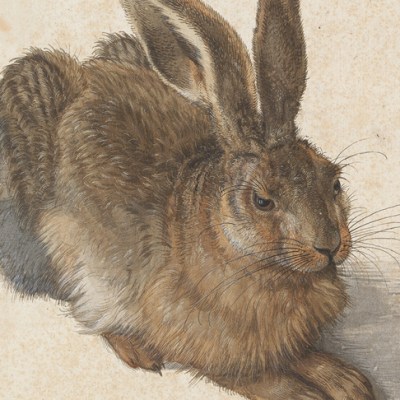
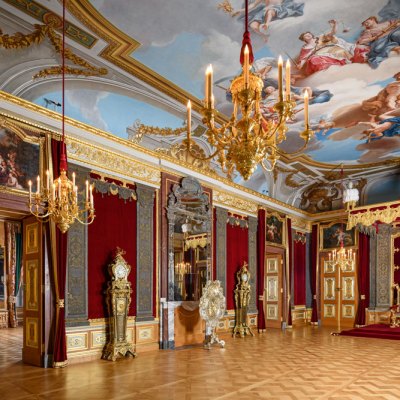
The US Declaration of Independence wasn’t the only important event to have taken place on 4 July 1776. It was also the day that Count Giacomo Durazzo, the Austrian envoy in Venice, presented Prince Albert Casimir of Saxony and his wife Maria Christina with a gift of 1,000 engravings. This, together with the paintings the couple had acquired for their seat at Bratislava Castle, went on to be the founding collection of the Albertina Museum in Vienna, which has since become famous for its collection of prints and works on paper. Although some of these works are world-renowned – think of Dürer’s Young Hare (1502) – the collection comprises more than a million prints and drawings, stretching from the late gothic period to the present day, many of which have never been seen by the public. This display walks us through the history of the collection, from its early years to how it came to encompass painting, photography, sculpture and moving-image work – and how it has always kept an eye on developments in contemporary art (19 June–11 October).
Find out more from the Albertina’s website.
Preview below | View Apollo’s Art Diary