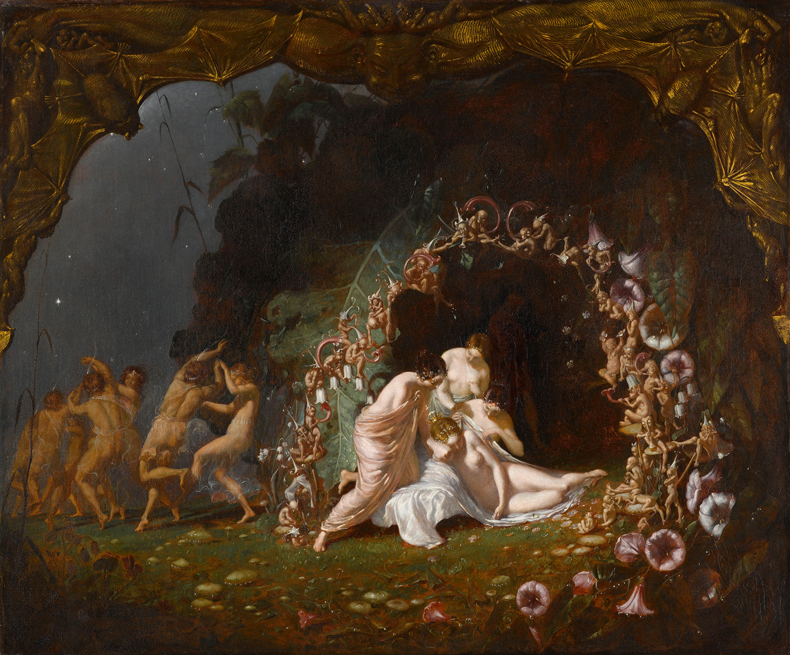
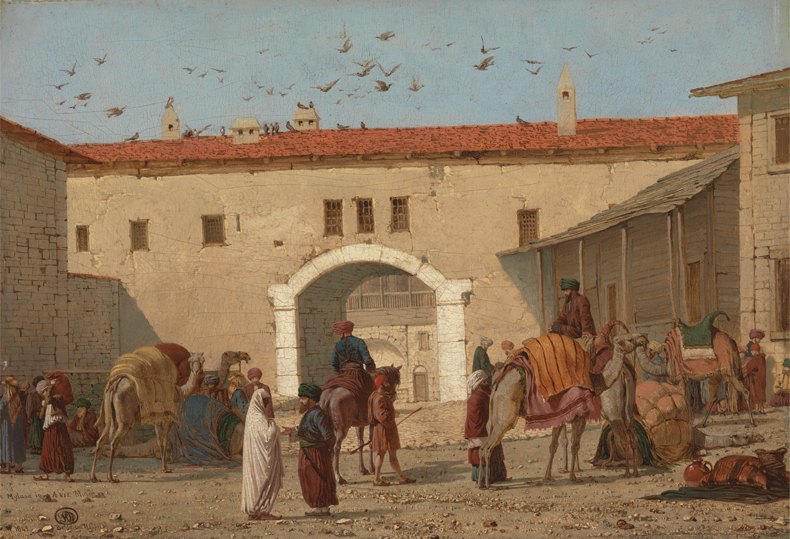
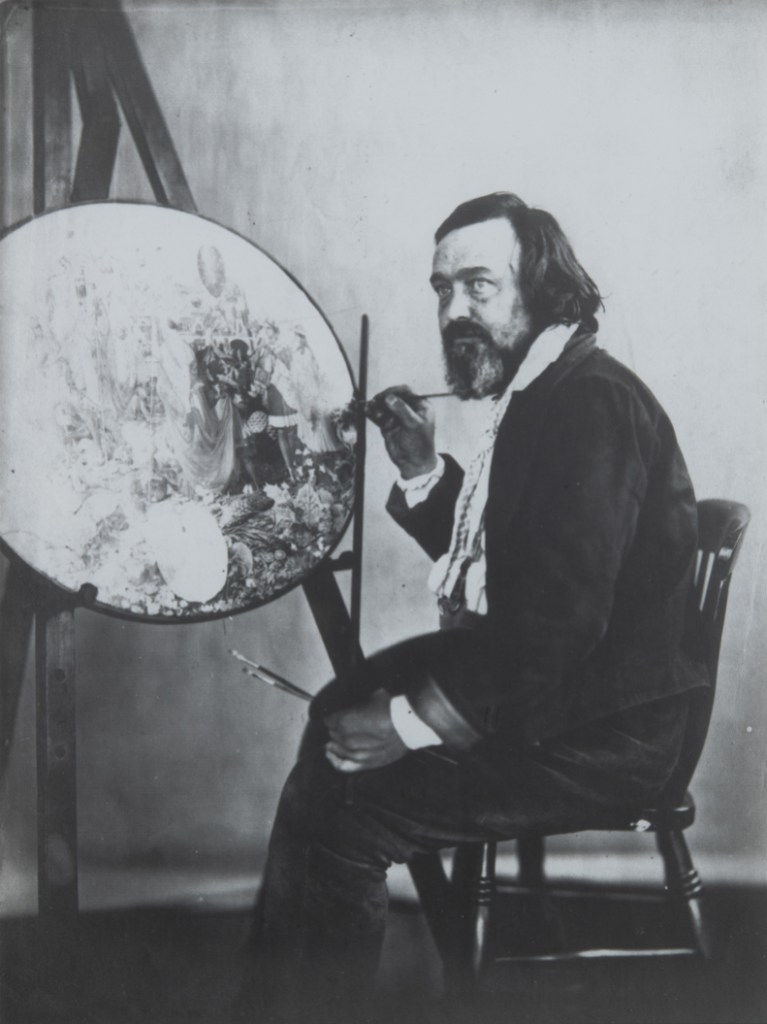
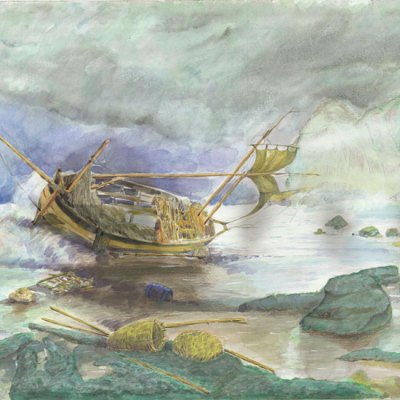
The eventful life of Richard Dadd (1817–86) risks overshadowing his art. After presenting Titania Sleeping – one of several Shakespearean scenes that made his name – at the Royal Academy’s summer exhibition in London in 1841, Dadd undertook a tour of the eastern Mediterranean that transformed his work but left him prone to delusions. Convinced that he was the son of the Egyptian god Osiris, Dadd killed his father after returning to England and was later apprehended in France, where he was institutionalised. He spent two decades at Bethlem, the psychiatric hospital in London, and another two decades at Broadmoor, during which time he continued to paint. He won renown in his lifetime as an outsider artist avant la lettre and his work – teeming with characters in fantastical settings dense with greenery – has inspired creative figures as varied as Angela Carter, Freddie Mercury and the artist Cornelia Parker. The Royal Academy, Dadd’s alma mater, is bringing together more than 100 works to honour the painter’s technical brilliance and singular vision (25 July–25 October).
Find out more from the Royal Academy’s website.
Preview below | View Apollo’s Art Diary