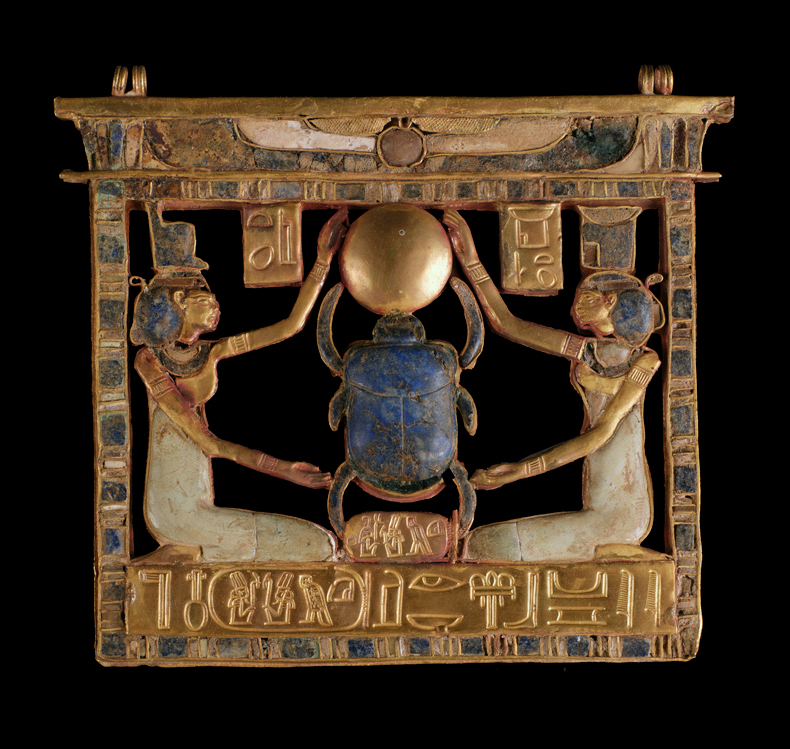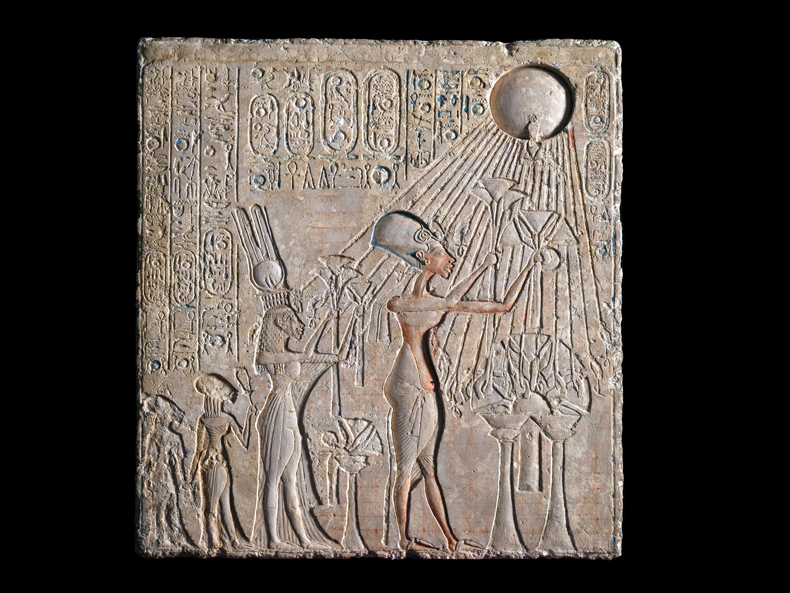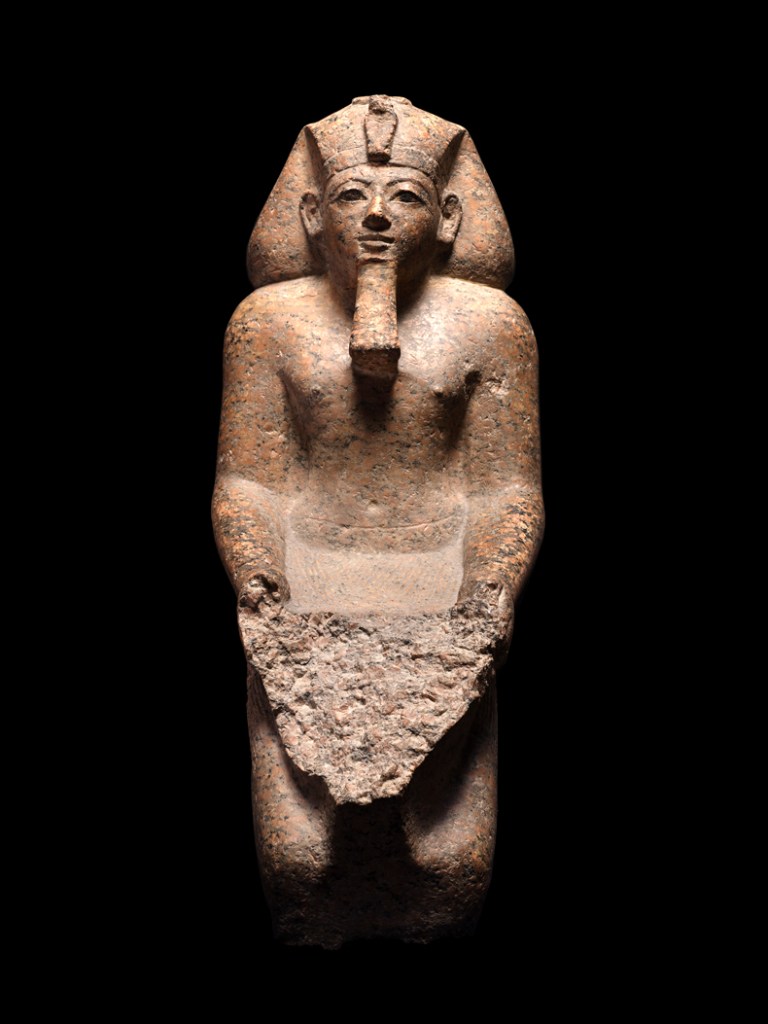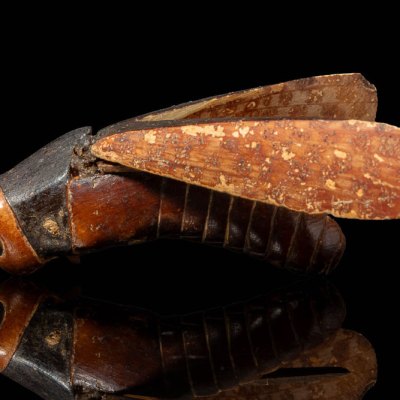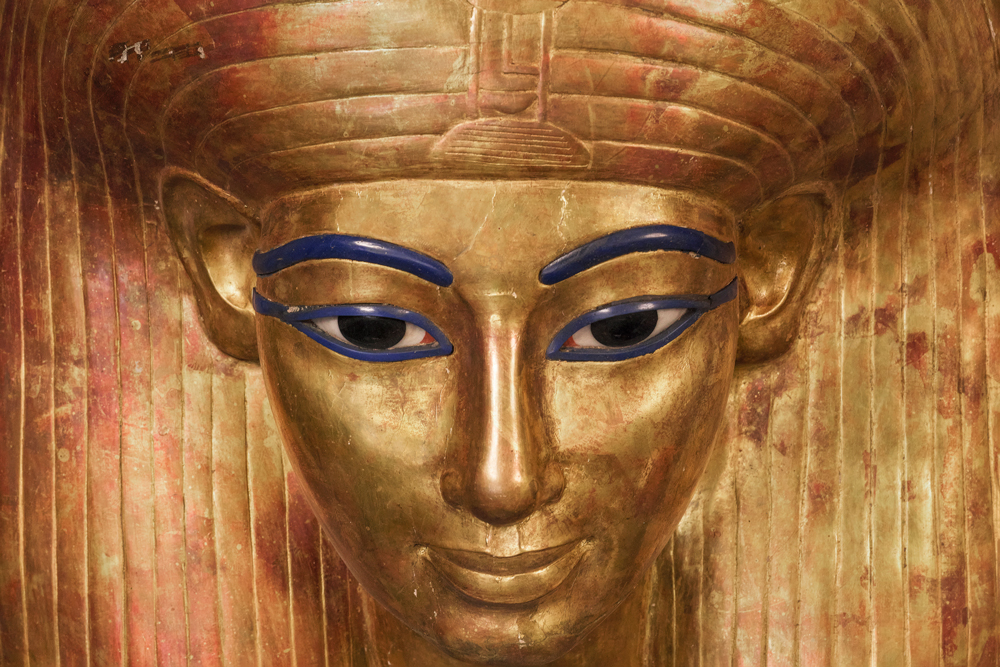
The de Young tells a story of state-building and art-making in ancient Egypt in an exhibition that is as ambitious in its historical sweep – it covers three millennia – as it is splendid (1 August–31 January 2027). The earliest works on view – two gold pendants of an antelope and a bull – date to around 3000 BC, when Upper and Lower Egypt were unified under the firm hand of the pharaoh Narmer. But there are also objects from the Late Period (c. 664–332 BC), which ended when Alexander the Great came along. Although all the objects are impressive on their own terms – such as a bracelet made of gold and lapis lazuli that belonged to Psusennes I, who reigned from c. 1040–992 BC – they also offer a glimpse of the textures, routines and hierarchies of everyday life in ancient Egypt, and how pharaonic rule evolved over 3,000 years.
Find out more from the Fine Arts Museums of San Francisco’s website.
Preview below | View Apollo’s Art Diary