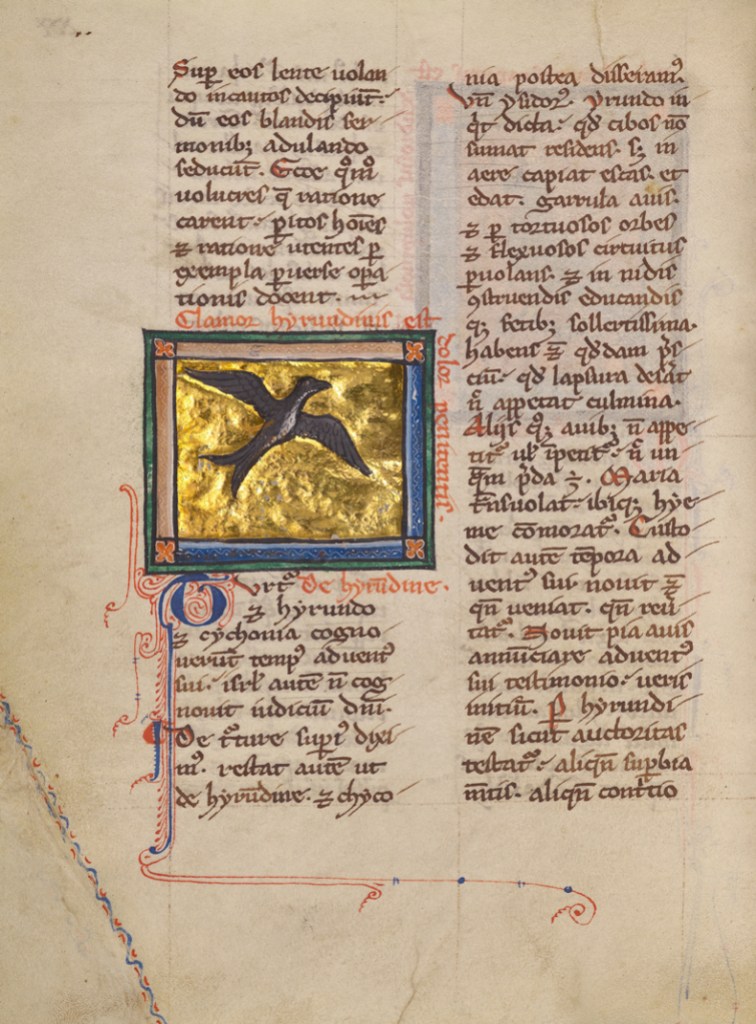
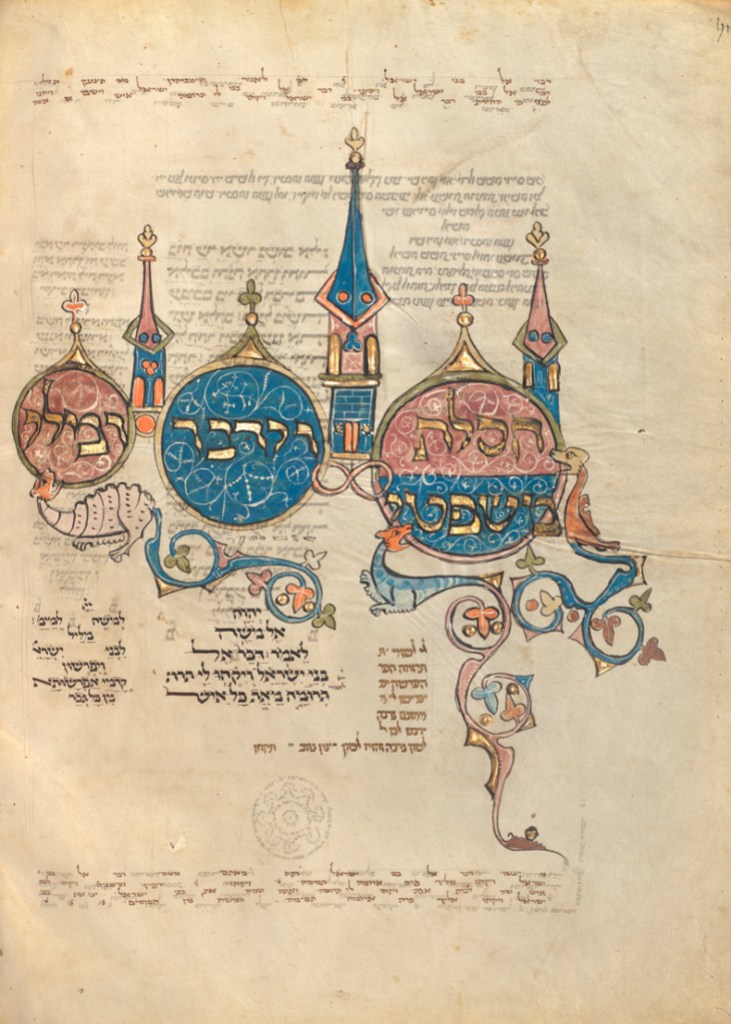
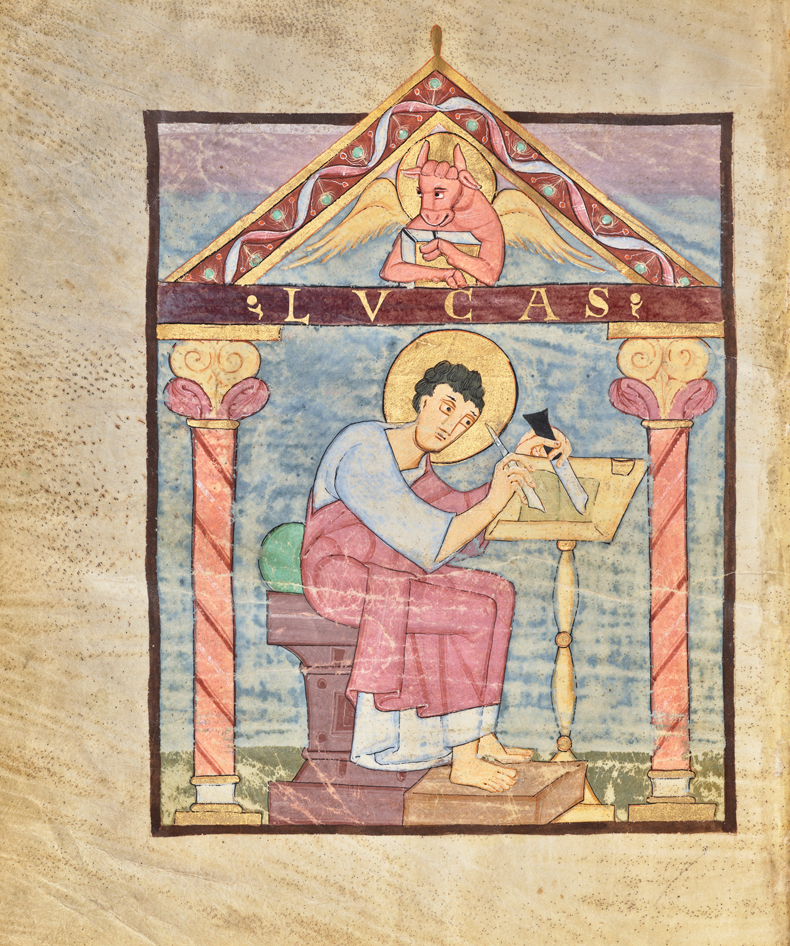
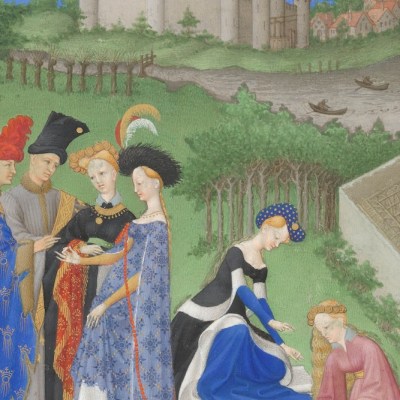
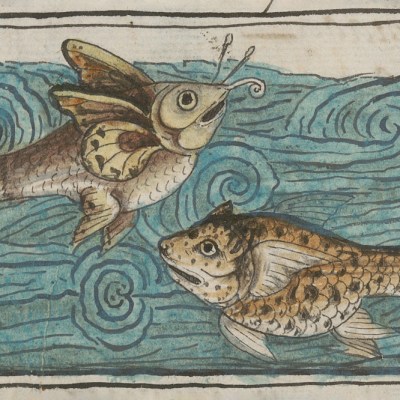
Individual pages and manuscripts from Europe, Armenia and Ethiopia from 500–1500 from the Getty’s own collection are the stars here (4 August–14 March 2027). ‘Much of what is familiar about the modern book,’ says Nancy Turner, curator of the exhibition, ‘came from how they were made a thousand years ago’ – but although publishers are still placing ink on blank pages that are then bound, the skill and patience that went into creating each work, from the tireless work of scribes to the artistic ingenuity of the illuminators, belong to a very different era. Highlights include a late 14th-century manuscript containing chess problems, written and illustrated on parchment made from carefully scraped calfskin, and the Rothschild Pentateuch. Also on view is a video that offers a step-by-step look at how medieval manuscripts were made.
Find out more from the Getty Center’s website.
Preview below | View Apollo’s Art Diary