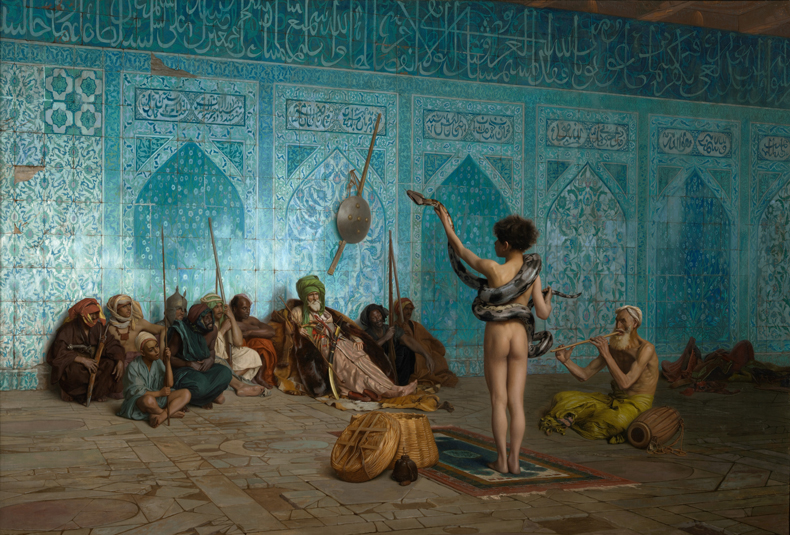
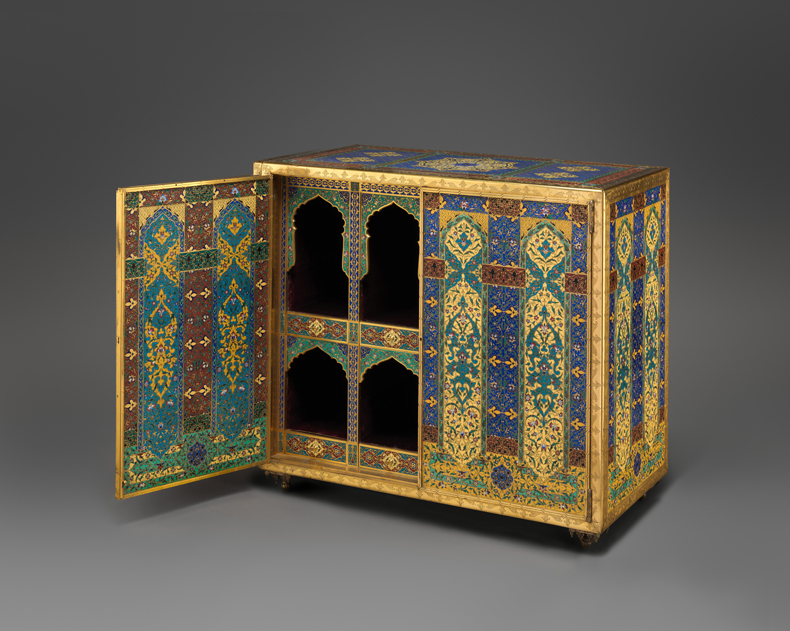
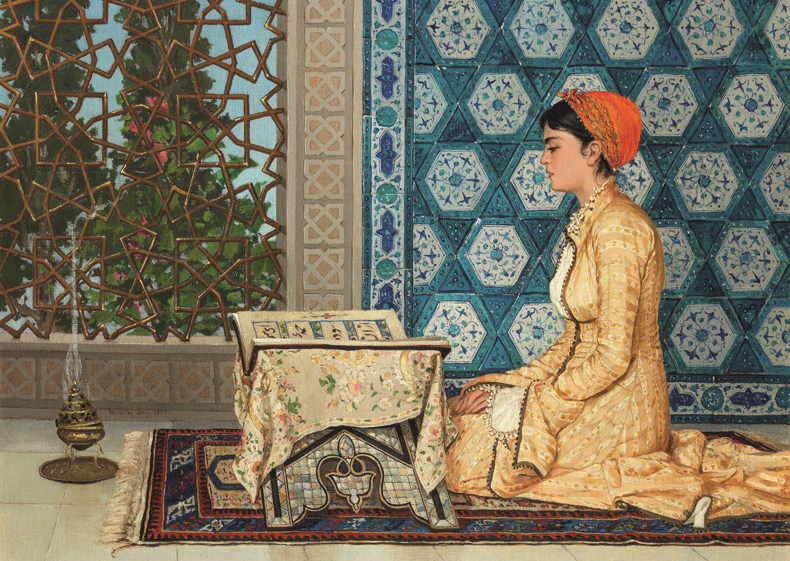
The roots of Orientalism lie in the 14th century, when major European universities established Arabic, Hebrew and Syriac as discrete areas of study, but it became far more pervasive in the late 18th century, when European powers began to wield economic, administrative and military power in North Africa, the Ottoman empire, the Middle East, central Asia and India. This exhibition at the Metropolitan Museum of Art (until 28 February 2027) takes 1798 – the year Napoleon invaded Egypt and set up the Institut d’Égypte in Cairo – as its starting point and ends by exploring the life and work of the Ottoman painter, archaeologist and administrator Osman Hamdi Bey (1842–1910). Presenting some 180 objects from 12 of the Met’s departments, the curators convey just how widespread the exoticising gaze was – not just in the fine arts, where painters including Ingres, Delacroix and Gérôme shaped how many in the West saw North Africa and the Middle East, but also in scholarship, architecture, weaponry and the decorative arts.
Find out more from the Metropolitan Museum of Art’s website.
Preview below | View Apollo’s Art Diary