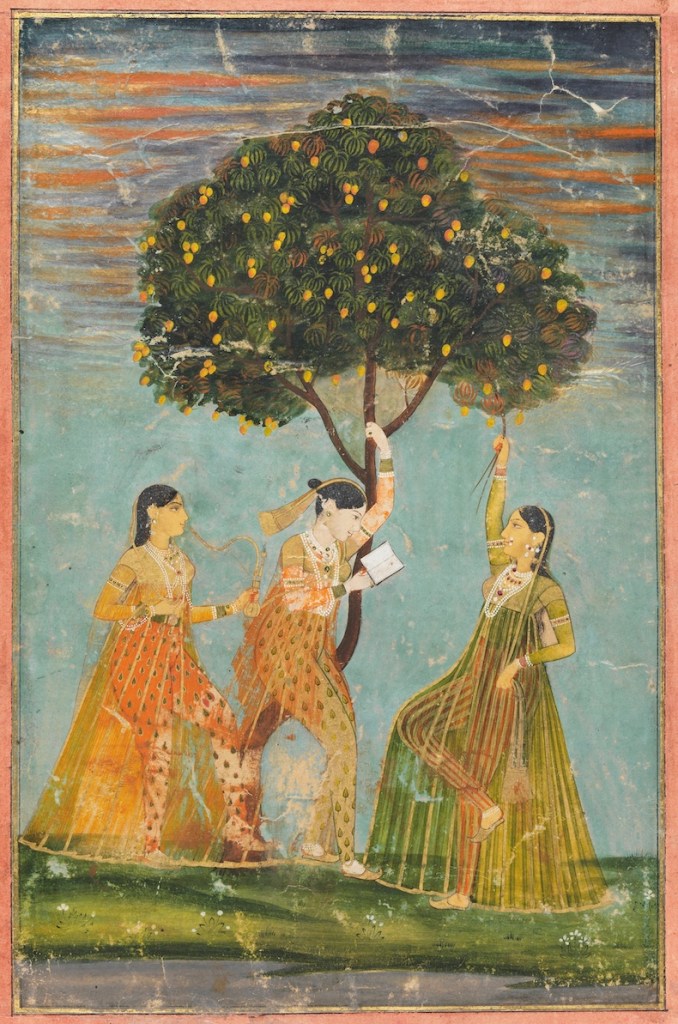
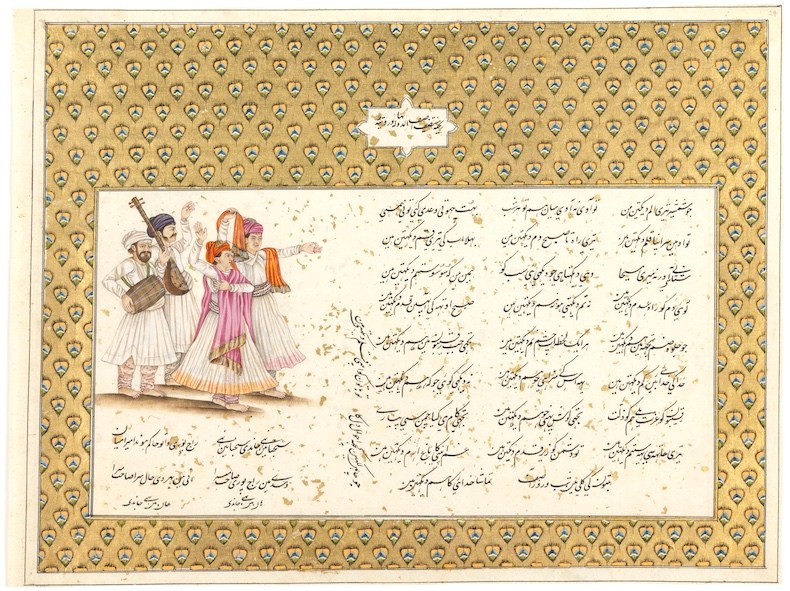
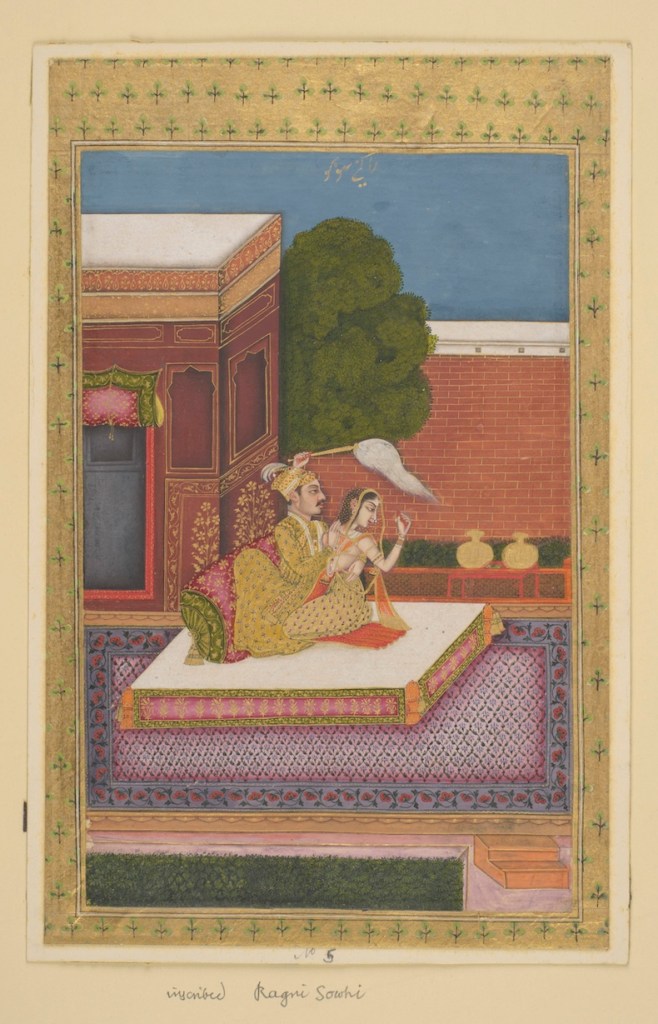
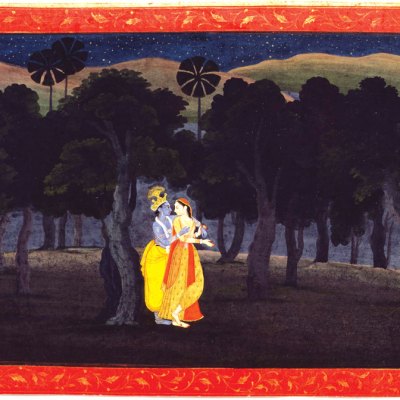
Between 1777 and 1790, Sophia Elizabeth Plowden and her husband, an East India Company officer, lived between Calcutta and the capital of the princely state of Oudh, Lucknow. It was in the latter that Plowden collected into an album the lyrics and music of Hindustani and Persian songs that were performed at courtly gatherings. The surviving pages of Plowden’s album include lyrics inscribed in Persian, Urdu, Hindi and Panjabi languages, as well as illustrations of performers, dancers and courtesans. To give a fuller sense of the culture the album captures, the Fitzwilliam’s exhibition also presents examples of the courtly life of 18th-century Lucknow, such as watercolours of important sites, monumental textiles and, throughout the galleries, live performances of the music Plowden was at such pains to record (8 September–7 March 2027).
Find out more from the Fitzwilliam Museum’s website
Preview below | View Apollo’s Art Diary