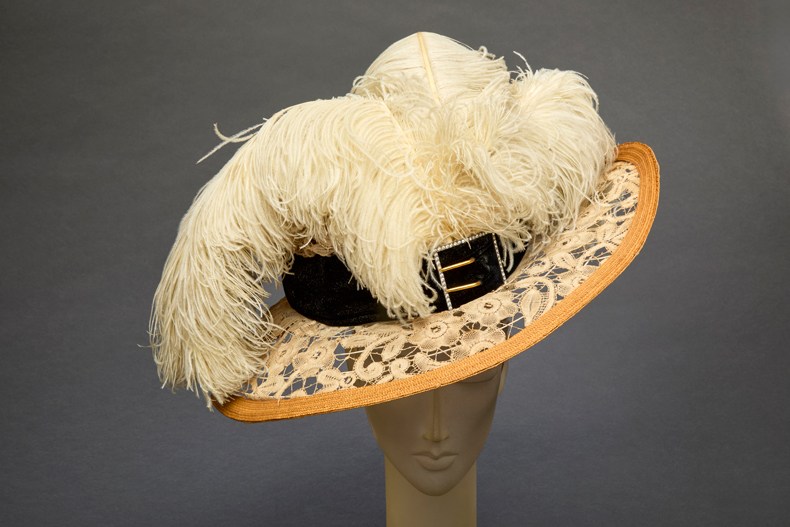
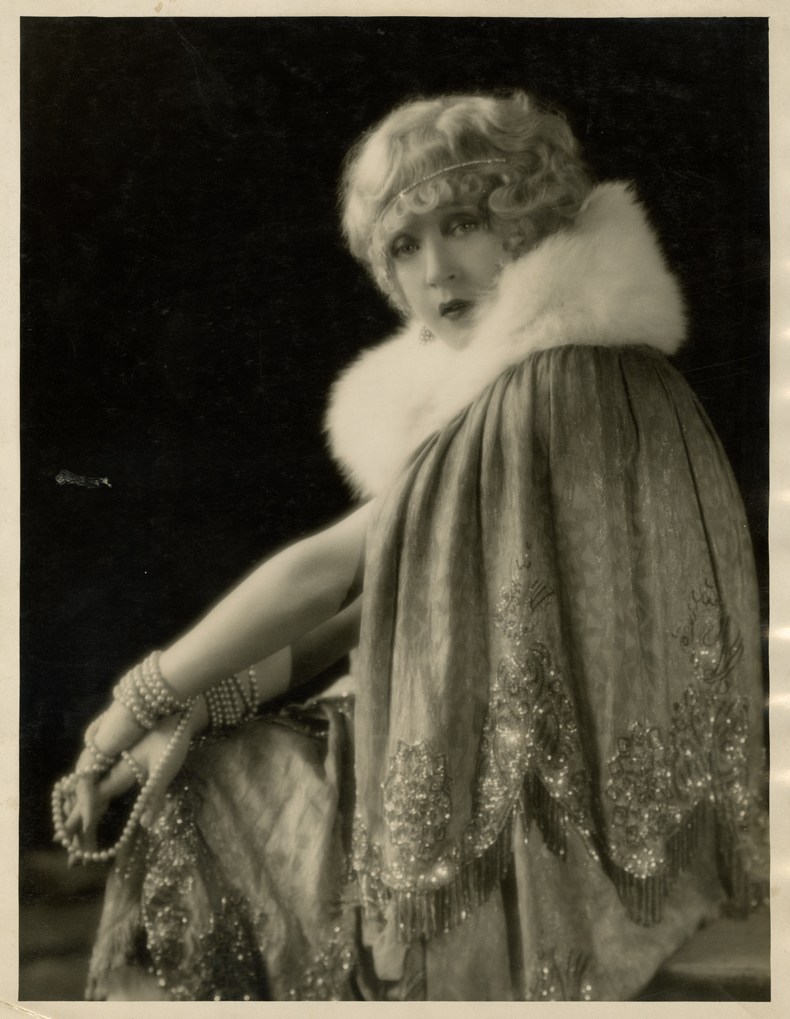
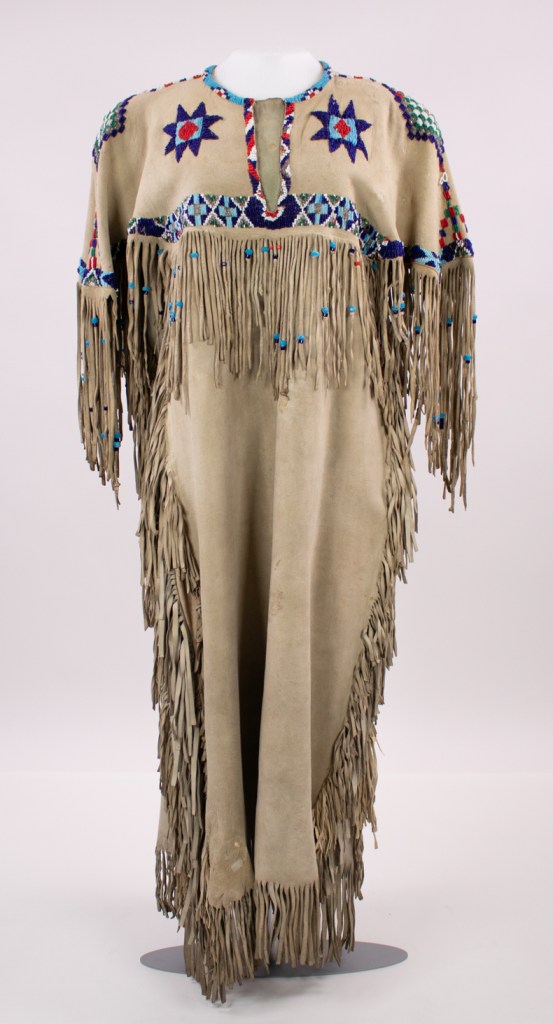
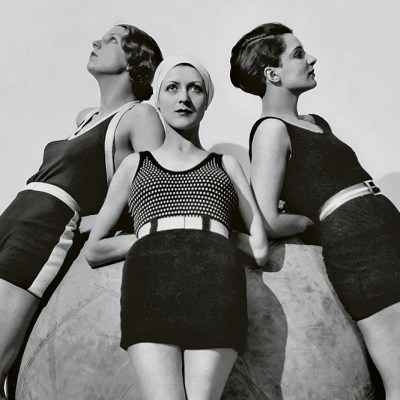
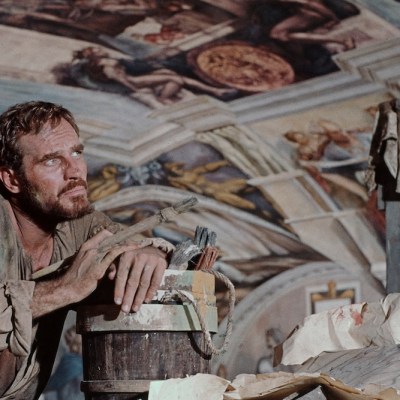
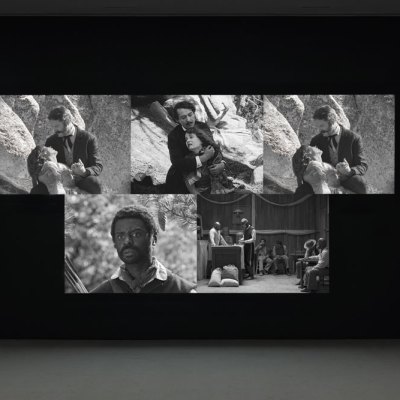
Before the ‘talkies’ revolutionised Hollywood in 1927, film-makers had to get creative to convey a sense of character on screen. One way of expressing personality was through clothing, and the Bard Graduate Center has gathered an impressive array of costumes, accessories, photographs and film clips to chart how fashion influenced early American cinema and vice versa (18 September–3 January 2027). Only one in five films from the silent era have survived, and original garments and costume jewellery are even rarer, but that hasn’t crimped the scope of this exhibition, which explores fan culture, wardrobe departments, gender-bending in silent cinema and the influence of Mexican and Indigenous apparel on cowgirls’ clothes on screen. The curators have been particularly playful with the opening gallery, which brings a cinema foyer from the 1910s to life complete with programmes, posters and pre-show announcements.
Find out more from the Bard Graduate Center’s website.
Preview below | View Apollo’s Art Diary