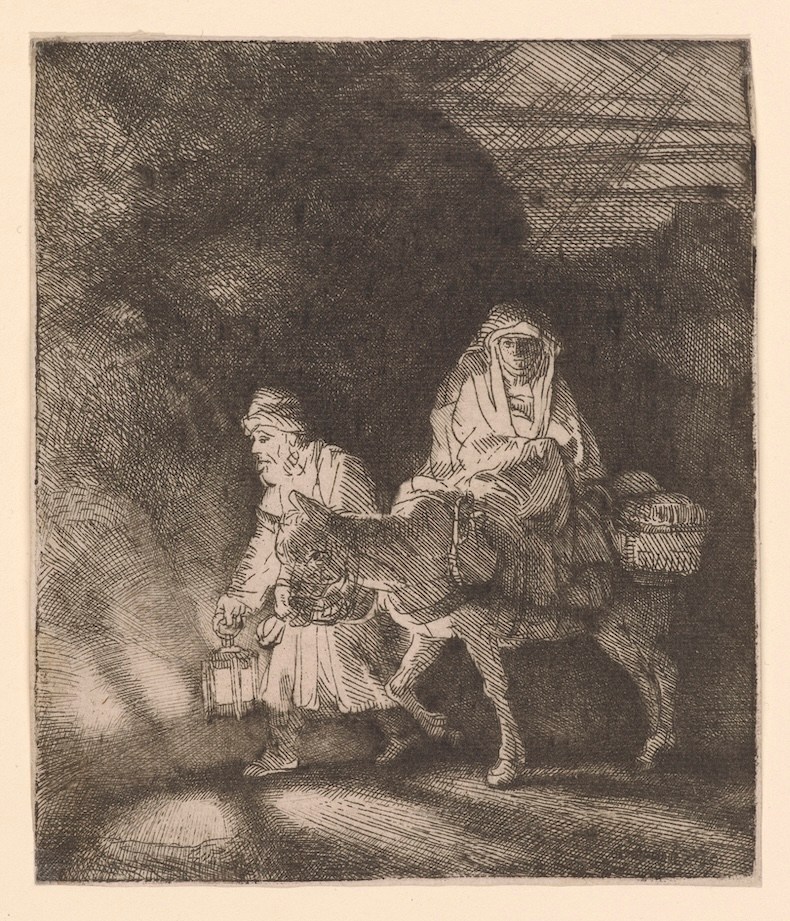
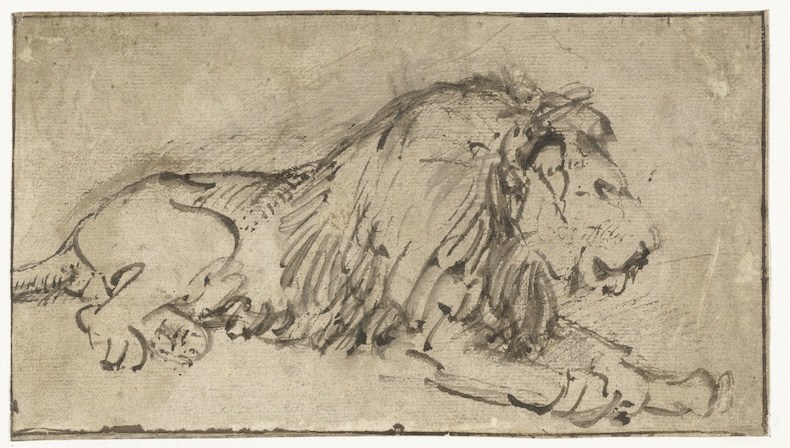
Apart from a few magnificent examples, most of the lions here are the migrants, exiles and refugees that Rembrandt encountered in Amsterdam during a century in which some 60 per cent of the city’s denizens had been born elsewhere (23 October–31 January 2027). The artist captured these figures with a sharp and empathetic eye in portraits and group scenes and was equally interested in biblical stories of migration: one of the works is a nocturnal Flight into Egypt (c. 1651), which, when seen alongside Rembrandt’s depictions of the immigrants of his own day, reminds us that the history of displacement stretches back millennia. The Morgan owns the largest collection of Rembrandt’s etchings in North America and adds to its own holdings with loans from the Rijksmuseum and elsewhere.
Find out more from the Morgan Library & Museum’s website.
Preview below | View Apollo’s Art Diary