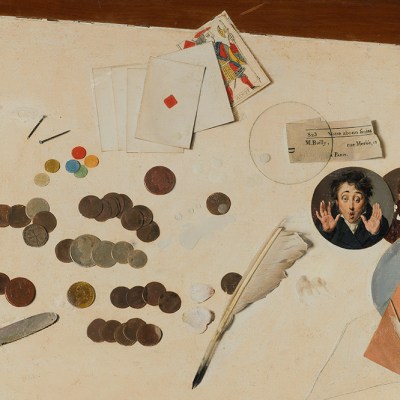
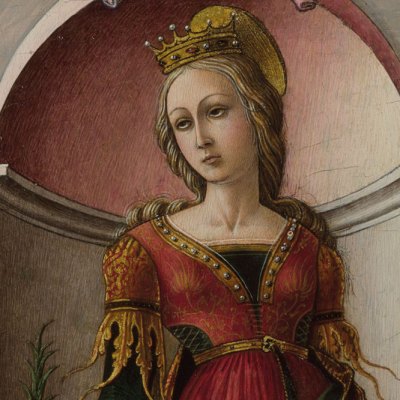
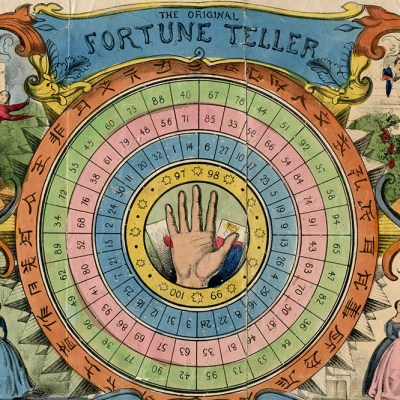
The Conjurer (c. 1502; detail), workshop of Hieronymus Bosch. Philadelphia Museum of Art

‘Four things to see’ is supported by Bloomberg Connects, a free arts and culture platform that provides access to museums, galleries and cultural spaces around the world on demand. Explore now.
Each week we bring you four of the most interesting objects from the world’s museums, galleries and art institutions, hand-picked to mark significant moments in the calendar.
Freeing himself from handcuffs, straitjackets, prison cells and submerged crates in front of enormous crowds, Harry Houdini made escapology a headline act. Born Erik Weisz in Budapest in 1874, Houdini celebrated the art of illusion throughout his career and devoted much of his later work to exposing fraudulent mediums who claimed to commune with the dead. On 31 October 1926 – a hundred years ago this Halloween – Houdini died in Detroit at the age of 52.
Artists have practised deception and trickery for as long as conjurers have. Pliny the Elder tells of the painter Zeuxis, whose painted grapes fooled the birds, and of his rival Parrhasius, whose painted trompe l’oeil curtain tricked Zeuxis himself. This week we admire four works that explore magic and illusion.
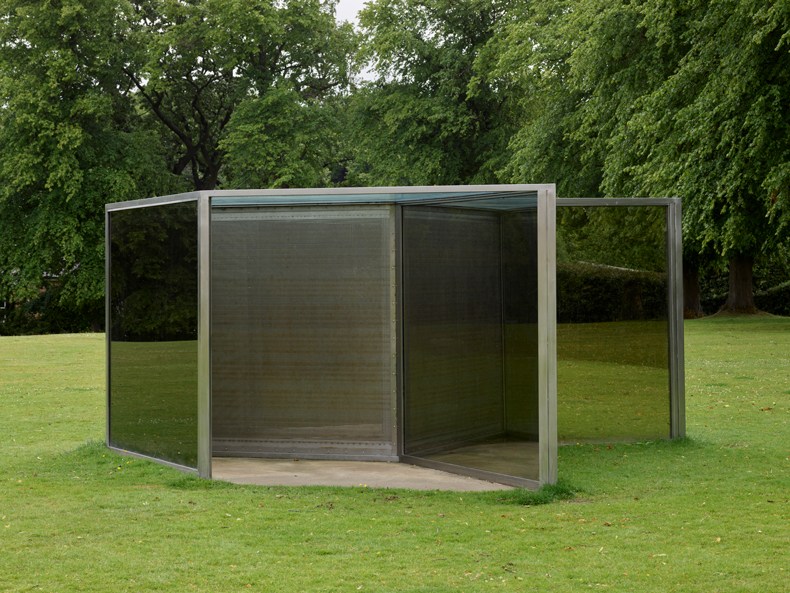
Two Two-Way Mirrored Parallelograms Joined with One Side Balanced Spiral Welded Mesh (1996), Dan Graham
Modern One, Edinburgh
Nothing here is concealed: the title is a clear description of the parts. Four sheets of two-way mirrored glass and one of perforated steel enclose a space about the size of a bus shelter on the lawn outside the gallery. The glass is the kind used for office towers, at once transparent and reflective, so that a visitor sees their own reflection, the parkland behind them and the view through the panel all at once, and inside the mirrors work on each other. Which face reads as mirror and which as window depends on where the light falls, so the work alters through the day and with the weather. Dan Graham began making pavilions of this kind in the late 1970s, taking a material associated with corporate skyscrapers and surveillance rooms and setting it down in a park. Click here to read more.
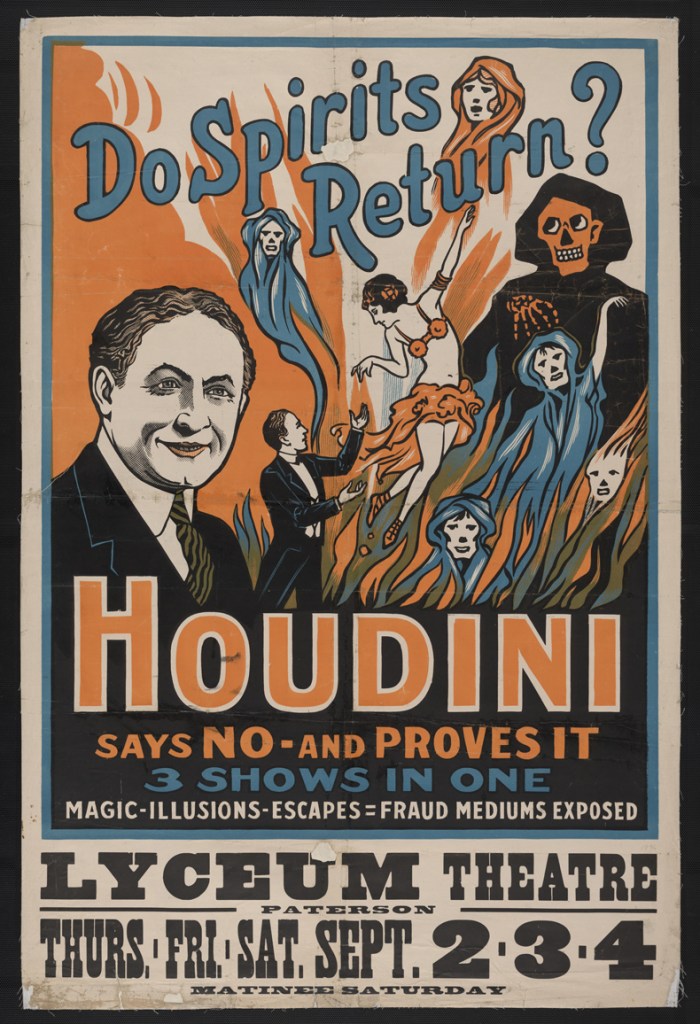
Houdini: Do Spirits Return? (1909)
Library of Congress, Washington, D.C.
Spectres climb through orange flame across this colour lithograph beneath the question ‘Do Spirits Return?’ The poster advertises the strand of Houdini’s stage show in which he reproduced the effects of the séance room, then explained how each was done. He pursued fraudulent mediums with the zeal of a man intimately familiar with, and contemptuous of, their methods, and offered rewards to any whose effects he could not replicate. It cost him a friendship: Arthur Conan Doyle, a convinced spiritualist, refused to accept that Houdini’s escapes were tricks at all, and maintained to the end that Houdini possessed genuine supernatural powers and was perversely denying them. Click here to learn more.
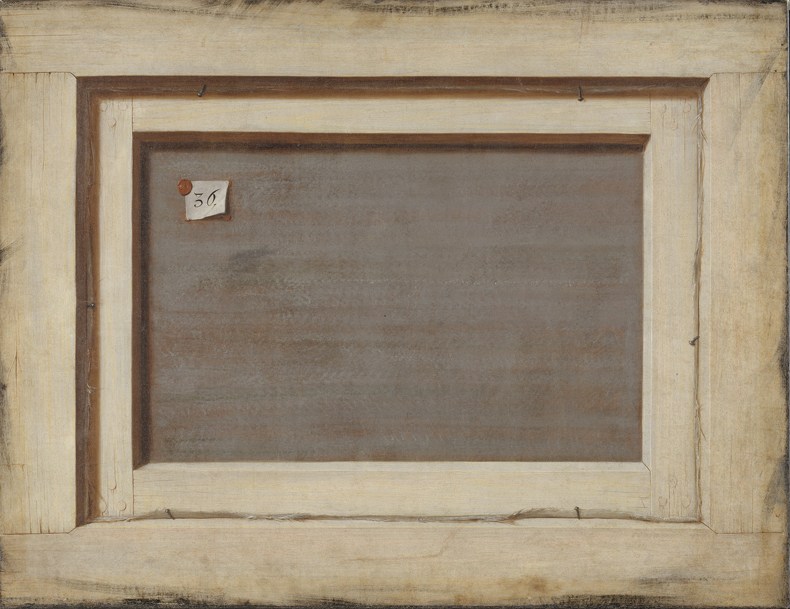
The Reverse of a Framed Painting (1670), Cornelius Norbertus Gijsbrechts
Statens Museum for Kunst (SMK), Copenhagen
Stretcher bars, canvas tacked at the edges, a numbered inventory label sealed with red wax: this is a painting of the back of a painting. Gijsbrechts, a Flemish specialist in trompe l’oeil who served as court painter in Copenhagen, made it for the Danish royal Kunstkammer, which included a chamber dedicated to illusionistic works, trickery and wonder. Left propped against a wall, the painting would invite a viewer to turn it round and find nothing on the other side. Click here to find out more.
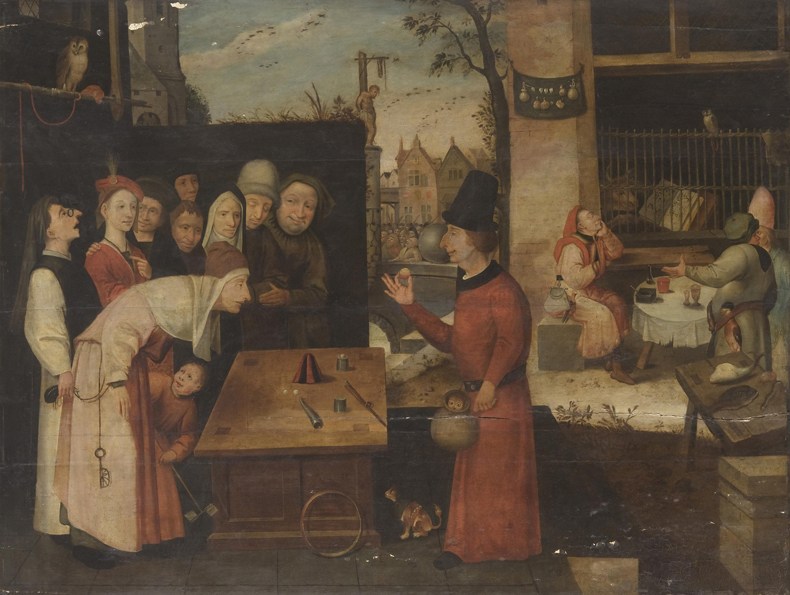
The Conjurer (c. 1502), workshop of Hieronymus Bosch
Philadelphia Museum of Art
Nobody in this picture is watching the theft. A conjurer in a tall hat works the cups-and-balls trick at a table, an owl peering from the basket at his waist, and the crowd presses in; one man bends far forward while the figure behind him lifts his purse and gazes innocently at the sky. Misdirection is the subject: the painting shows the trick being performed and the second trick that the first one makes possible; most viewers see the conjurer’s raised hand before they find the purse. Click here to discover more.

‘Four things to see’ is sponsored by Bloomberg Connects, a free arts and culture platform that provides access to museums, galleries and cultural spaces around the world on demand. Explore now.