The Shortlist
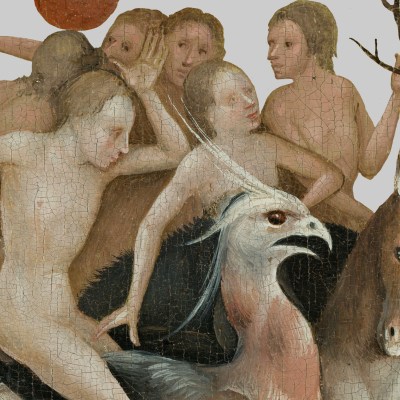
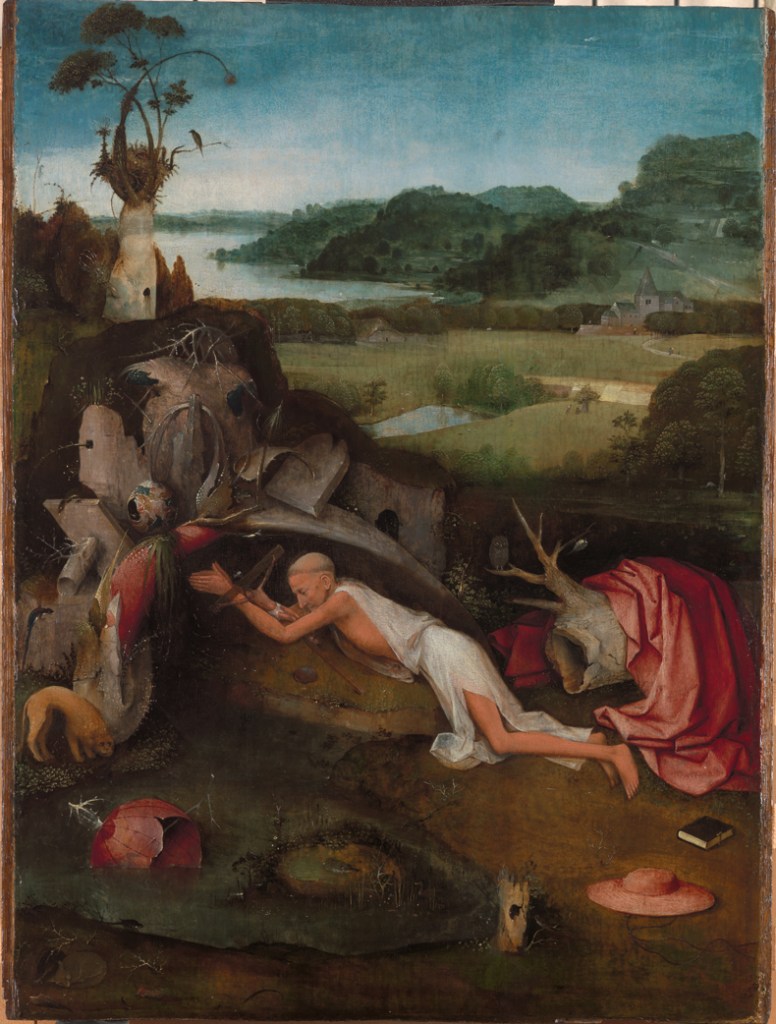
Closer to Bosch
This website allows viewers to zoom in to most of the known paintings by Hieronymus Bosch – and four by his workshop – in ultra-high definition. Each work is accompanied by a text published by the Bosch Research and Conservation Project. The website also includes a catalogue raisonné, with detailed information about 27 works. The Jheronimus Bosch Art Center in ’s-Hertogenbosch is the driving force behind the project and is planning to add Bosch’s drawings to the website in the coming year.
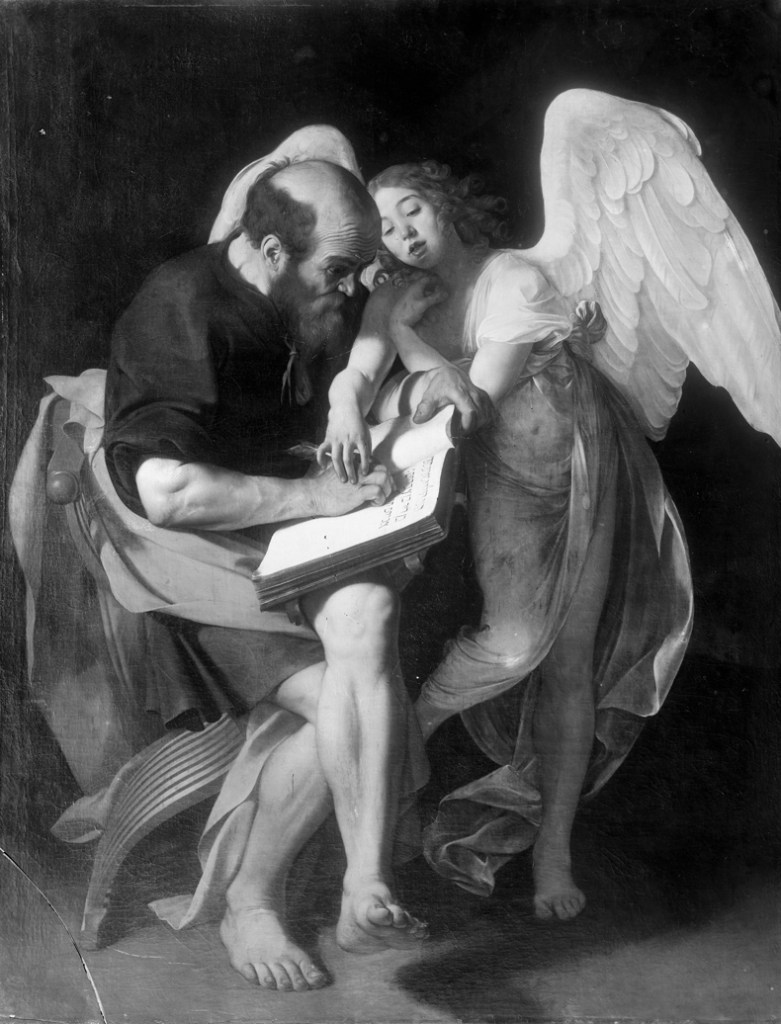
The Gemäldegalerie’s digitisation drive
Some 430 works of art from the Gemäldegalerie were lost in a fire in a bunker during the Second World War. They survive only in a series of photographs preserved as large-format negatives in the museum’s archives. The museum has now made these photographs available to view in high definition. These reproductions allow us to get to know paintings by artists including Botticelli, Caravaggio, Van Dyck and Goya that have long been impossible to see in any form.
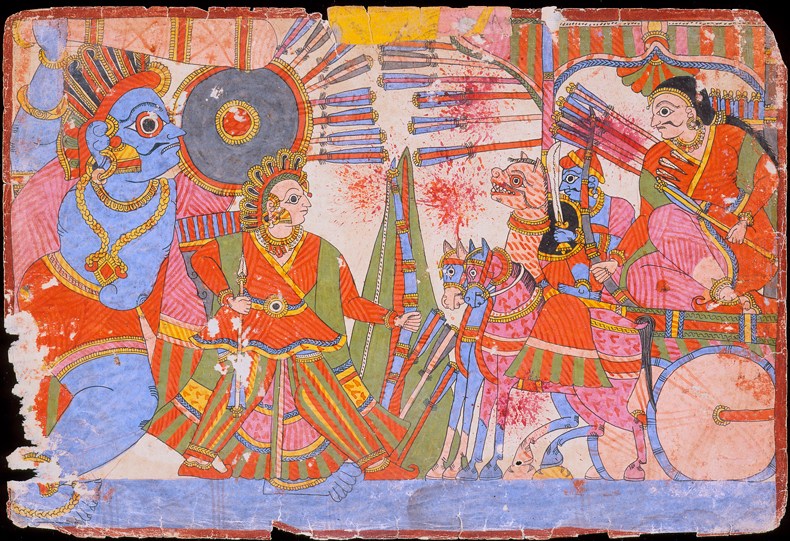
Impart
This intuitively designed encyclopaedia contains 2,500 examples of South Asian visual culture, covering Afghanistan as well as the Indian subcontinent, from the last 10,000 years. Architecture, painting, sculpture, textiles, design, film, photography and performance art are all represented. The homepage is continually updated with video essays and articles by experts, and the website also hosts online courses and live lectures. Impart is supported by the Art & Photography Foundation, which also funds the Museum of Art & Photography in Bangalore.
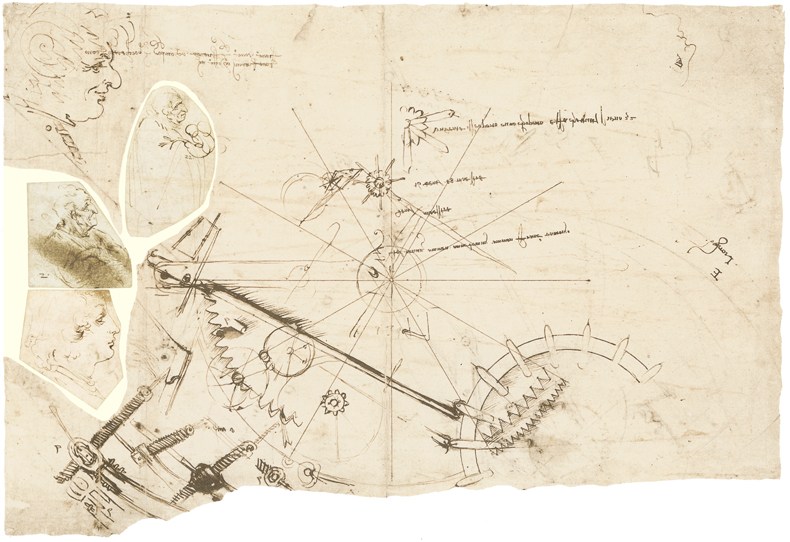
Leonardotheka 2.0
In the 16th century, Leonardo’s notebooks and loose sheets were divided between the Biblioteca Ambrosiana in Milan and the Royal Library in Windsor. The split ran deep: images were largely separated from the corresponding text. This searchable digital platform, developed by the Museo Galileo in Florence, brings the two collections together for the first time. The new database, replete with high-resolution scans, is the largest repository of Leonardo manuscripts in the world.
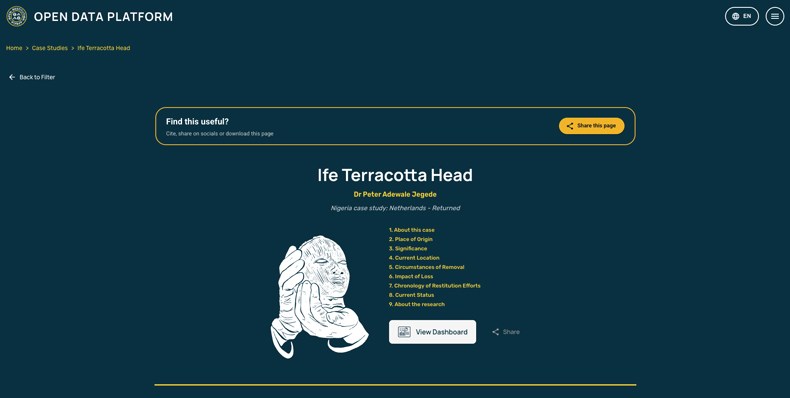
Open Restitution Africa’s Open Data Platform
This database contains 25 case studies of objects that African nations have tried to reclaim from Western collections in the last 200 years. Each case study – available in English and French – presents findings from existing scholarship, new research and oral interviews highlighting the importance of these objects to the cultures that created them. Entries include the institutions and partners involved in claims. Ten items have not yet been restituted, giving the project – led by women across Africa – an added sense of immediacy.
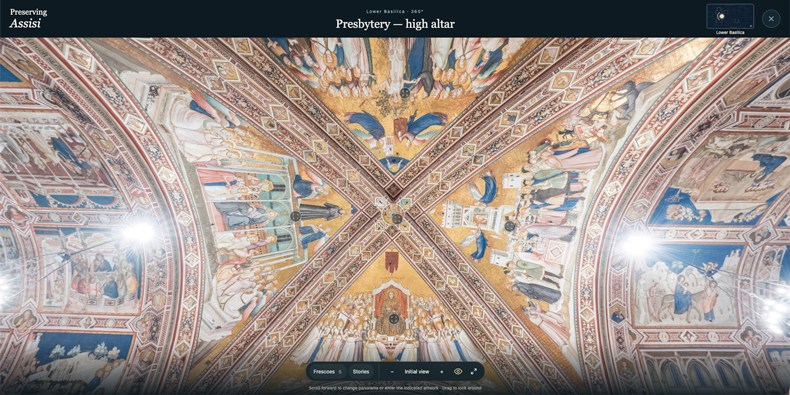
Preserving Assisi
Saint Francis and the photographic technology company Haltadefinizione have marked the occasion by launching a digital replica of the Basilica of Saint Francis in Assisi, where he is buried. Using gigapixel photography and 3D scans, Haltadefinizione has created a detailed record of the Umbrian church’s architecture and paintings; the digital image of Lorenzetti’s Crucifixion (c. 1320) contains nearly eight billion pixels.
The winner will be announced on 19 November.
The Shortlists | Artist of the Year | Museum Opening of the Year | Exhibition of the Year | Book of the Year | Acquisition of the Year