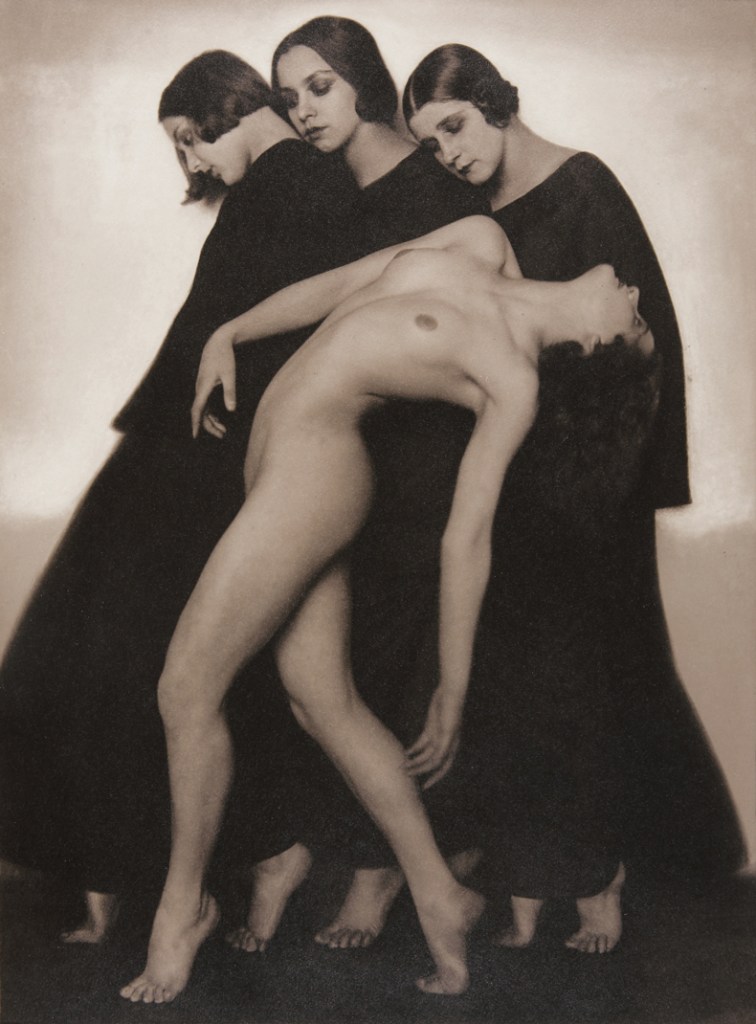
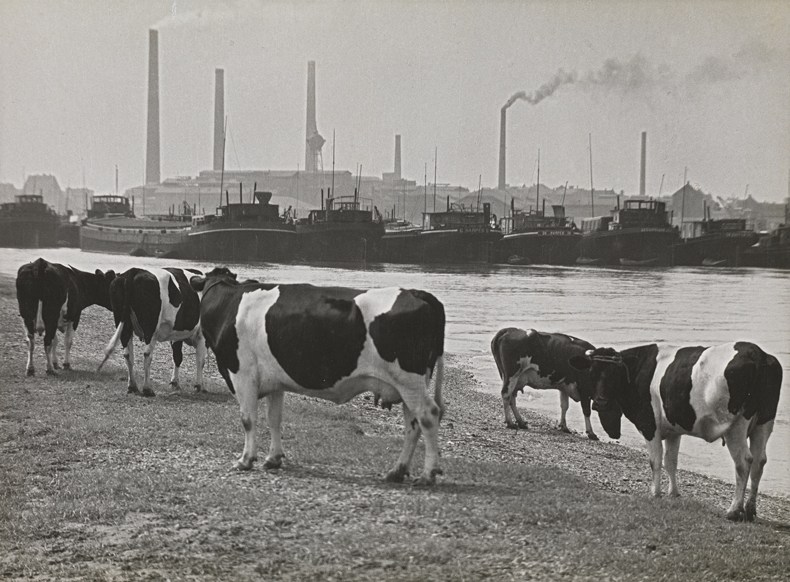
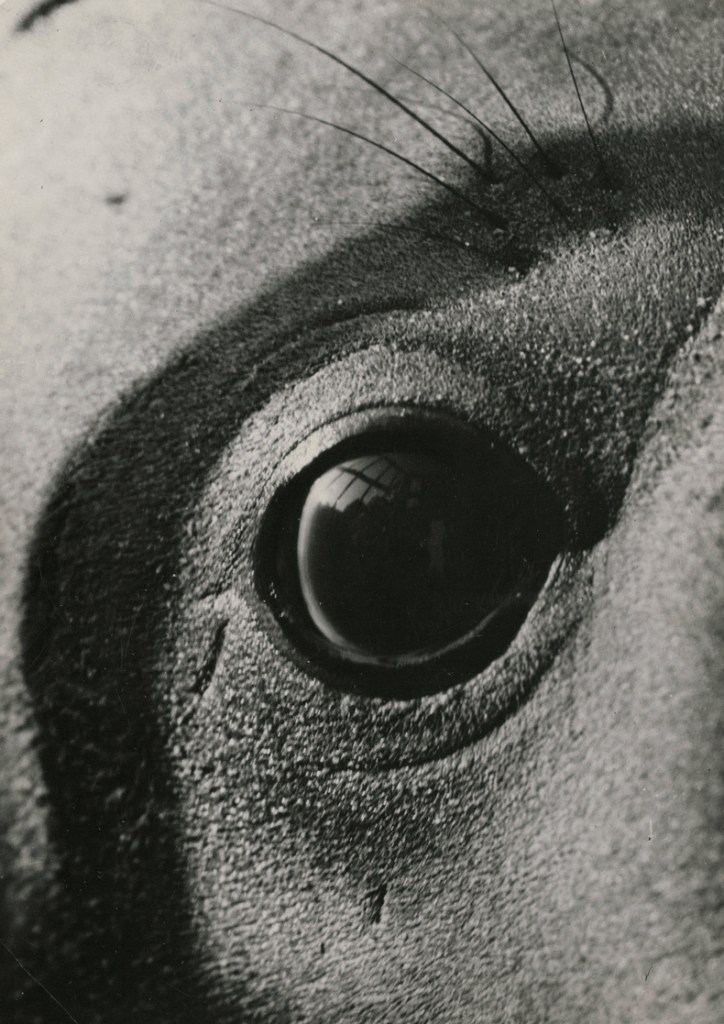
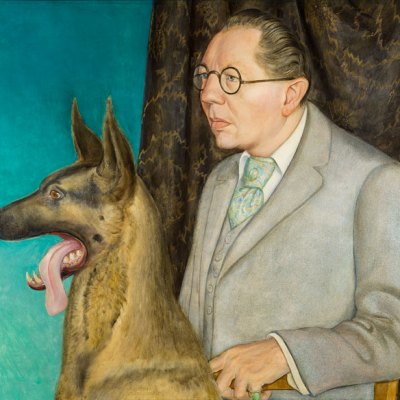
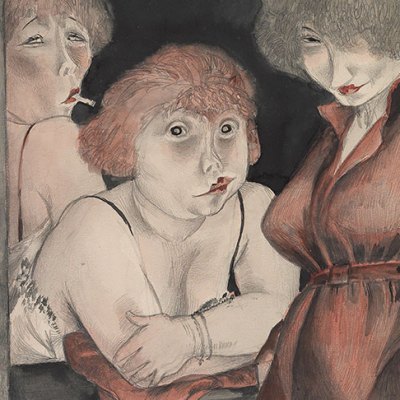
In the years after the First World War, the art photography that had been prevalent since the birth of the medium – in which composition and lighting were carefully controlled, often to luxuriant effect – gave way to a starker, pared-back, more immediate style. A similar approach was taking hold more widely, including in painting and literature, and in 1925 the critic and curator Gustav Friedrich Hartlaub came up with the term ‘New Objectivity’ to describe the post-Expressionist visual culture that was putting down roots in Weimar Germany. The movement gives its name to this exhibition at the Leopold Museum in Vienna, which explores how modernist photography flourished in Germany and Austria until the Nazis came to power (13 November–28 February 2027). Highlights include work by August Sander, Alfred Ehrhardt and the Austrian photographer Trude Fleischmann, who came to prominence in 1925 when her nude shots of the dancer Claire Bauroff were confiscated by police in Berlin.
Find out more from the Leopold Museum’s website.
Preview below | View Apollo’s Art Diary