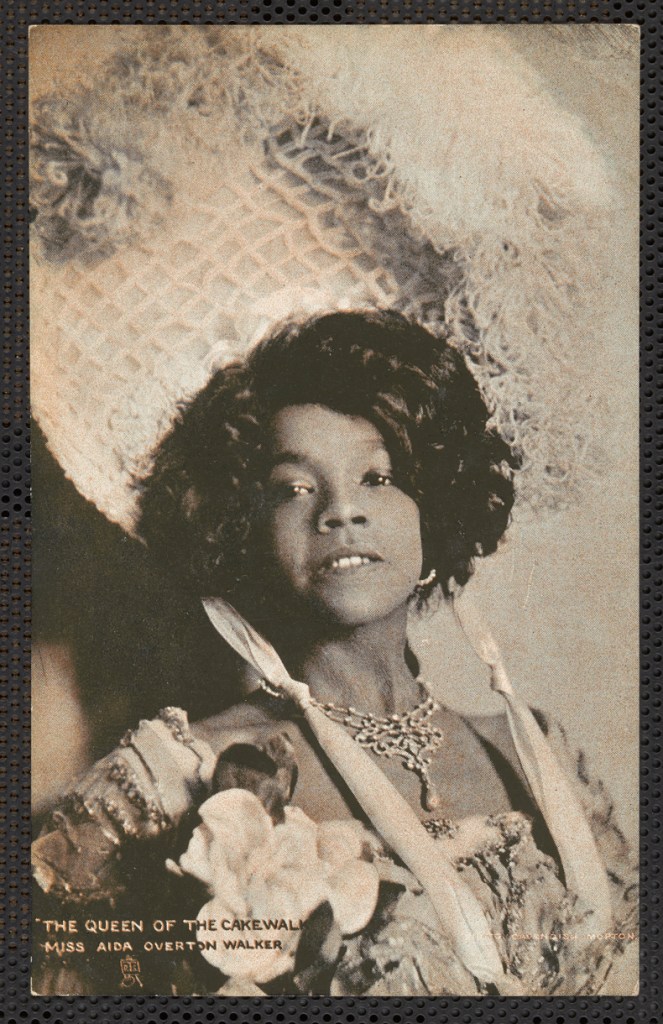
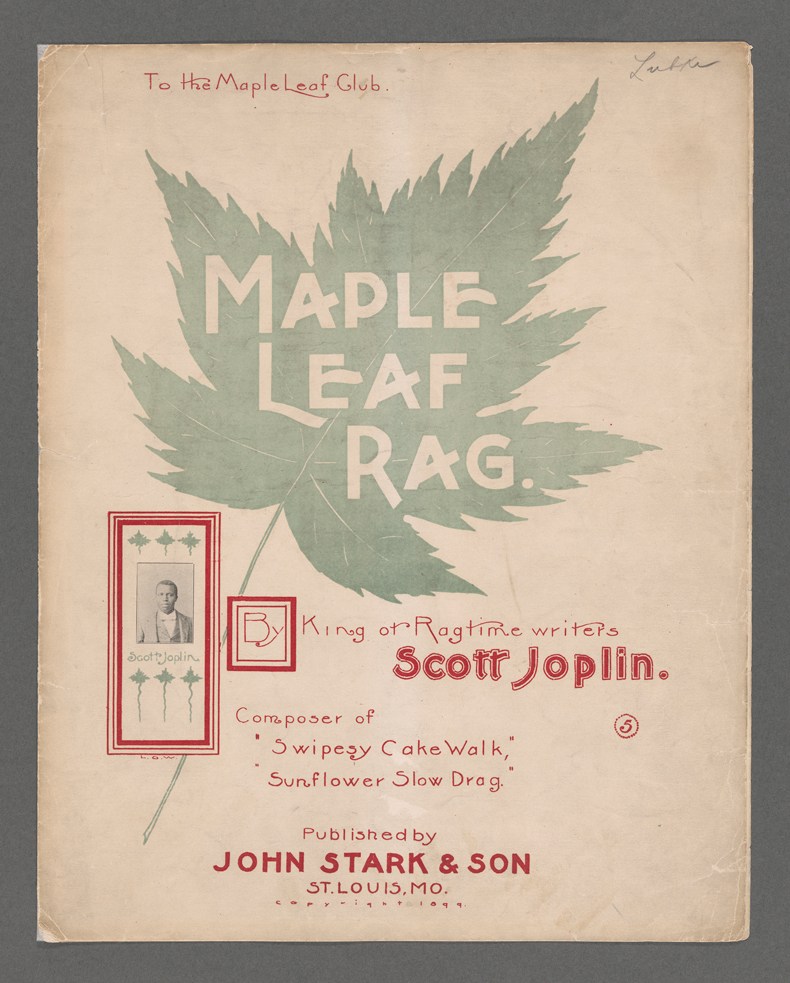
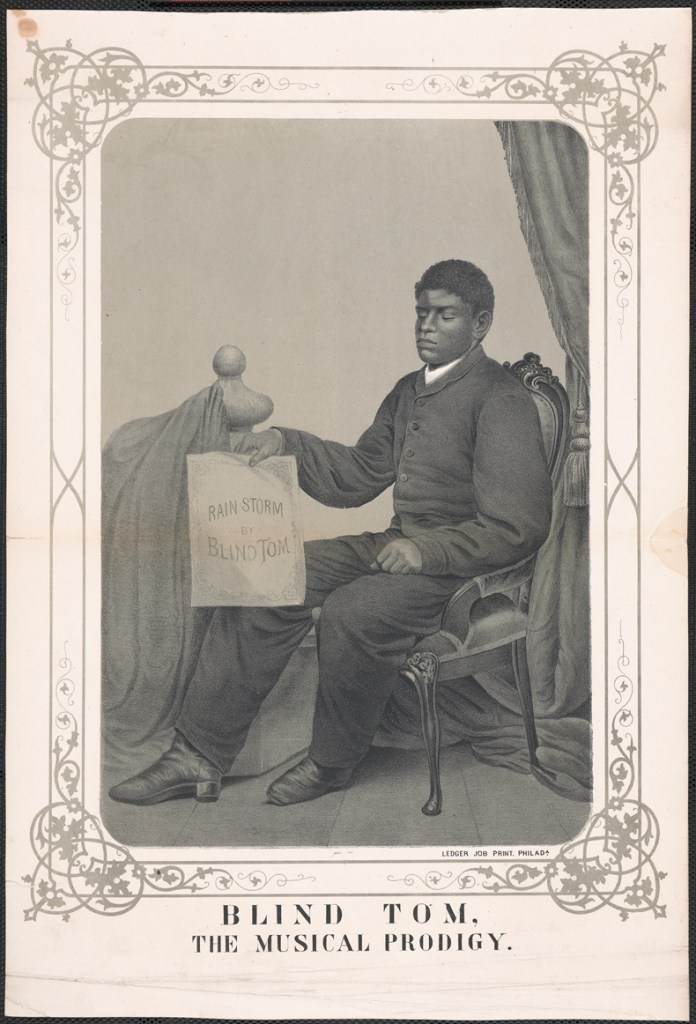
Popular music as we know it today would not exist without ragtime. Its syncopated rhythms were a major influence on the guitarists who would shape the blues in the late 19th century, and its sprightliness and sense of harmonic freedom laid the foundation for early jazz. The Morgan Library & Museum – which holds a significant collection of work by and objects relating to Scott Joplin (1868–1917), the best-known exponent of ragtime – is exploring the origins and development of the genre, beginning not with the midwestern saloons of the 19th century, where the music is thought to have originated, but with 18th-century African American musical traditions. It continues with sections on minstrelsy and on Joplin – including a contract for ‘Maple Leaf Rag’ that reveals that, unusually, Joplin received a royalty for his work – and also explores how ragtime came to influence dress, fashion and popular culture more widely (13 November–13 June 2027).
Find out more from the Morgan Library & Museum’s website.
Preview below | View Apollo’s Art Diary