National Gallery, London
Three works by Angelica Kauffman, Ferdinand Hodler and Alexandre Calame
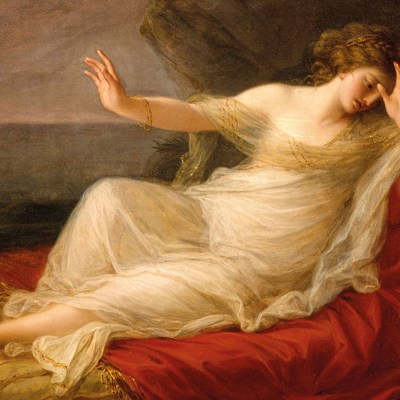
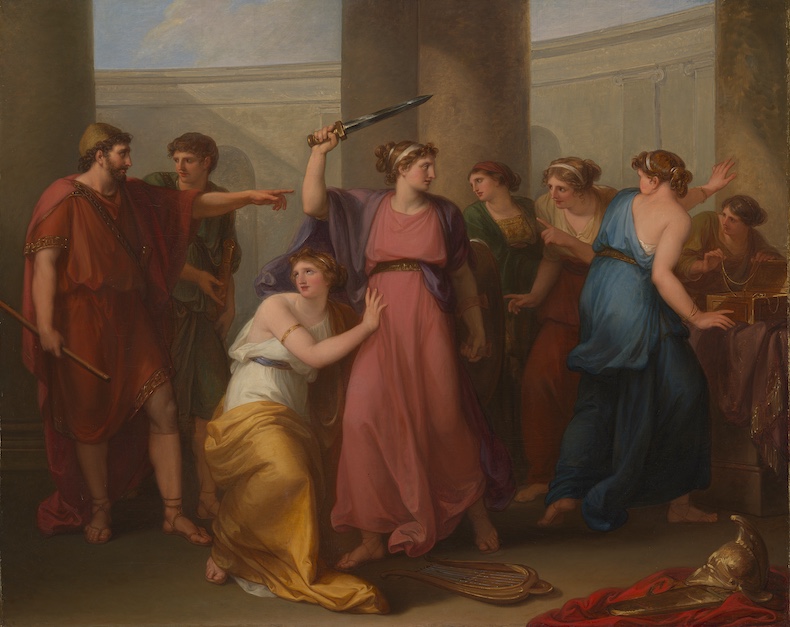
The Dallas-based collectors Richard and Luba Barrett, who have amassed a substantial collection of Swiss art from the 14th to the 20th centuries since the 1990s, have given three paintings to the National Gallery in London. The most significant of these is a modello, or oil study, for a painting that Angelica Kauffman made for Catherine the Great, depicting a scene narrated by Publius Papinius Statius in the Achilleid (c. 94–96 AD), in which the identity of Achilles, disguised as a woman, is revealed by Ulysses. It was produced in Rome and becomes the first painting by the artist to enter the National Gallery’s collection – excluding a work bequeathed to the museum in 1835 that is presumed to have been destroyed in the Plymouth Blitz of 1941. The other works are a striking portrait of a librarian named Louis Montchal by Ferdinand Hodler (1885), a modernist who was much in demand in Switzerland during his lifetime but has only in recent decades had a critical revival elsewhere; and a detailed study of four oak trees made sometime before 1850 by Alexandre Calame, one of the pre-eminent Swiss landscape painters of the 19th century.
Neue Galerie, New York
More than 1,000 postcards produced by the Wiener Werkstätte
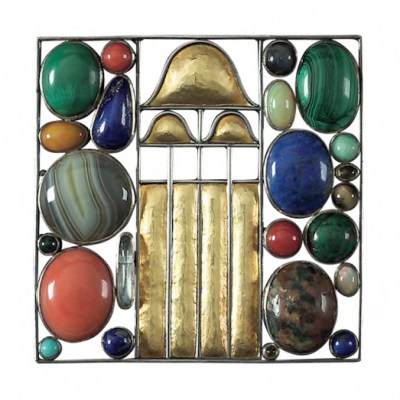
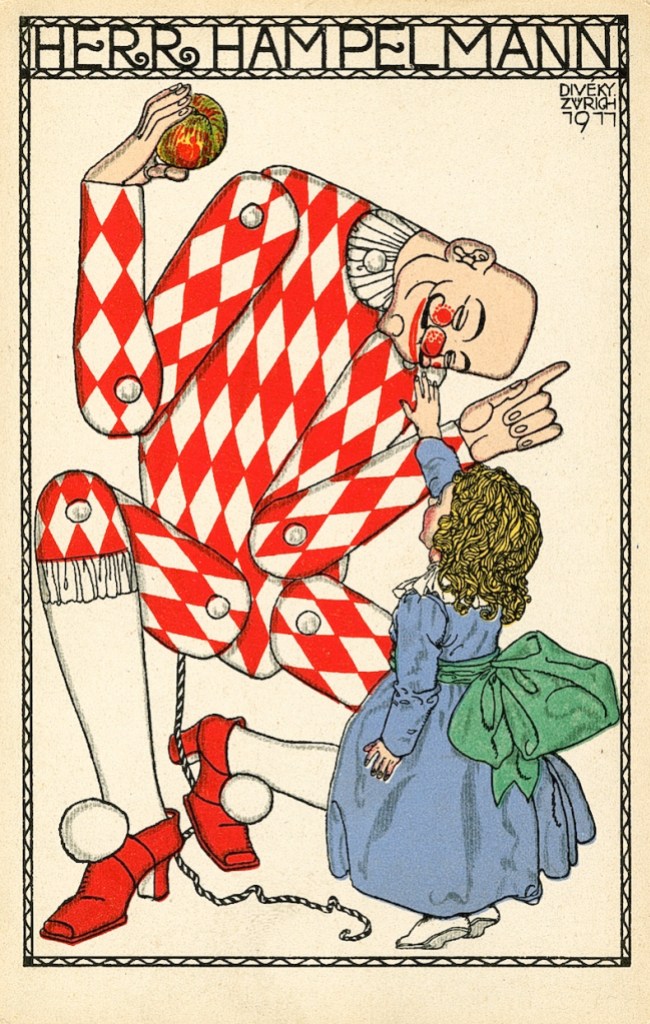
The Wiener Werkstätte (‘Viennese Workshop’) was born out of the creative atmosphere of the Vienna Secession and between 1903 and 1932 produced some of the most thrilling and skilfully designed pieces of decorative art anywhere in Europe, from ceramics and posters to metalwork and textiles. In 1907 the workshop capitalised on the new craze for sending postcards by producing its own series and, although millions were printed, nowadays many of the designs are rare and coveted by collectors. The late Leonard Lauder, whose brother Ronald founded the Neue Galerie in 2001, collected thousands of these postcards, which are full of colour and visual inventiveness, and the museum has now announced a gift from his estate of more than 1,000. Some of the postcards are currently on display at the Jewish Museum as part of its exhibition about the women who worked at the workshop, but many will be included in the Neue Galerie’s own exhibition celebrating its 25th anniversary later this year.
Detroit Institute of Arts
More than 2,000 works of modern and contemporary art
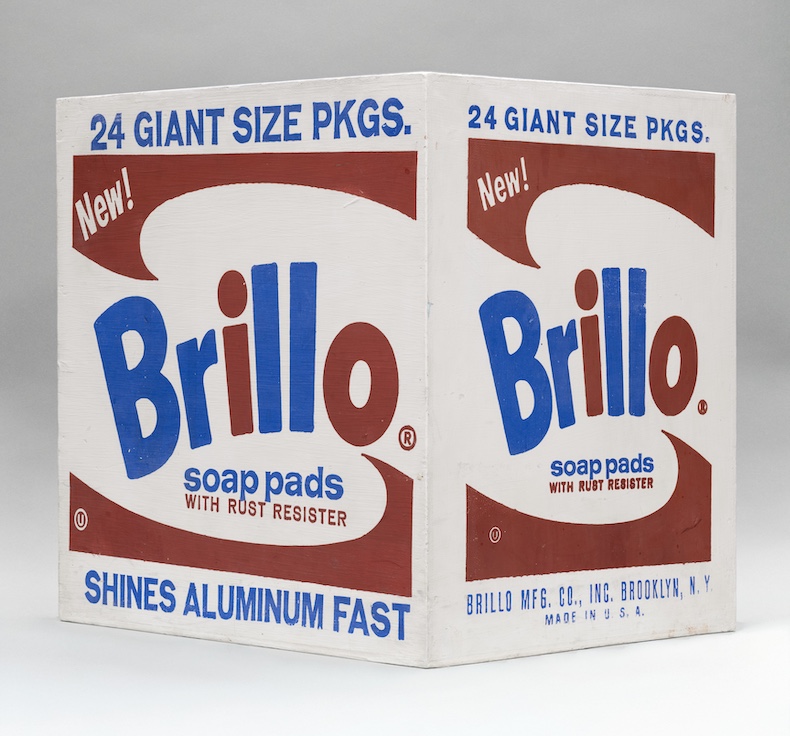
In 2013 the city of Detroit filed for bankruptcy and there were plans for the collection of the Detroit Institute of Arts – which includes such masterpieces as Bruegel’s Wedding Dance (1566), Fuseli’s The Nightmare (1781) and works by Whistler, Gauguin, Van Gogh, Picasso and other 19th- and 20th-century greats – to be sold off to repay the city’s debts. Things have changed since: the donation of more than 2,000 works of modern and contemporary art to the museum by the local art collectors Gilbert and Lila Silverman is testament to the uptick in the museum’s fortunes. The gift includes pieces by some 500 artists, including Diego Rivera, René Magritte, Meret Oppenheim, Diane Arbus, Andy Warhol and Jenny Holzer.
Tate/National Galleries of Scotland
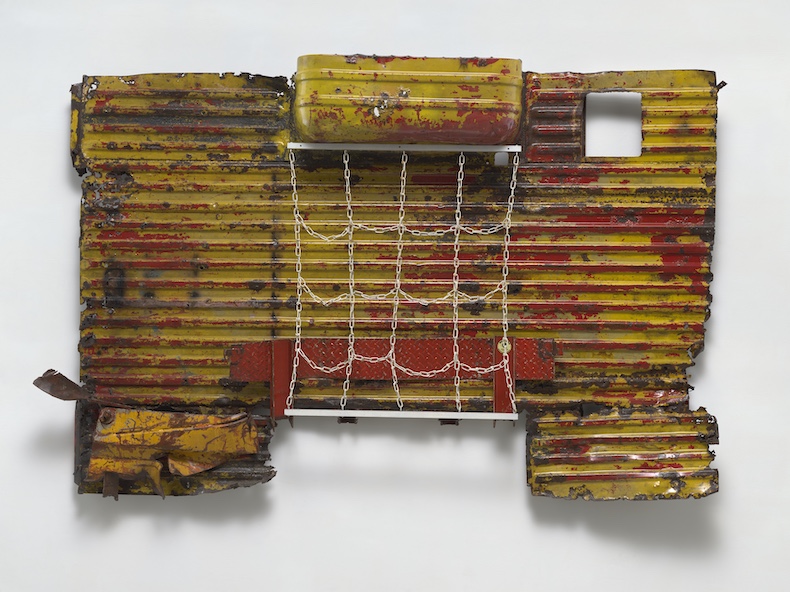
Three Glut works (1986–87) by Robert Rauschenberg
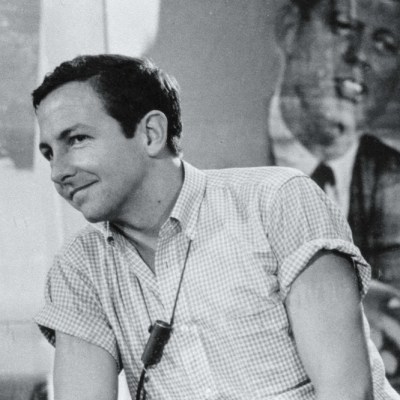
With his Combines, Rauschenberg cemented his reputation as one of the greatest exponents of found objects of the 20th century, affixing ephemera to canvas in thrilling and surprisingly harmonious ways. His series Gluts (1986–89/1991–94) used found objects too, but in an even purer way: no longer bound by canvas, here Rauschenberg would take scrap metal found in a junkyard outside Fort Myers, Florida, and bring them together in sculptural installations that he said were a response to consumer culture. The Rauschenberg Foundation has donated three Glut works to Artist Rooms, a collection run by the Tate and the National Galleries of Scotland, including the pleasingly titled Rasputin’s Revenge Early Winter Glut (1987), an assemblage of yellow-painted corrugated metal panels adorned with chains. The sculptures will be shared between the two institutions and will be shown first at Tate Modern from September to the end of 2027.
Spanish ministry of culture/Provincial Museum of Guadalajara
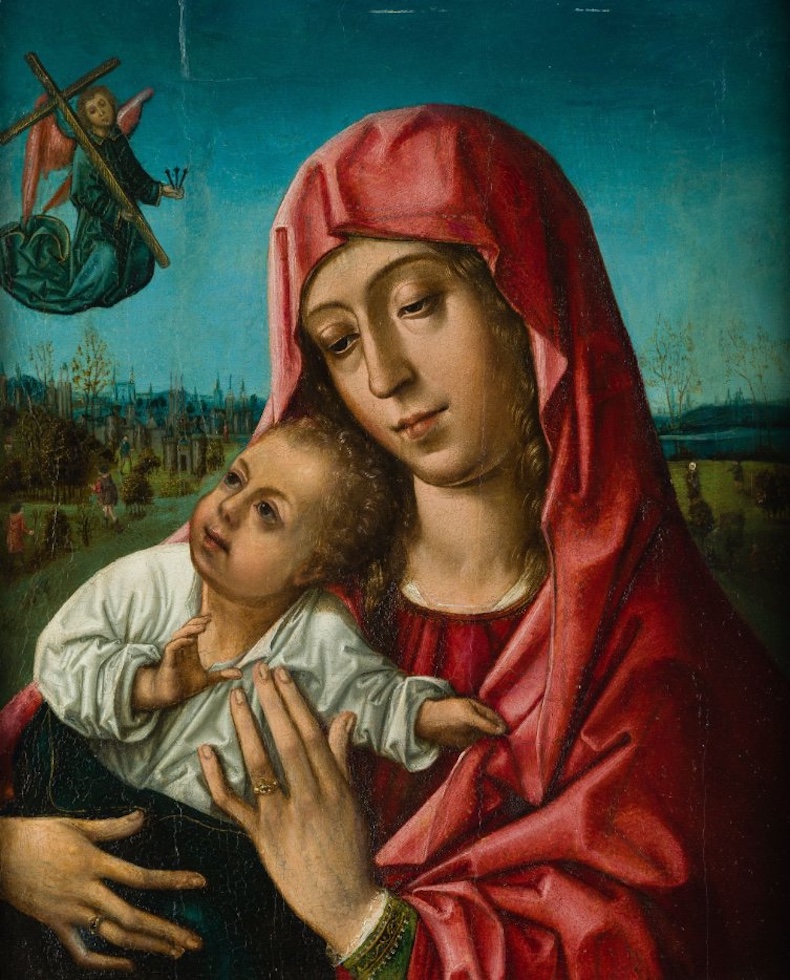
Virgin and Child (15th century), Maestro de los Luna
The Maestro de los Luna is the name given to a painter – or perhaps two painters – in Toledo in the late 15th century, associated with the Luna family and the creator of the monumental altarpiece in Toledo Cathedral, which was commissioned by María de Luna, Duchess of the Infantado. Few works securely attributed to the artist survive: the altarpiece is the most notable, though the Maestro is also linked with a Lamentation in the Prado, as well as several panels in churches in Guadalajara, Toledo and Braojos. The Spanish culture ministry’s acquisition for only €26,000 of a luminous small-scale panel depicting the Virgin and Child is a significant step in the research into this shadowy figure. The ministry of culture has fittingly earmarked the work for the Museum of Guadalajara.