Art Gallery of Ontario, Toronto
More than 450 works of modern art from the collection of Carol and Morton Rapp
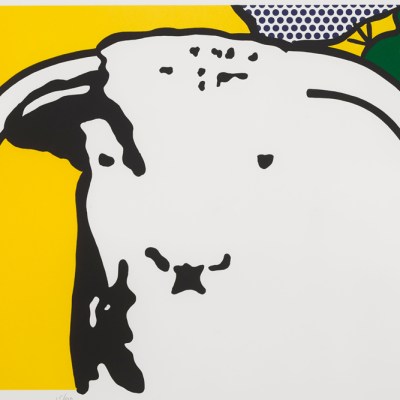
Carol and Morton Rapp began collecting prints in the 1960s and, until their deaths in 2023 and 2024, respectively, they had a close relationship with the Art Gallery of Ontario in their home city of Toronto, donating almost 500 works to the museum in their lifetime. This latest, posthumous gift comprises more than 450 artworks by modern and contemporary artists. Highlights include 13 screenprints by Andy Warhol (including four of his Marilyn Monroe works); eight works by Robert Rauschenberg and nine by Jasper Johns; a lithograph from 1964 by Barnett Newman, which is the first work by the artist to enter the AGO’s collection; and a variety of etchings, lithographs, drawings, photographs and more by Roy Lichtenstein, David Hockney, Claes Oldenburg, Rachel Whiteread and other artists.

Frans Hals Museum, Haarlem
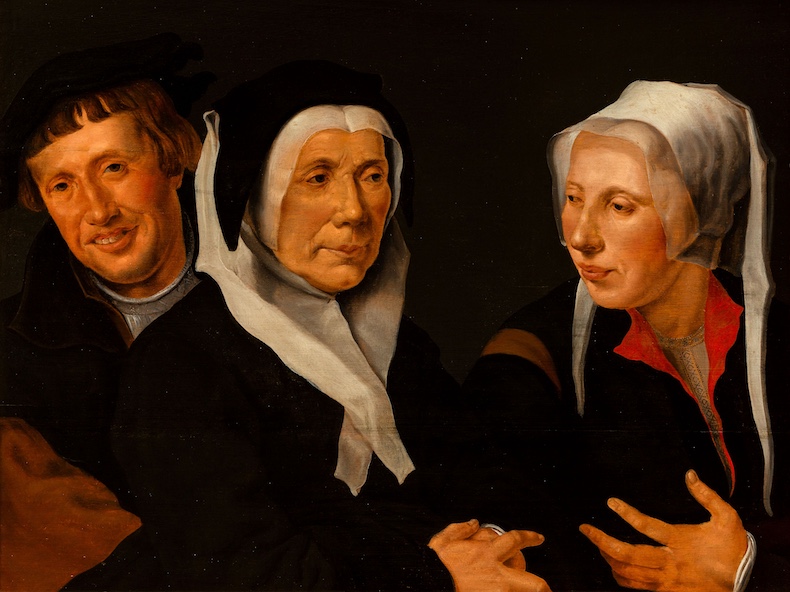
Genre scene (c. 1526–27), Maarten van Heemskerck
If Frans Hals is the most famous artist from Haarlem, then Maarten van Heemskerck has a strong claim to being the city’s first great artist. He was also one of the first Dutch painters to travel to Rome, spending several years there in the 1530s, before returning to his home town. Van Heemskerck is known primarily for his religious works, as well as for the detailed architectural sketches that he produced in Rome, but this painting, recently acquired by the Frans Hals Museum, is a rare find. Produced early in his career, it is neither devotional nor architectural; rather, it is more akin to the genre scenes that would take hold in the following century through Rembrandt, Hals and others. It is a curious, compelling scene, with very little background visible and the expressions on the faces of its anonymous subjects ambiguous.
Gallerie degli Uffizi, Florence
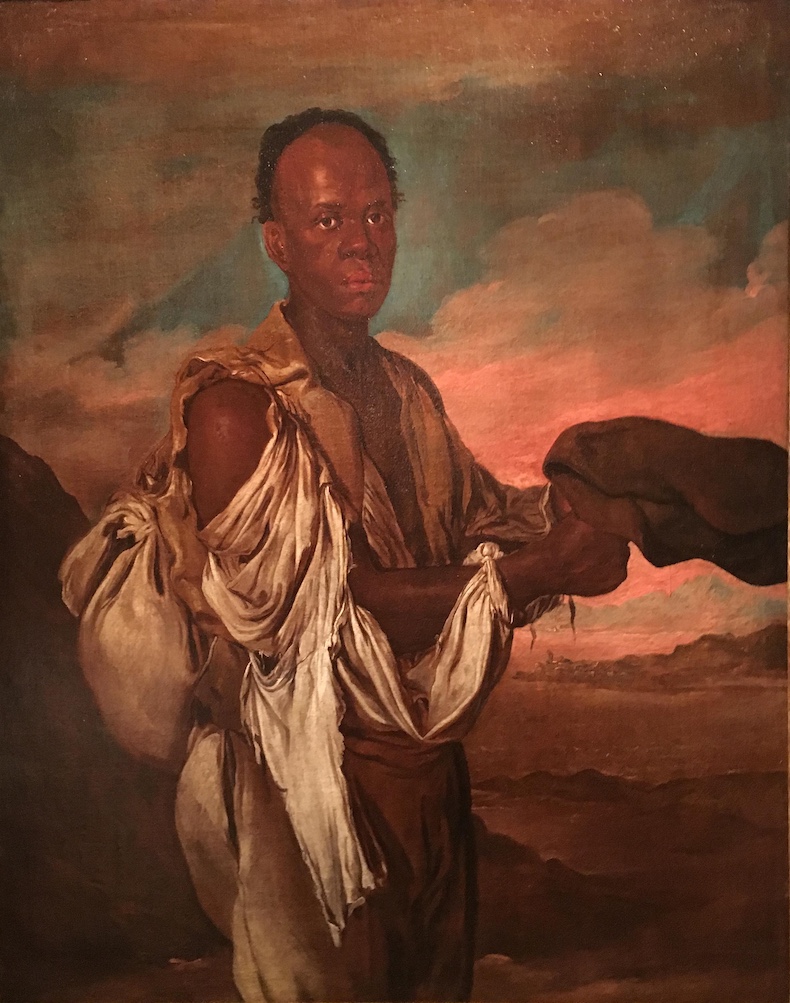
The Moorish beggar (1725–30), Giacomo Ceruti
The Milanese painter Giacomo Ceruti was known for his sympathetic depictions of humble farmers, peasants and vagrants, earning him the nickname ‘Il Pitochetto’, after pitocco, the Italian word for beggar. The Uffizi has acquired a striking painting by the artist, The Moorish beggar (1725–30), which shows an anonymous Black figure clad in tattered robes. Although Black figures were not uncommon in Italian painting at the time, this is one of the earliest known Italian portraits that does not depict a generic type, but most likely a real person Ceruti may have encountered, painted with the same empathy and attention to detail that the artist brought to all his portraits. The Uffizi has until now had only one other work by Ceruti in its collection, the lively Boy with a Basket of Fish, which was produced a decade after this painting.
Musée du Louvre, Paris
Liaisons (2025), Marlene Dumas
The Louvre has acquired a series of paintings by Marlene Dumas, making her the first contemporary woman artist to be represented in its collection. Commissioned for the large atrium wall just inside the Porte des Lions entrance – the gateway to the paintings galleries and the Gallery of Five Continents – Liaisons (2025) comprises nine paintings of distorted, often grotesque or horrifying faces in shades ranging from lurid green to neon yellow, each one matching the dimensions of the marble bas-reliefs that once adorned the same wall. The works, Dumas says, were made with the ‘ongoing genocides of our times’, and historical atrocities, in mind.

Montreal Museum of Fine Arts
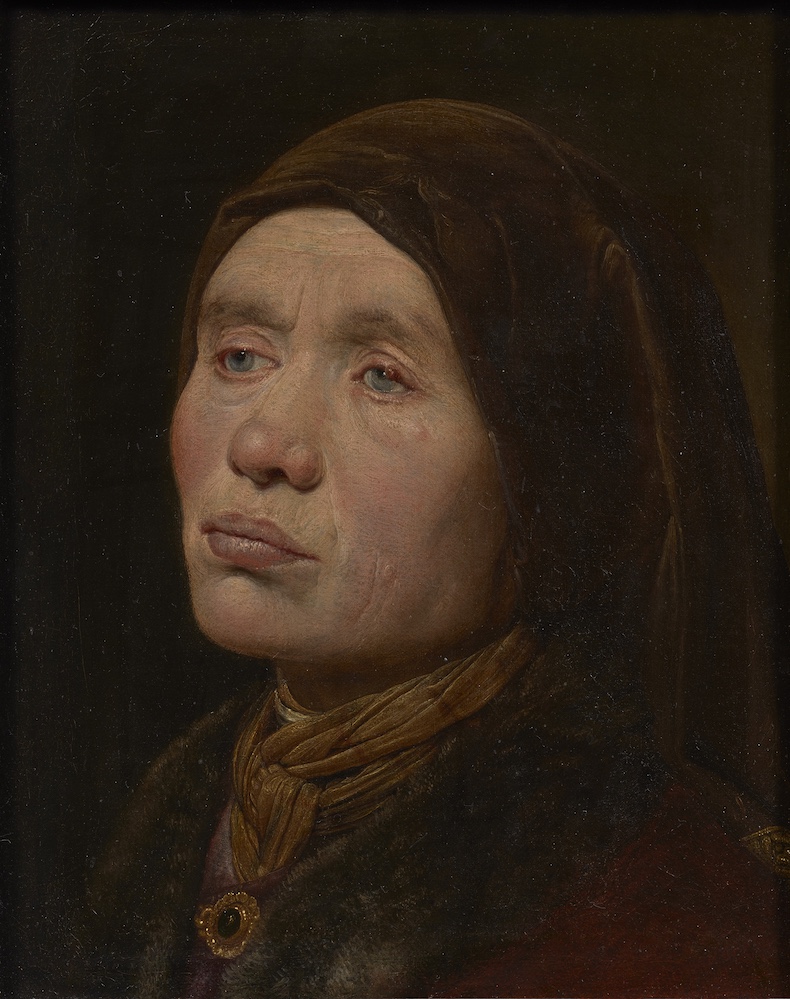
Portrait of a Woman, Facing Left (c. 1650), Monogrammist I.S.
Little is known about the 17th-century artist today identified only by the monogram with which he signed his paintings: I.S. It is thought that he worked in Leiden, though whether his origins were Dutch, Baltic or German is unclear. In his day, though, he was clearly an artist of some renown: his paintings were collected by figures including Archduke Leopold Wilhelm and today can be found in several major European collections. Active from 1632–58, the artist has left behind mostly tronies, which suggests that he was familiar with the work of contemporaries such as Rembrandt and Gerrit Dou. This work, a piercing portrait of an unnamed woman, was bought by the Montreal Museum of Fine Arts at TEFAF earlier this year from the dealer Nicholas Hall.
Dordrechts Museum
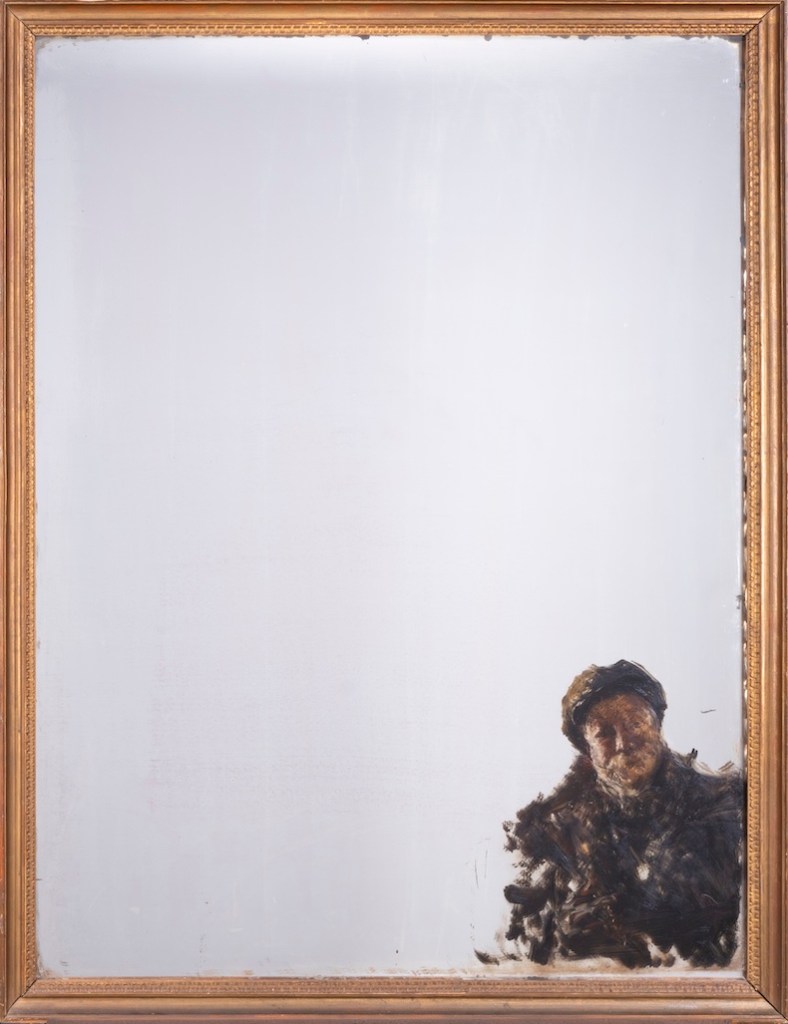
Self-Portrait on a Mirror (c. 1915–18), Antonio Mancini
Dordrechts Museum, one of the oldest museums in the Netherlands, has a substantial collection of 17th- and 18th-century Dutch art, with a particularly strong body of works by the landscape painter Aelbert Cuyp, the city’s most renowned artist. The museum has announced its acquisition of a different kind of work by the late 19th- and early 20th-century Italian artist Antonio Mancini. Regarded by Sargent as the greatest living painter of the day, Mancini was known for his innovative methods, such as incorporating metal and shards of glass into his canvases, as well as a graticola (grille) method of portrait painting; this small self-portrait painted in the corner of a large mirror is a playful work that collapses the boundary between viewer and subject.