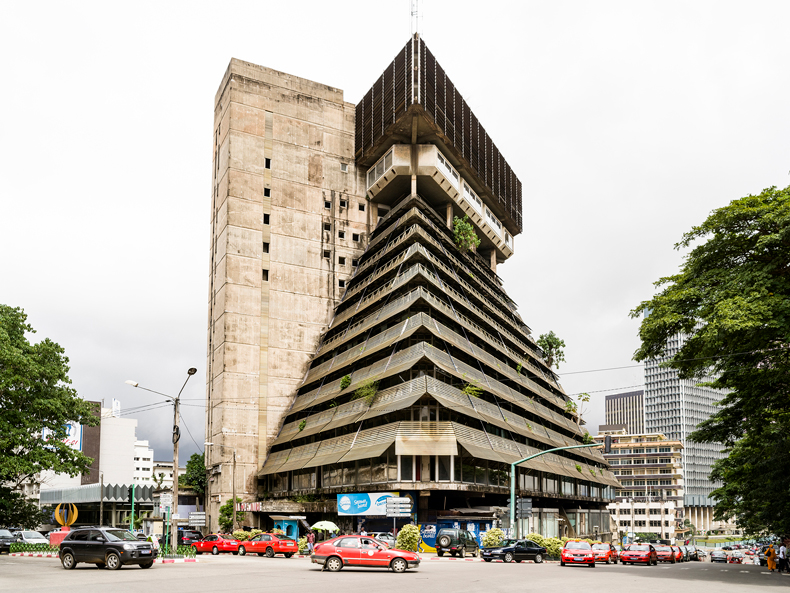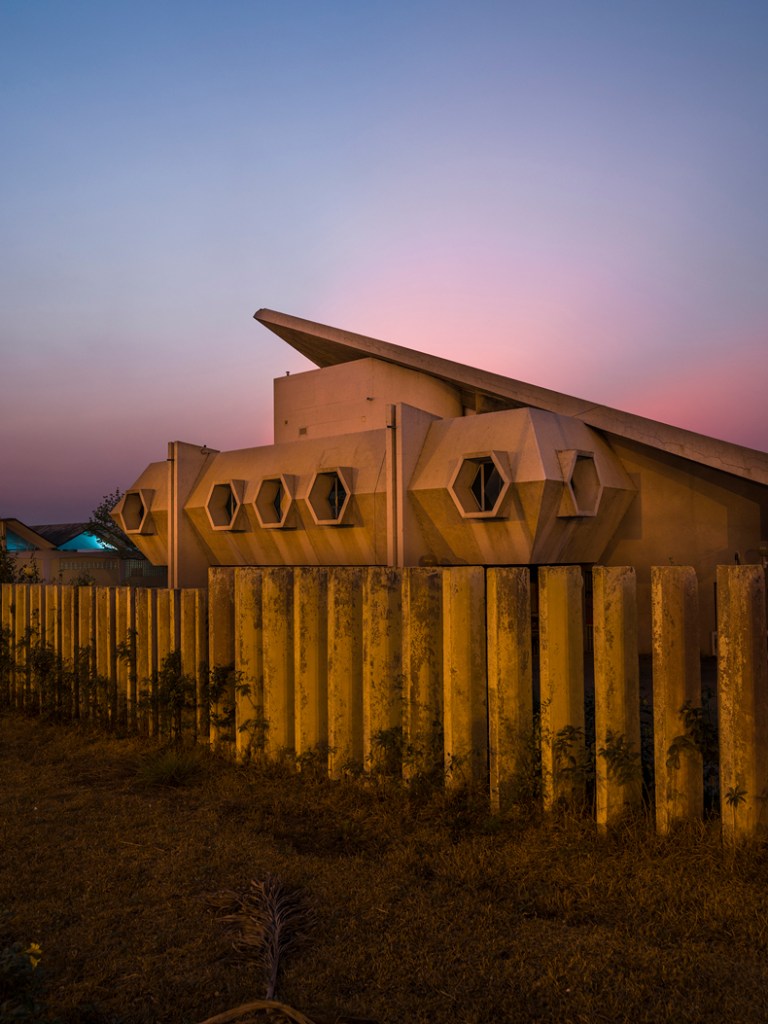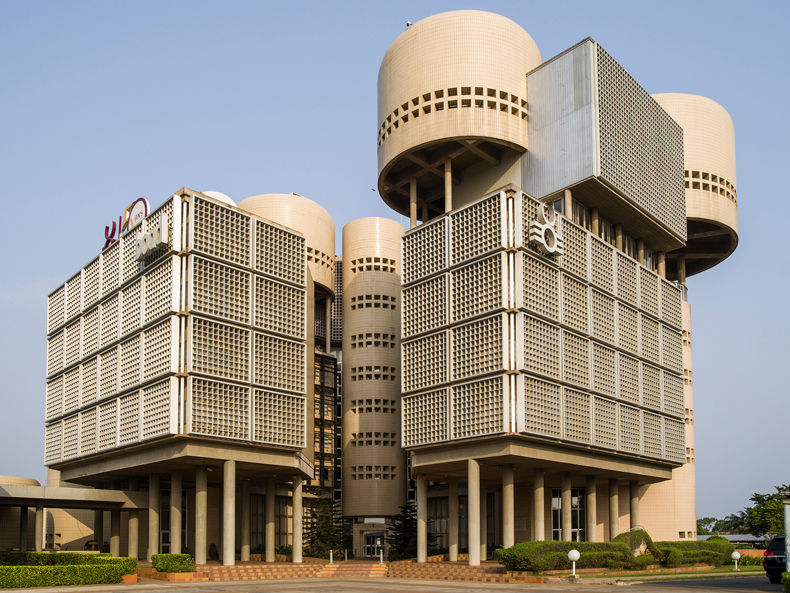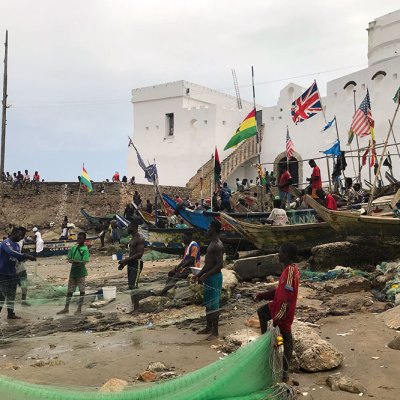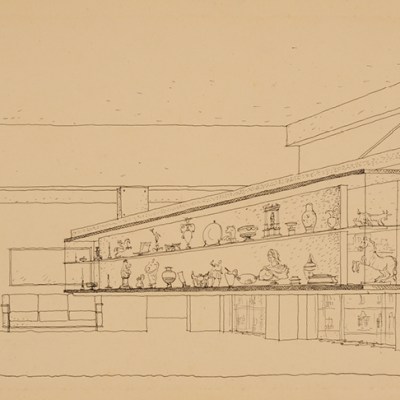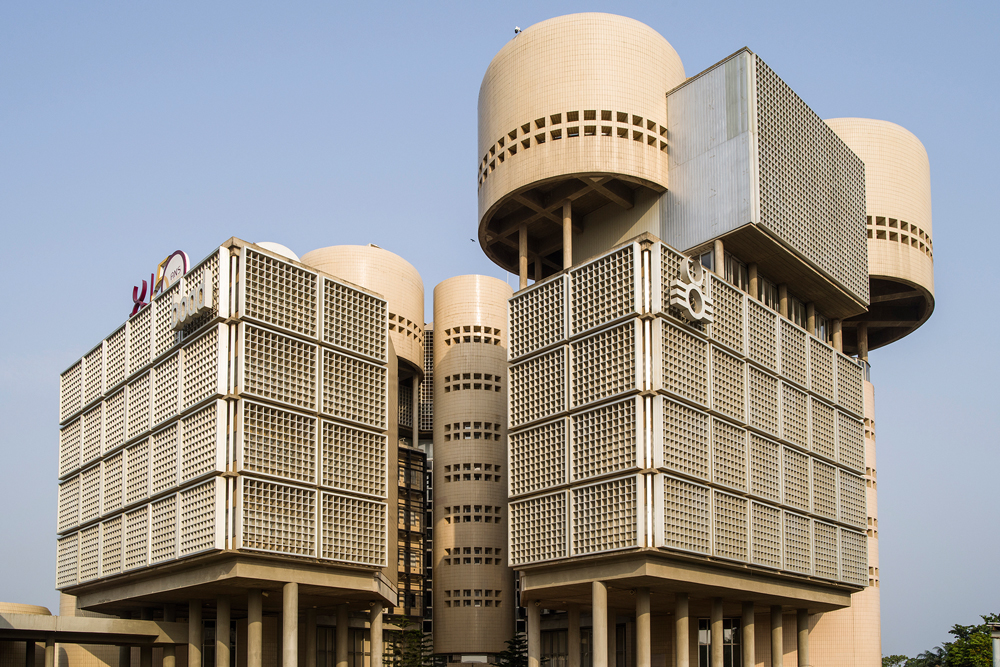
When Ghana declared independence in 1957 it kicked off a wave of decolonisation across the continent, and by 1975 every country in West Africa had wrested sovereignty from its former colonial rulers. The new leaders sought to reimagine what their fledgling nations might look like, not just socially and politically but also in terms of architecture and urban design – and as a result a number of styles developed that marked a conscious break with colonial aesthetics. MoMA brings together hundreds of architectural drawings, models and photographs that have never before been on public view to tell a story of how modernism shaped building design throughout West Africa from the late 1950s to the early ’80s (5 July–2 January 2027). This isn’t modernism as American and European viewers might know it, however: the projects explored here were specific to their environments. Highlights include the Africa Pavilion designed for the Accra Trade Fair in 1967 and Rinaldo Olivieri’s Pyramide (1973), a high-rise that changed Abidjan’s skyline for good.
Find out more from MoMA’s website.
Preview below | View Apollo’s Art Diary