Time seems to flow differently at the European Fine Art Fair (TEFAF) in Maastricht. There’s no pre-ordained path; you can move between centuries in a single open space with no partitions and no hierarchy. One moment you’re in front of a Roman bust, the next you’re looking at a contemporary installation. This eclecticism, and the sense of discovery it brings, is what makes the fair special.
Behind all the beauty and fluidity lies something less visible but no less essential: the systems that allow art to move, to be shared, to be protected as it travels. Underpinning these systems is insurance, which is not just about safeguarding value: it’s about making movement and connection possible, and making sure that art gets seen.
Protecting the unique
To protect art is to protect what cannot be replaced. Our role is not simply to assess value but to understand the essence of what is being insured. AXA XL works closely with private clients, galleries, museums, institutions and foundations, and every collaboration begins with listening: what matters most? What is the story of this artwork? Where has it been – and where will it go?
AXA is fluent in two languages: that of the art world and that of risk management. Many of us have backgrounds in art history, conservation or auction houses; others bring deep expertise in insurance, logistics and global compliance. Together we provide not just protection but peace of mind. We support collectors at every stage, offering streamlined coverage and crafting fully bespoke policies shaped by the nature of their collection.
Art is an asset unlike any other
Protecting these unique assets for future generations requires specialised expertise. The art world never stands still: it shifts with geopolitics, technology, culture and taste. A surge of interest in Old Masters might be followed by a renaissance in digital art. New buyers emerge from new regions, with new priorities and visions. The pandemic redrew the map, accelerating digital access and inviting a new generation of collectors into the fold. These collectors, especially in Asia, have a more fluid and global approach. As Global Lead Partner of TEFAF Maastricht and TEFAF New York, we witness this evolution every day, and understanding it fully requires agility, insight and imagination.
The challenge of borders
Today, a single artwork might be stored in Geneva, loaned to Seoul, sold in London and insured in Paris. The logistics are intricate, the risks are real and the stakes are high. That’s why global presence matters. With teams across Europe, Asia-Pacific, the UK and the United States, we can pre-empt challenges and ensure consistency in a world where fragmentation is costly.
We see this at fairs like TEFAF in Maastricht, where we strengthen our network and deepen trust. Because in the art world, relationships are everything and reputation is built not just on expertise, but on discretion, empathy and results.
A quiet market
Perhaps the greatest challenge is perception. Some collectors hesitate to insure; they fear complexity, cost or bureaucracy. But in truth, the right coverage is simple, proportionate and liberating.
We’re not competing with other insurers. We’re competing with the reluctance to insure, or the bad impression left by poorly adapted coverage that turns a small incident into a devastating loss. That’s why we aim higher. With our bespoke service, we want to make protection not a burden but a natural extension of collecting itself.
One last thought
Art tells stories we might otherwise forget. When we protect it, we are not only protecting pigment, paper or bronze: we are also protecting memory, identity and continuity. We are protecting the very things that remind us of who we are.
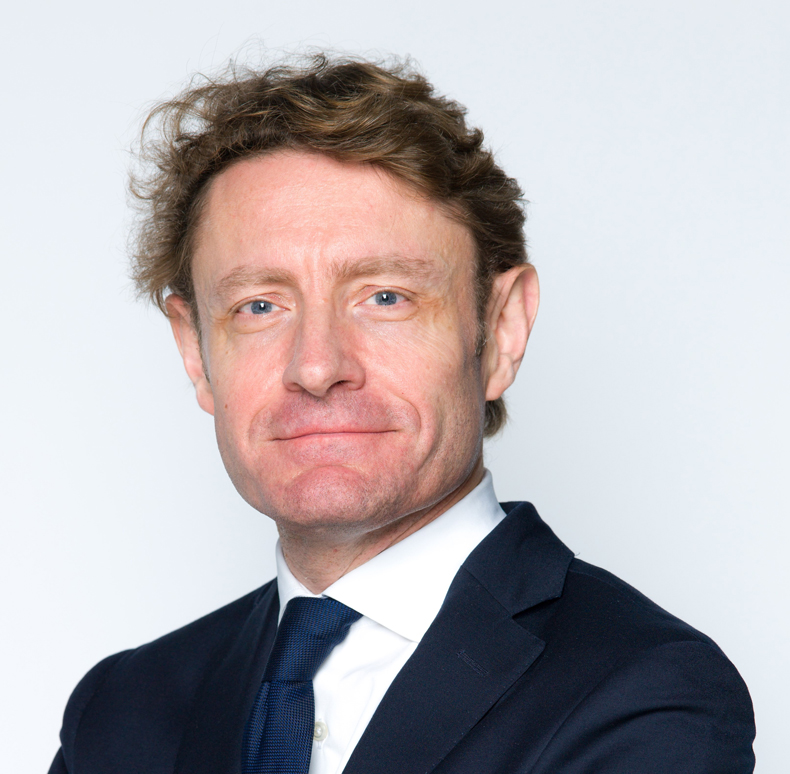
Philippe Bouchet is the head of art expertise, APAC & Europe, at AXA XL.