One of the earliest depictions of an artist’s studio is a 1543 engraving by Enea Vico of Baccio Bandinelli’s Florentine art-school-cum-workshop, a print that has long fascinated art historians. In the middle years of the 19th century, in two articles in Le Magasin Pittoresque, Edouard Charton, disturbed by the changing atmosphere of studios, sharply contrasted those of Italian artists of the 16th century and those of Paris in 1849. Characterising the Renaissance workshop as a ‘sanctuary of art’ and a place of studious quiet devoted to the ‘cult of beauty’, he reproduced as evidence details from Vico’s engraving. Here, Charton suggested, reverence for the master and a combination of inspiration and application resulted in the creation of High Art. His powerfully contrasting illustration of a studio of ‘our times’ reveals a scene of ‘tumult, disorder [and] licentiousness’ in which a contemporary painter attempts to concentrate in the midst of a louche and chaotic crowd of hangers-on who chat, smoke, play a guitar and engage in a boisterous fencing match.
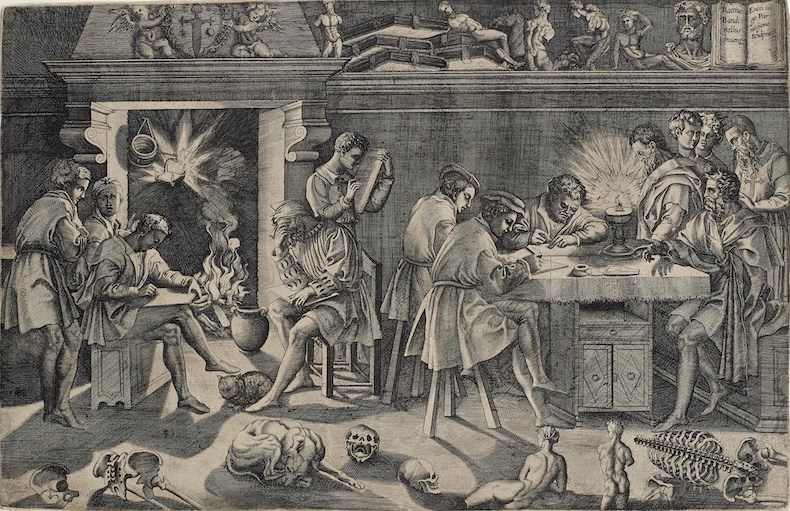
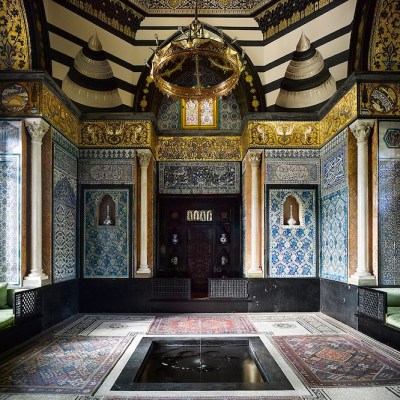
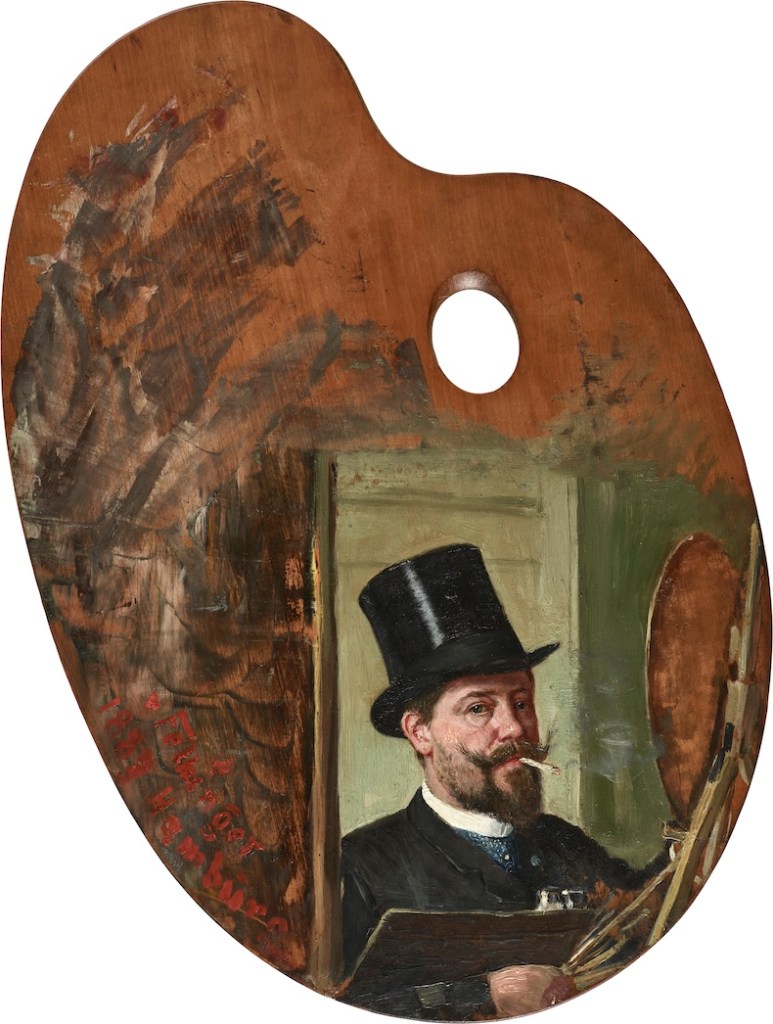
It is undoubtedly true to say that both ideas of the studio – of the sanctity and seriousness of those of past eras or the bohemian decadence of their counterparts in modern times – are equally exaggerated, coloured by the prism of romanticised 19th-century notions of the artistic life. But by the later 19th century, both these versions of reality had seized the public imagination and made depictions of studios highly popular subjects. Vico’s engraving is the oldest image shown in ‘Magic and Mess: The Artist’s Studio Revealed’ – the final event staged to celebrate the centenary of the establishment of Frederic Leighton’s former studio-house in west London as a public museum. This exhibition, which focuses on the 19th century and includes some 50 paintings, sketches and prints depicting artists’ studios, is a fitting culmination to the far-reaching restoration and reimagining of this celebrated ‘palace of art’ that has taken place over the last five or six years.
With the exception of a few loans from other sources, the works exhibited all come from the collection of scholar-dealer Katrin Bellinger, who since the late 1980s has assembled portraits and representations of artists at work and their studios. A particular strength of the Bellinger collection is its inclusion, in addition to significant works by British artists, of many fine paintings and sketches by the sort of European artists whose work is hardly represented in UK collections. Throughout this exhibition, images by well-known artists are cleverly juxtaposed with works – many of considerable quality – by less familiar figures.
The curators of ‘Magic and Mess’ have selected and hung the works in such a way as to question just what exactly is being represented in these images – reality or a construct? Up in the Verey Gallery, the arrangement of the exhibits in four distinct if loosely defined sections helps here, but we do not lose sight of a central narrative charting the ways in which by the second half of the 19th century popular interest in visiting the studios of leading artists led to them becoming increasingly public, almost performative spaces. Like stage sets, the ever more richly appointed studio houses of the period – of which Leighton House is the best surviving example – also tell us much about the seemingly inexorable rise in the status of artists.
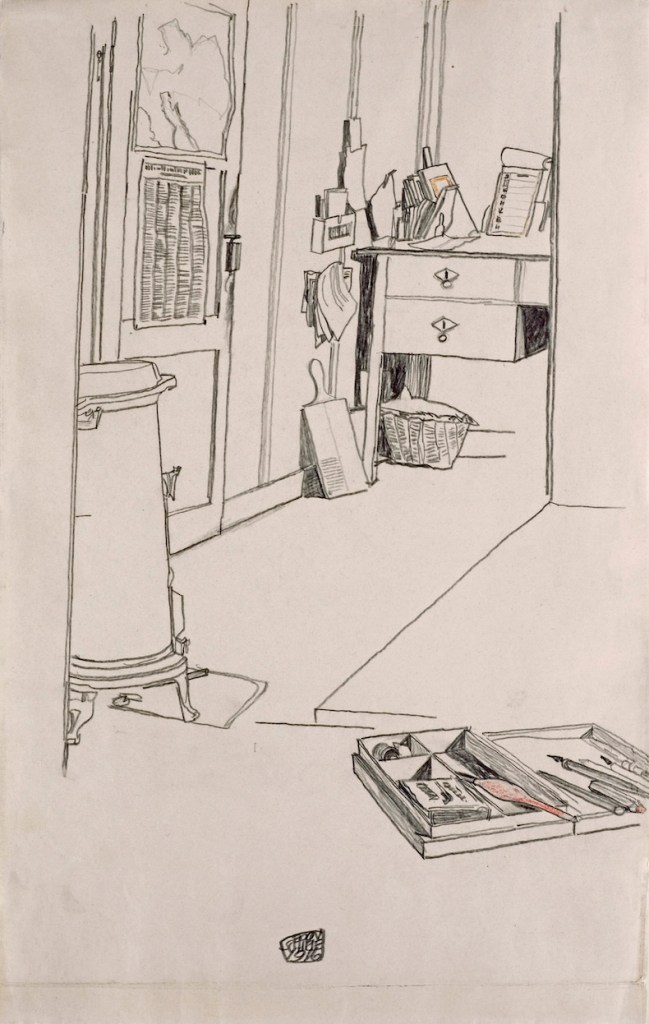
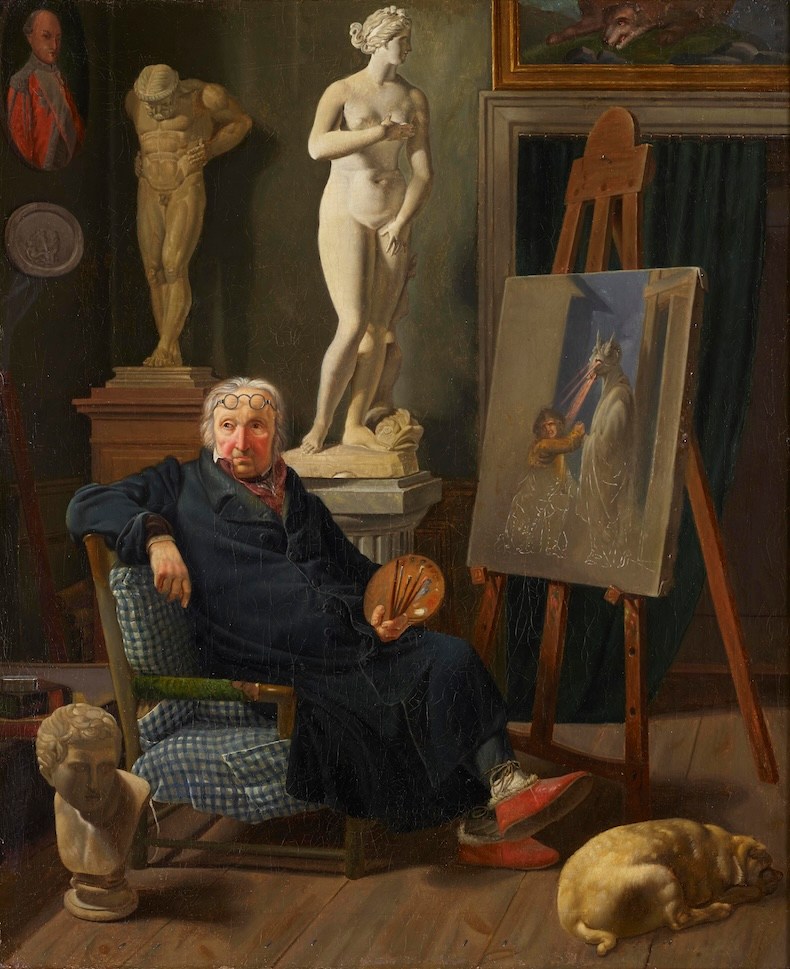
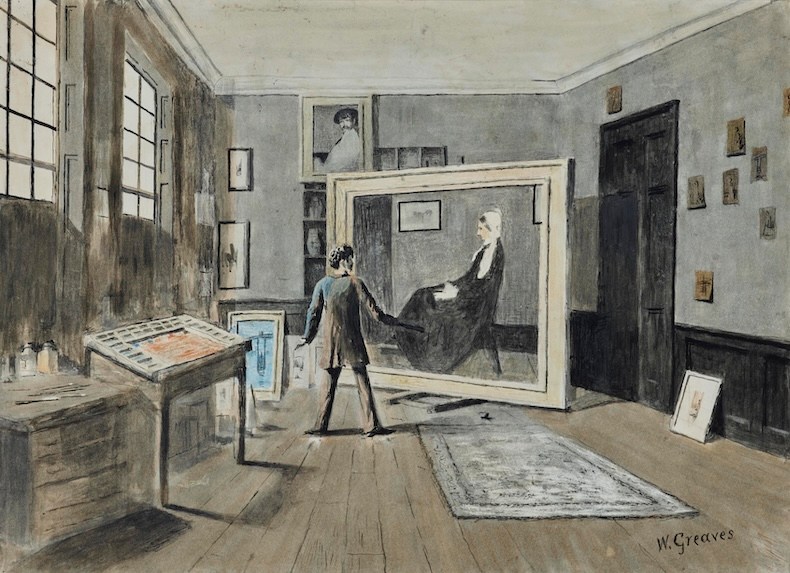
Setting the scene for this narrative, an introductory group of works includes a striking, finely detailed 1827 portrait by Martinus Rørbye of his mentor, the Danish Golden Age painter C.A. Lorentzen. Next comes a group representing the importance of ‘The Stove’, that totemic symbol of the frugal existence of poorer artists in cold studios. This is the world of Mürger’s perennially popular tales of La Vie de Bohème. Here the star works are an early oil sketch by Cézanne from the National Gallery and a large, superbly confident pencil drawing by Egon Schiele. The subsequent themed groups offer a less austere view of studio life. The section on ‘Windows and Mirrors’ features a poignant recollection of James McNeill Whistler at work on Arrangement in Grey and Black No. 1 (akaWhistler’s Mother), painted by his follower Walter Greaves, still star-struck many years after his dismissal by ‘the Master’. But the section is dominated by one of William Orpen’s most bravura performances, his 1920s self-portrait in the act of painting a model, lit by sparkling, fractured sunlight through the venetian blind of his South Kensington studio’s six-metre-high window.
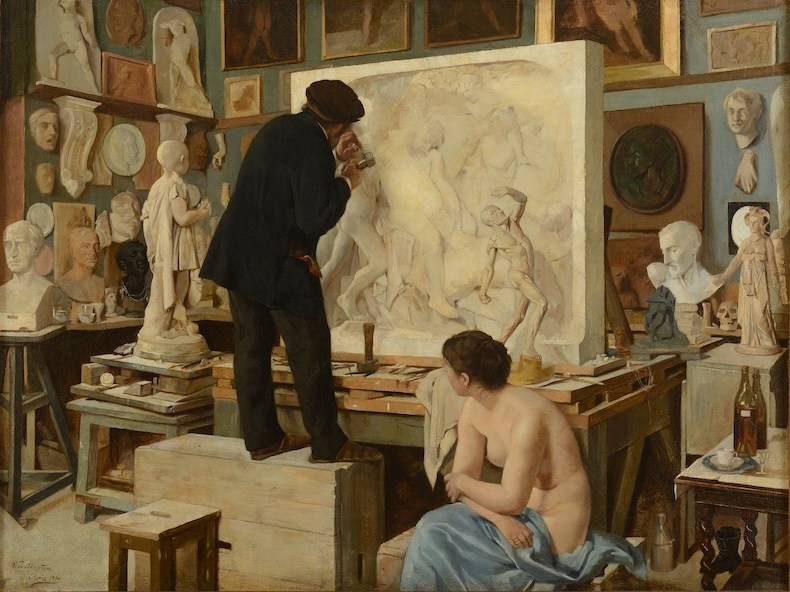
Further depictions of models – especially women sitters – either posing or relaxing form the next group. A remarkable large oil by Édouard Joseph Dantan, A Corner of the Studio (1880) shows the painter’s father, the sculptor Antoine-Laurent Dantan, at work watched by a resting model. It suggests the easy intimacy of studio life that piqued the fascination of a 19th-century bourgeois public, often, it might be said, with a touch of prurient curiosity. The final group of works explores the cult of the bric-a-brac-filled ‘Studio Corner’ as a site of that part-real, part-imagined life of artists.
In the lower Drawings Gallery (a dedicated space for graphic material created in 2022 with the support of Katrin Bellinger’s Tavolozza Foundation) the exhibition continues with a complementary selection of 19th-century photographs of artists in their studios, also from the Bellinger Collection. Those of English artists are mostly original prints of images issued in 1884 as photogravures in Artists at Home, an important book by the early specialist photographer Joseph Parkin Mayall. Comparable groups of images of French studios include examples by various photographers including Mayall’s almost exact contemporary Edmond Bénard. Here the emphasis is on show-piece studios rather than workaday painting rooms. Far from being captured at work, the well-dressed artists pose for posterity; these photographs celebrate the popular image of the self-aware, successful painter at home in his Palace of Art. Leighton of course is prominent among them.
‘Magic and Mess: the Artist’s Studio Revealed’ is at Leighton House, London, until 21 March 2027.