‘I’ve always collected provocative art’: Beth Rubin DeWoody

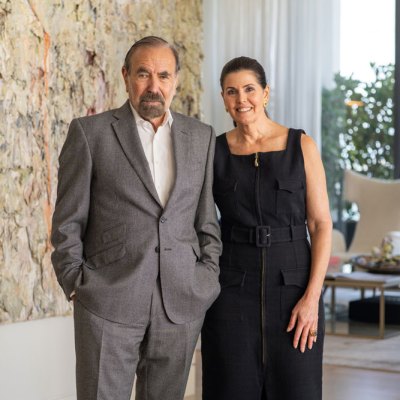
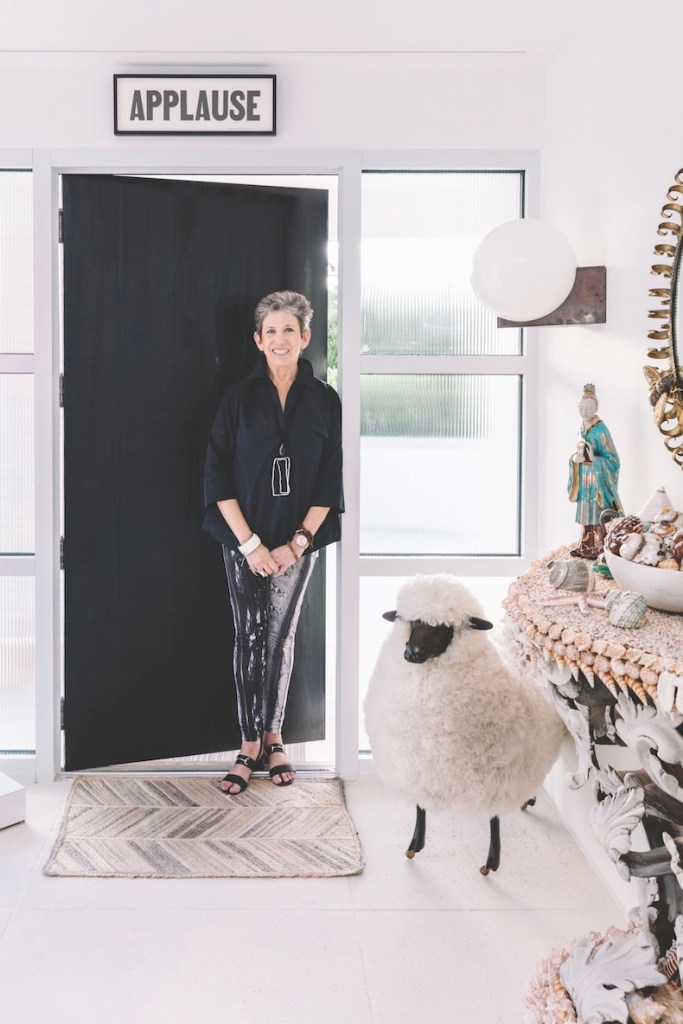
Beth Rudin DeWoody, collector and founder of the Bunker Artspace. Photo (detail): Nick Mele
Beth Rudin DeWoody, collector and founder of the Bunker Artspace. Photo (detail): Nick Mele
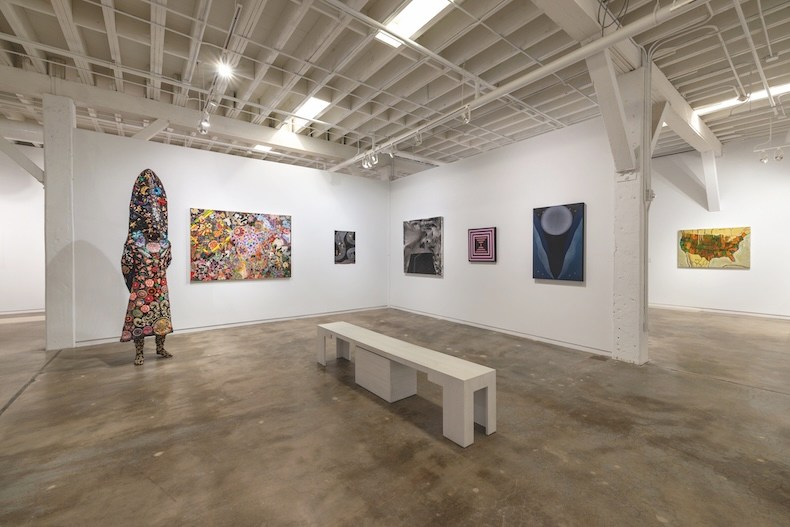
Beth Rudin DeWoody has one of the most expansive art collections in the United States. She is also a longstanding board member of the Whitney in New York, a role that has given her the ‘fun’ of seeing ‘how other people were collecting’. There is no doubt that DeWoody sees the fun in collecting – and that quality is on show in the Bunker Artspace in West Palm Beach, Florida, which presents rotating exhibitions of works from her collection, allowing the public to see some of the most interesting and important artists of the 20th and 21st centuries brought together by a unique sensibility.
Apollo: How did you get interested in 20th-century art?
Beth Rudin DeWoody: I’m an old gal, so I grew up in the 20th century and I was always involved with art as a child, having gone to a Steiner school and doing art, and then taking classes at the Art Students League. I had a very interesting art teacher in high school, who we did painting with, and then a young Soho artist came to teach at my high school [Riverdale Country School] and he taught a lot of art history. He sent us to a show at the Met curated by Henry Geldzahler, ‘New York Painting and Sculpture: 1940–1970’, and we had to write a critique for our final exam. That’s the place that really exposed me to what was going on in the contemporary art world of the time.
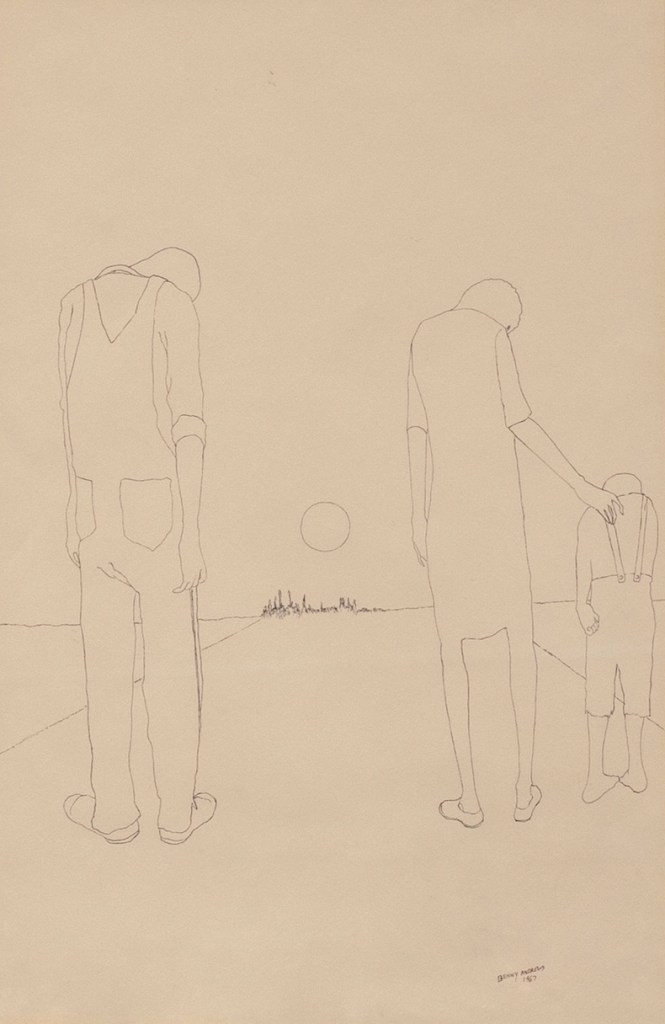
As a high-school student I had also taken an art class at the New School. My teacher was a Black artist named Benny Andrews who came from a sharecropper family in Georgia. He was very involved with the New York art scene and was founder of [the New York-based collective of figurative artists] the Rhino Horn Group. He was also part of a group of artists who were supposed to be in a show at the Whitney, and a bunch of the Black artists in the show dropped out because the curator wasn’t Black. The first piece of art that I bought really was a drawing of his. I paid $100; I thought it was nice to support my teacher. Then I went off to college and I didn’t do much art there. I was doing anthropology and film studies, and came back and worked in the film business, but I ended up meeting and then marrying an artist [James DeWoody] in downtown Soho. We moved in together in Tribeca in 1975 and we started to collect a lot of prints from the early 20th century through a friend of ours, David Kiehl, who was the associate curator of prints at the Met at the time.
Apollo: How did your collecting develop?
BRDW: We met all these people in the art world living in Tribeca, and I got to know three curators at the Whitney: Richard Armstrong, Richard Marshall and Lisa Jones. It was a much smaller world then, and we would exchange my husband’s art with friends, or we would buy some art here and there. I was always interested in ephemeral material as well. In the ’80s I accelerated my collecting; some people were out there buying [Frank] Stellas, and I was buying a lot of work by Joe Brainard, by the Beat artists, and I was also collecting fibre art and other things.
I just found all this stuff fascinating and collected a lot of it early, and I think it took the art world a little while to catch up. Recently I gave a huge gift of work to the Whitney and they wanted this work because it’s the stuff that they weren’t collecting. It wasn’t the big names, but it was the art that they only now realise is important.
Apollo: When you were looking into these artists, were you consciously seeking out the ignored and the sidelined, or was it just that that’s what happened to interest you?
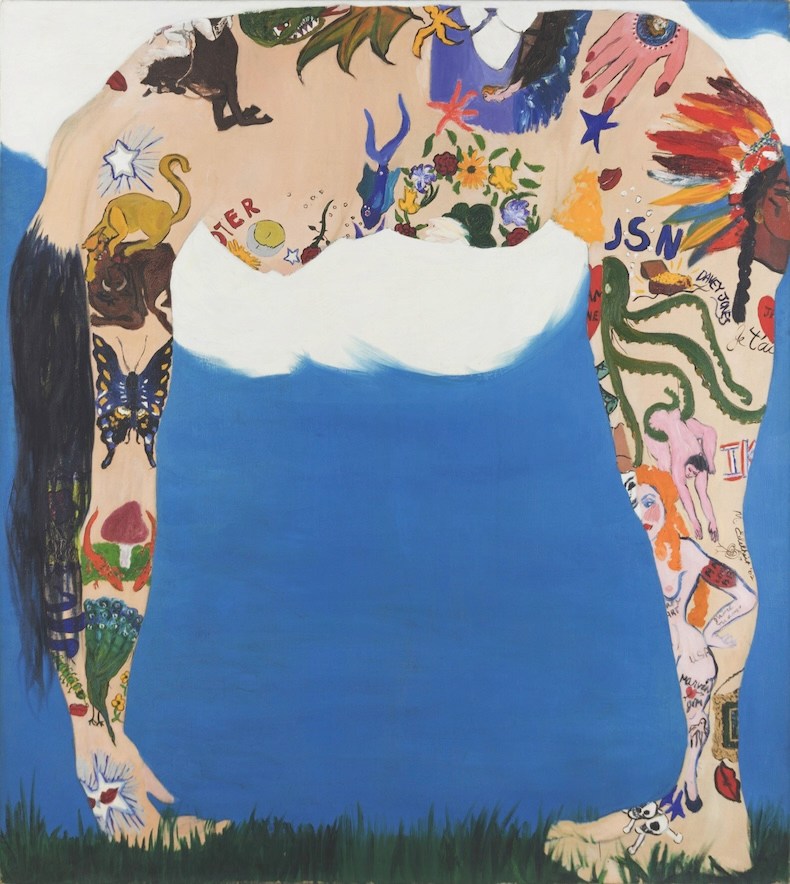
BRDW: I think it was just what was presented, and then when I saw it I really liked it. For instance, there’s a dealer in New York, Eric Firestone, who took on a lot of women artists who were overlooked in their day – people like Mimi Gross, the daughter of Chaim Gross. She was married to Red Grooms and she collaborated on a lot of stuff with him for the Ruckus Manhattan, but she was also a wonderful artist in her own right. Years ago – now the prices are so high – I bought Sylvia Sleigh and it’s just the luck of being presented with this stuff. A lot of dealers knew that I was willing to buy these artists. It’s fun to discover things and find things through quirky galleries or young dealers.
Apollo: As a collector you’re buying things because you fall in love with the work, but are you also consciously thinking about what shape your collection is taking?
BRDW: I’m not very scholastic. Some collectors are very… they do all this research, or they have very limited [collections] – only by living artists or only by women, for example – and I’m kind of all over the place. Recently I bought a Vuillard drawing from my friend Jill Newhouse in New York, and I also bought a Domenico Tiepolo drawing from her. The Tiepolo was fascinating to me because I could see how it had influenced Cecily Brown, and I bought her work very early, before she was at Gagosian. I love to see all these connections, and what’s so fun is that now I can do so at Bunker Artspace. It’s so much fun. What I love is that I get to see my art out in the world and also hung with someone else’s eye. I am involved with it, but I have two in-house curators, Maynard Monrow and Laura Dvorkin, and we always have guest curators. Last season we had Marie Watt, a fantastic Native American artist, who curated a show. We’ve had Anne Pasternak and Thelma Golden curate too. We’re actually going to do a show co-curated by artist Martha Edelheit, 80 artists over 80.
Apollo: The journey from abstracts of the ’30s and ’40s to these very contemporary, slightly overlooked artists is an interesting one. Do you see a commonality between them?
BRDW: I guess so. It’s just my eye. I’ll go to a show and focus in on the one or two pieces that I think are the best or that I like the best. It’s hard for me to explain. It’s easier for other people to explain.
Apollo: How has the internet changed things?
BRDW: I buy online because I can’t possibly get to all these places, and hopefully it works out. I haven’t really been disappointed. Maybe once or twice a work wasn’t as good as I thought it was, and sometimes it was actually much better than I saw online, so I guess it evens out.
Apollo: How have the collecting scene and the art world changed over the time that you’ve been collecting?
BRDW: Well, obviously it’s changed so much because it was so much smaller when I was out there looking: a lot fewer galleries, a lot fewer collectors. So many more people are engaged with art now, which I think is wonderful. But so many people have become priced out of things. I always tell young collectors that there are so many artworks out there by young artists that are reasonably priced. You just can’t be intimidated. Because you know we all get priced out of artists, and so you just find new ones or overlooked ones. It’s an interesting world, because I lived through the stock market collapse of 1993. It’s kind of like the stock market, if you can hold on to something and not panic, and maybe use that opportunity to buy things that you wouldn’t be able to afford before. Now people need to sell, so you can get works for a lot less money.
Apollo: So is it a particularly fruitful time to be collecting?
BRDW: I’m not collecting to make a profit. But I had a painting that went for so much money that it paid for my divorce.
Apollo: Are you able to say what that painting is?
BRDW: Well, it was a Matthew Wong, which I loved, and I would have kept it too. I don’t like to sell work, but every once in a while I have to, because I run out of money buying things so I have to sell something.
Apollo: Do you have any other advice for young collectors about building a collection?
BRDW: Buy what you love and if you need to get advice, do it. People are very intimidated when they walk into a gallery. I tell them to reach out to the director of the gallery and tell them that you’re really looking to build a collection. I tell collectors to get involved with a museum, because you’ll have more gravitas with a gallery. Get involved in the art world and join something, and then just keep going to galleries and looking. If you find something in your price range that really appeals to you, don’t worry about whether the artist is going to become famous. Just get it.
Apollo: Your collection is renowned for being provocative in places. Do you think art should be provocative? And how do you go about finding that?
BRDW: Oh, I don’t know, I’ve always collected provocative stuff. I’ve just been not afraid of collecting work with genitals, and oddball stuff, and I don’t know that about the art world. Maybe the political world is much more conservative, but I don’t know that all of the art world is that way. But maybe the dealers just save their dirty stuff for the back room – it’s always been like that, right? They always put the dirty stuff in the back.
Works from Beth Rudin DeWoody’s collection can be seen at the Bunker Artspace in West Palm Beach, Florida.