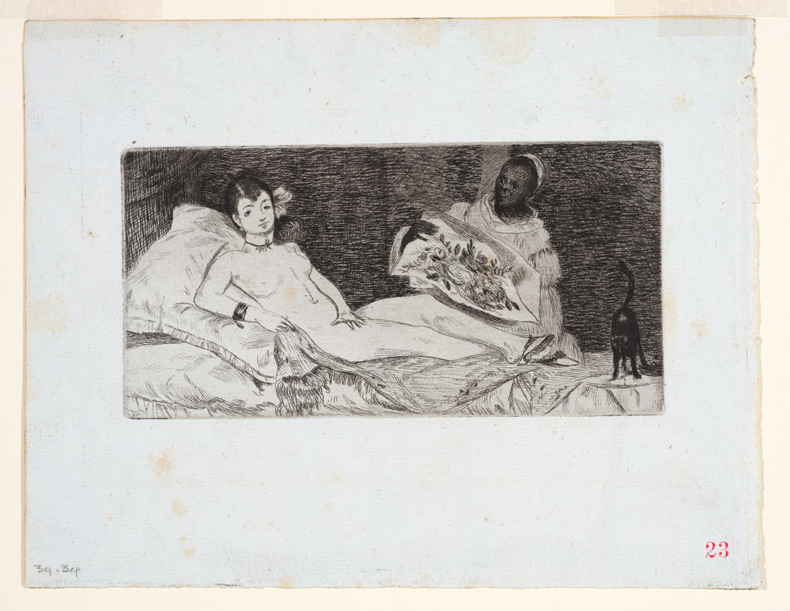
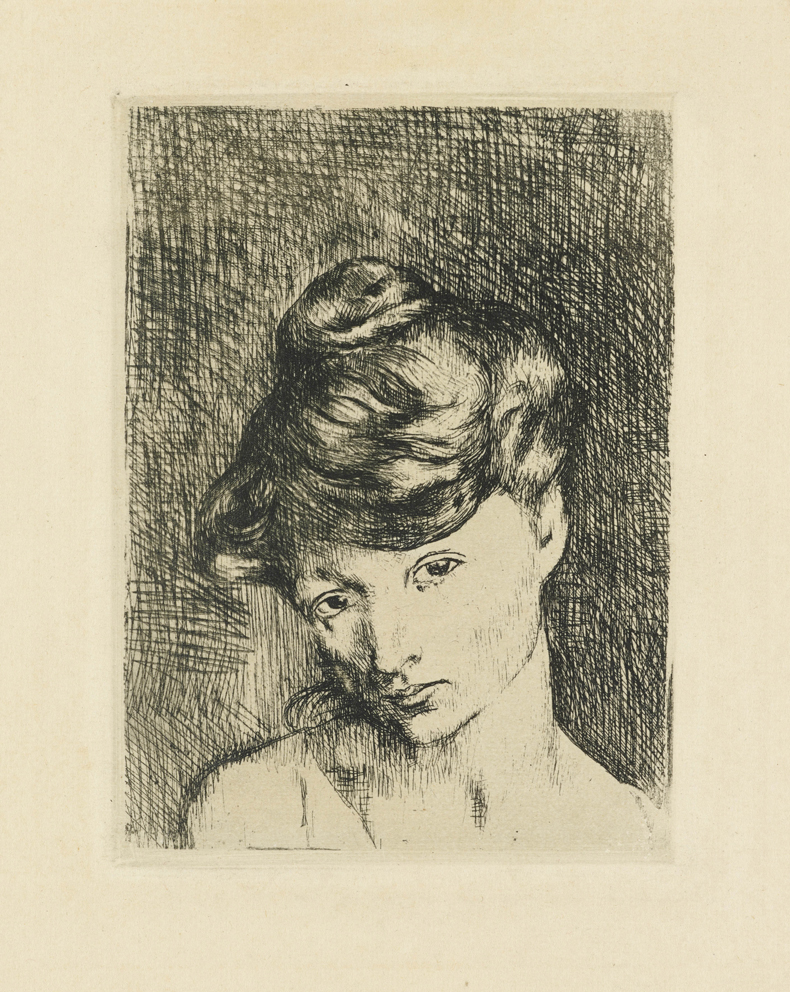
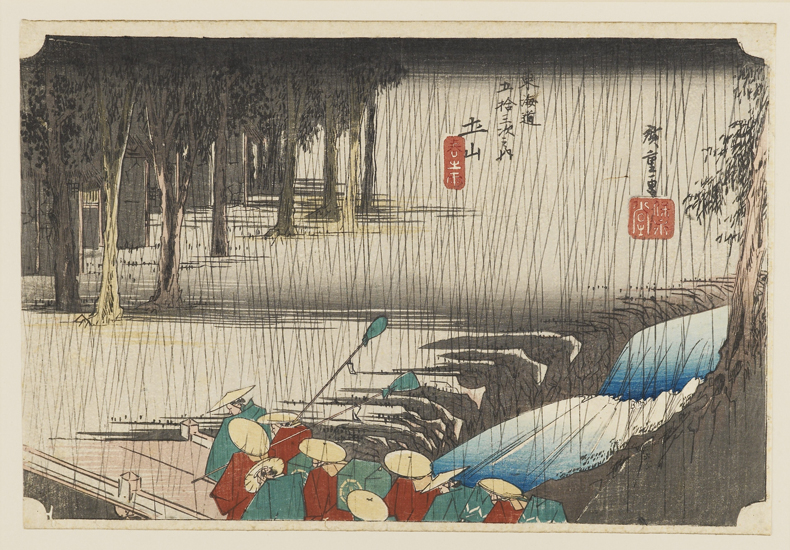
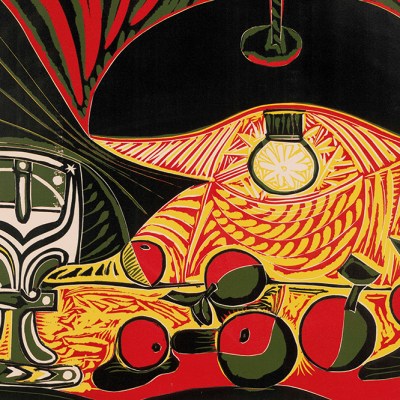
Édouard Manet is best known as a painter but his contribution to printmaking was almost as significant. In 1862 he was a founding member of the Société des Aquafortistes, which aimed to elevate etching to the rank of painting and drawing. The society published The Gypsies – in which a bedraggled man looks directly at the viewer and a boy drinks from a small amphora – later that year, kick-starting Manet’s career as a printmaker. His etching of his own painting Olympia (1865) and a lithograph of Berthe Morisot (1872) are among the prints on view at the Holburne Museum, which is tracing the development of the medium from the mid 19th century to the 1930s (until 13 September). The show also includes rain-streaked scenes by Utagawa Hiroshige and typically colourful lithographs by Toulouse-Lautrec, and allows us to see how this generation of artists that revolutionised painting – including Cézanne, Van Gogh and Picasso – also transformed printing.
Find out more from the Holburne Museum’s website.
Preview below | View Apollo’s Art Diary