From the September 2026 issue of Apollo.
Some art fairs are constantly reinventing themselves to keep things fresh; the ethos of the Biennale Internazionale dell’Antiquariato di Firenze, the only major art fair dedicated to Italian art, has remained much the same since its first edition in 1959. BIAF, as the director, Bruno Botticelli tells me, relies on high-quality art, the expertise of the exhibitors and curators, and the ‘almost one-to-one relationship’ between the visitors and the exhibitors – the kind of intimacy that is hard to find at blockbuster modern and contemporary art fairs.
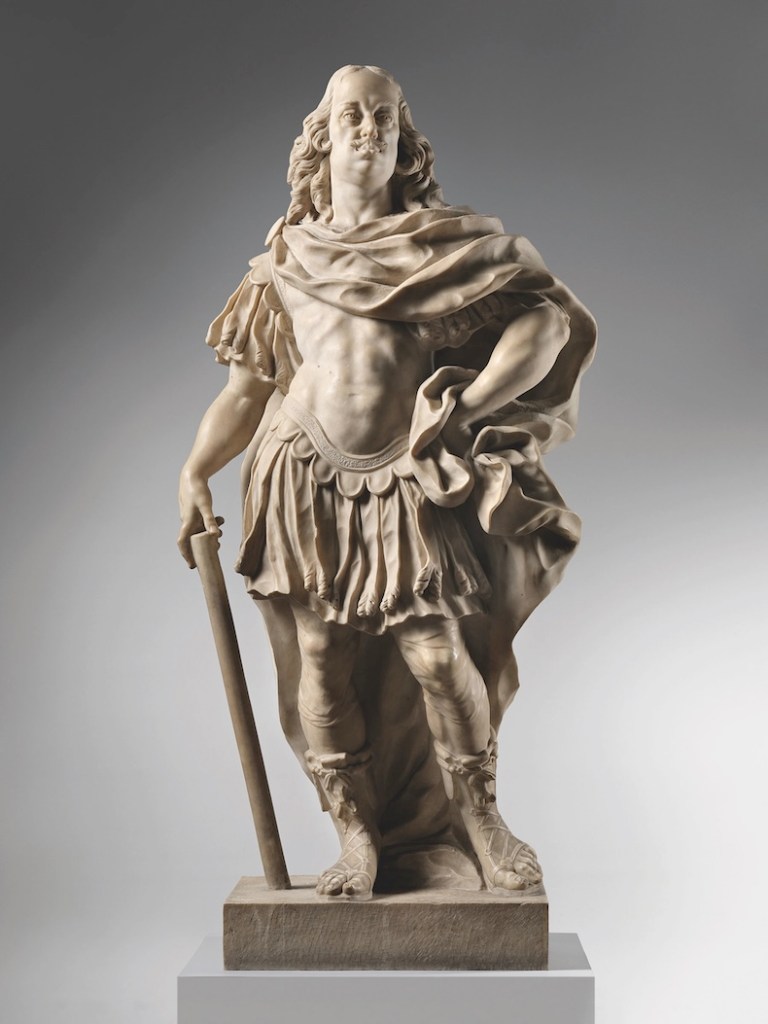
In recent years BIAF has made room for more and more 20th- and even 21st-century artists – look out this year for some Lucio Fontana slashed canvases at Tornabuoni Art and an eye-catching Renato Guttuso at Antichità Bacarelli – but the beating heart of the fair is pre 19th-century works. There are standout pieces by famous names but often the most intriguing finds are those surprising masterpieces by lesser-known artists. Walter Padovani, a long-time attendee of the fair, is bringing such a work: an imposing statue of Cosimo III de’ Medici (1694) by the sculptor Lorenzo Merlini. Of course, visitors need no excuse to visit Florence but, as Botticelli says, ‘September is its most beautiful time.’
The Biennale Internazionale dell’Antiquariato di Firenze (BIAF) takes place at the Palazzo Corsini from 26 September–4 October).
Apollo’s highlights
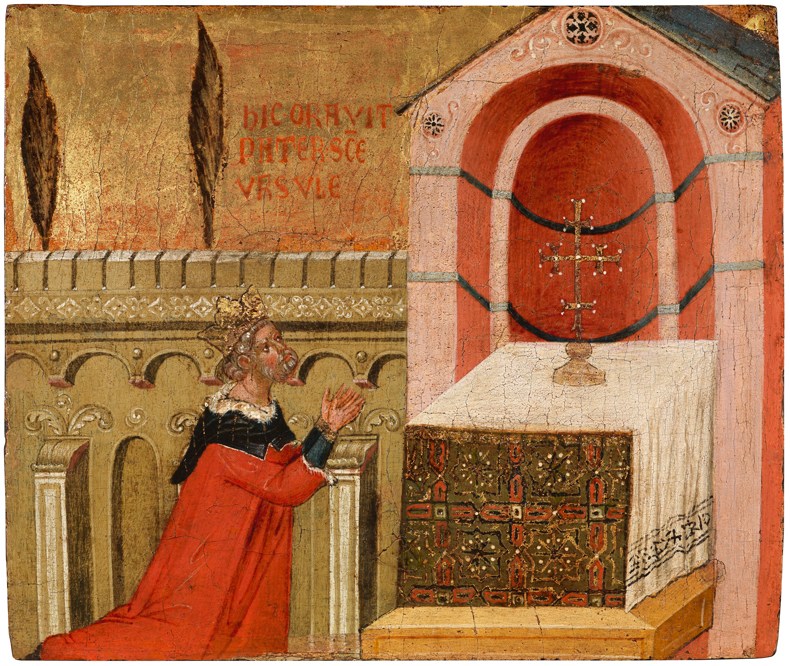
The King of Brittany, father of Saint Ursula, in prayer (1310–20), Paolo Veneziano
Galerie Canesso, Paris/Milan
This panel depicts the Breton king Maurus – father of Saint Ursula, martyred by the Huns in the fifth century – kneeling before an altar. Thought to have been part of a larger panel, another fragment of which is in a private collection in Bergamo, this work is a superb example of the shift from Byzantine painting to a more expressive approach to human figures.
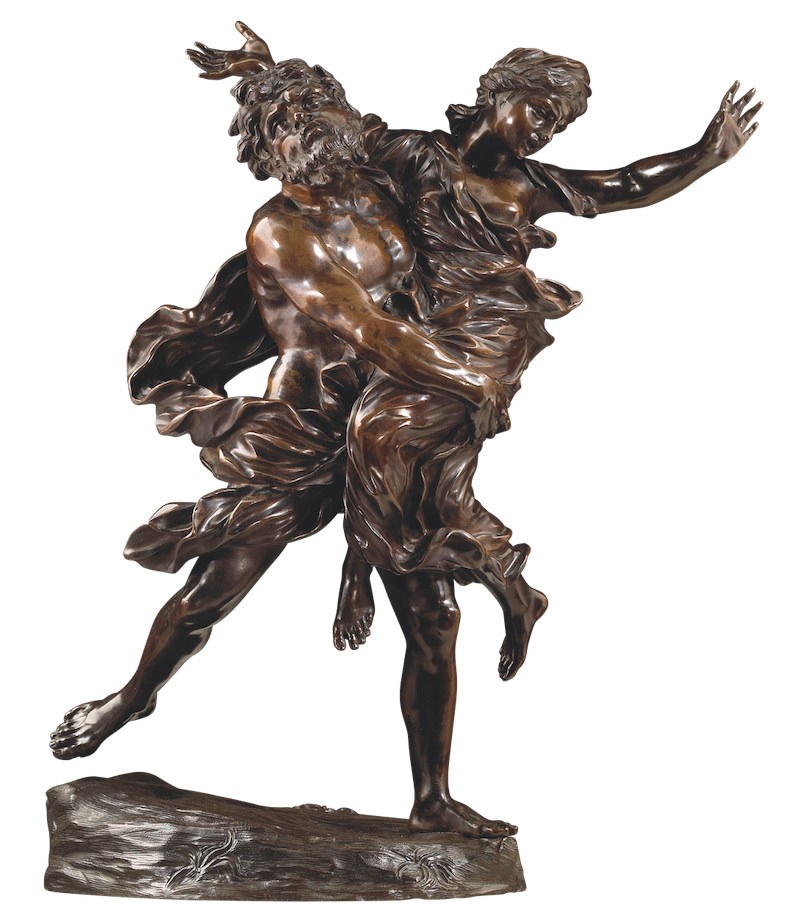
Boreas and Orithyia (first quarter of 18th century), Giovanni Battista Foggini (1652–1725)
Tomasso, London/Leeds
Foggini is little-known today but was among other things a key figure in the development of small bronze statuettes in late 17th-century Florence. This striking example, which comes from a private collector in the UK, depicts the tale of Orithyia, an Athenian princess who was abducted and raped by Boreas, the god of the north wind.
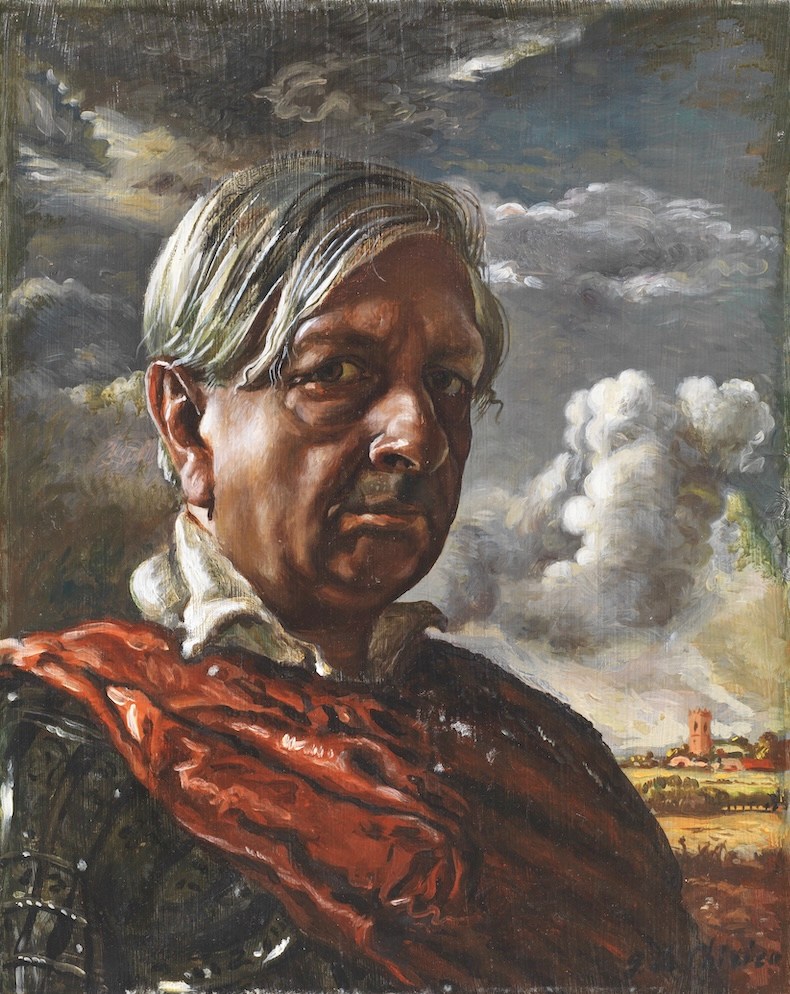
Autoritratto delle nuvole (‘Self-portrait among the clouds’) (1948), Giorgio de Chirico
Gian Enzo Sperone, Switzerland
De Chirico’s metaphysical paintings of deserted cityscapes are some of the most recognisable works of the early 20th century, but he was a prolific self-portrait painter too. This example, painted at the age of 60, shows the artist with a characteristically humourless expression and greying hair against an ominous background.
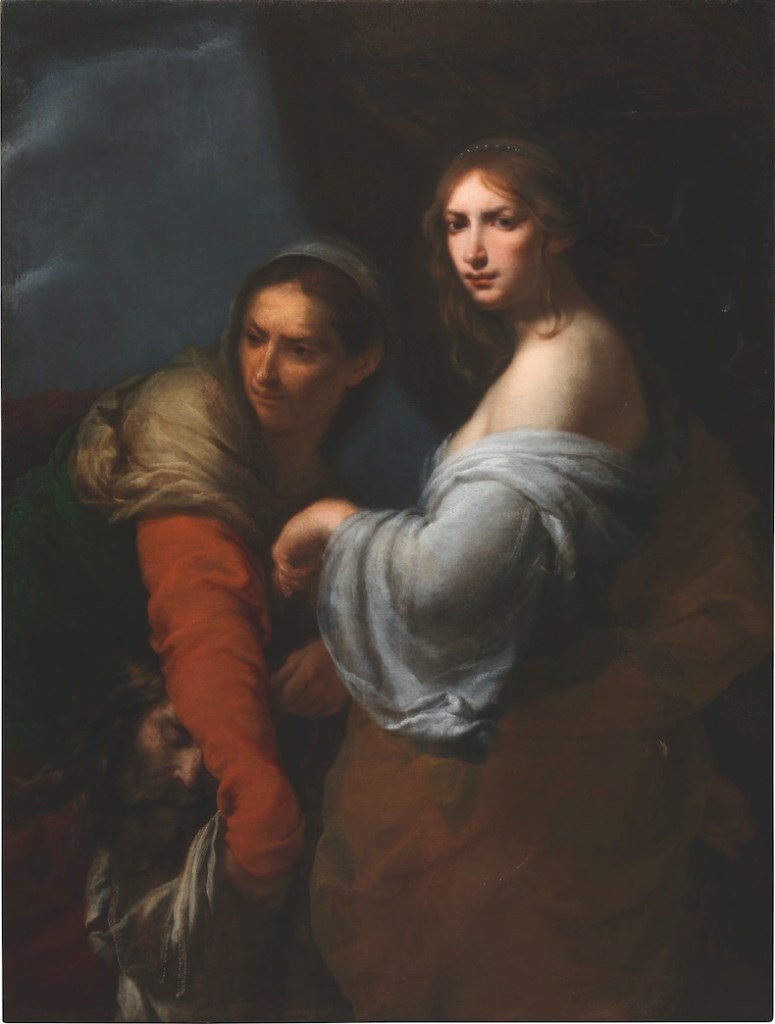
Judith and Abra with the Head of Holofernes (1640s), Francesco Furini
Rob Smeets Old Master Paintings, Geneva
If Caravaggio and Artemisia both brought a hard-edged gruesomeness to their paintings of this biblical episode, the Florentine Furini’s version is rendered in his typical soft focus, while Judith staring at the viewer lends it a static quality in contrast to those versions.
Gallery highlights
Leonora Carrington
8 September–10 October
Almine Rech, Paris
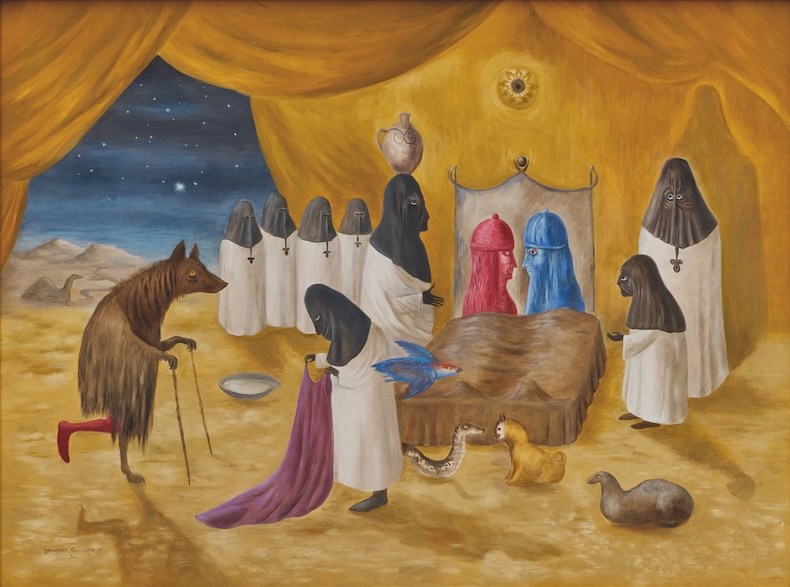
Carrington’s eerie Surrealist style of painting, exemplified in works such as The Lovers (1987; pictured) has in recent years become so well-known as to carry an air of kitsch. Almine Rech is refreshing things by paying special attention to the lesser-known bronzes that she made in her later years, as well as tapestries, drawings and her prolific, idiosyncratic writing.
Safe Spaces
11 September–30 October
Les Enluminures, Paris
The Japanese contemporary artist Atsushi Kaga is joining forces with the manuscript dealers Les Enluminures for this exhibition. Kaga, who frequently depicts animals in his work – particularly a rabbit alter ego, Usacchi – has responded to illuminations in several medieval manuscripts to create imaginative new works.
Perle Fine: Ninth Street Woman
10 September–24 October
Berry Campbell, New York
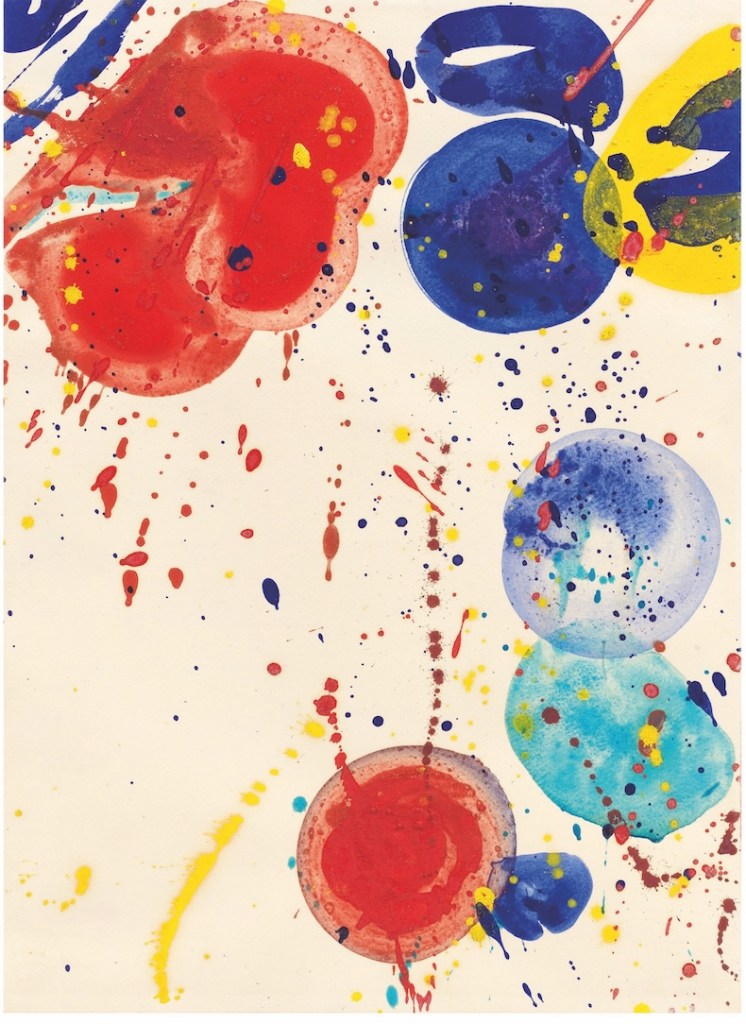
Fine is one of the few women who truly broke into the male-dominated sect of Abstract Expressionists in the mid 20th century. This show contains 15 works from the 1940s–’60s, the period when Fine produced some of her most inspired work – not least Wall of Silence (1961), a monumental painting awash with whites, reds and blacks that is somehow both full of life and haunted by an understated terror.
This is Still Not a Pipe: The Afterlife of Magritte
24 September–12 December
Gagosian, London
‘The meditations of an absent-minded, obsessive philosopher may conjure up the image of a mental world closed in upon itself.’ So said Magritte about his second-most famous pipe painting, The Philosopher’s Lamp (1936), in which a man – himself? – is seen smoking a pipe attached to his own nose. It’s the centrepiece of Gagosian’s exhibition, which traces Magritte’s interest in paradox through paintings, drawings, sculptures and photography – and includes work by artists inspired by the great Surrealist.
Fair in focus
The Armory Show
24–27 September
Javits Center, New York
Under the aegis of Frieze for the fourth year running, the Armory Show returns to the Javits Center bigger than ever, with booths by some 230 modern and contemporary galleries from around the world. This year the curated sections, Platform and Focus, are both centred on the Caribbean: the former, overseen by Jovanna Venegas, includes sculptures and installations by Hew Locke, Bony Ramirez and others, while the latter features galleries based in the Caribbean and South America such as TERN (Bahamas). Each year the fair invites one New York institution to have a booth as part of the Armory Spotlight section; this time it is the turn of El Museo del Barrio, the museum dedicated to Latin American and Caribbean art, with a solo presentation by the Puerto Rican textile artist Lulu Varona, which invites visitors to help her make one of her works.
From the September 2026 issue of Apollo.