
Why do bank notes get redesigned? The answer is, for practical reasons: so that each new set of notes can incorporate the latest anti-counterfeiting technology. And, since part of the job of a central bank is ‘to maintain confidence in the currency’, every now and then, it has to issue a new set of state-of-the-art bank notes.
Earlier this week, the Bank of England announced the results of a consultation it ran last summer. When asked to choose from a number of different themes for new English bank notes, the respondents – some 44,000 of them – were overwhelmingly in favour of Nature. The next most popular category was Architecture and Landmarks; at 60 and 58 per cent, both subjects were way ahead of Notable Historical Figures (38 per cent) and Arts, Culture and Sport (a mere 30 per cent).
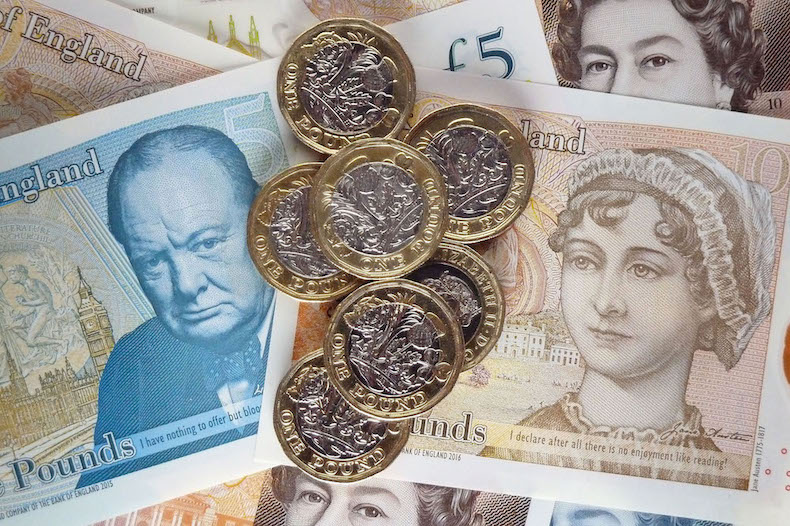
While the figure for Arts and Culture is particularly disappointing, it would not have occurred to Rakewell to throw a tantrum about J.M.W. Turner – currently the face of the £20 note – making way for a wood pigeon. Not so the Conservative Party, making the curious statement on X, that ‘Winston Churchill is a hero. He’s earned his place on our Five Pound Note. He must not be replaced with an Otter.’ The leader of the Liberal Democrats made a video in which he held up a fiver and said, ‘Winston Churchill helped defeat fascism in Europe. He deserves better than being replaced by a badger.’
Rakewell understands that public emotion can stir strong emotions, but one would hope for a sense of proportion in all things. Is appearing on the lowest denomination bank note really the greatest honour a statesman can hope for? And what do the two political parties to which Churchill belonged have against otters and badgers? (It should be pointed out that Scotland already has otters on its bank notes, as well as mackerel, red squirrels and osprey.)
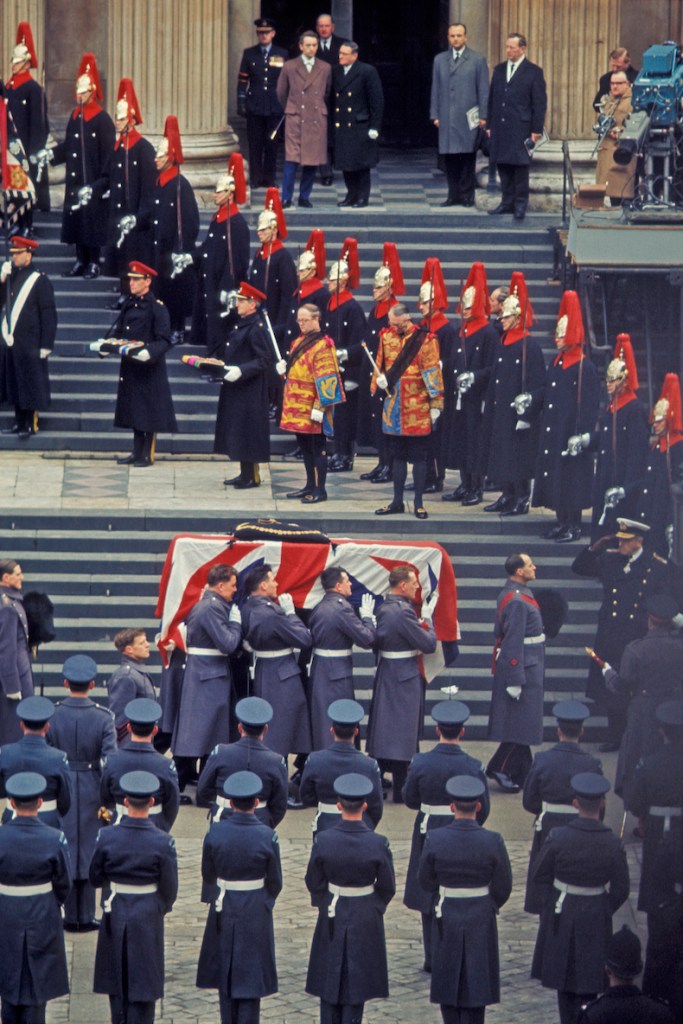
When Churchill died in January 1965, his body lay in state in Westminster Hall for three days as 321,000 members of the public paid their respects; his was the first state funeral ever granted to a British politician. No one can argue that Churchill has not been honoured, and his legacy is still endlessly debated – which is perhaps better than being forgotten. On the artistic front: never mind bank notes – Churchill’s own art is the subject of an exhibition at the Wallace Collection in London in May.
The Bank of England will open a further consultation into which animals the public would like to see on its currency later this year. The new bank notes will take years to produce. In the meantime, Rakewell suggests our elected representatives look to another great British institution that doesn’t believe in pitting nature against culture. The National Trust, custodian of Churchill’s home at Chartwell in Kent, is an enthusiastic introducer of beavers into the wild (and currently making the most of the release of the Pixar film Hoppers. In this, as in other mattters, Rakewell suggests that we could all be more ‘both/and’ rather than ‘either/or’.