Almost 150 years after work began on the Sagrada Família, Gaudí’s masterpiece is now finished. Well, not quite; there are still minor details that are not expected to be done and dusted until the 2030s. And indeed, what ‘finished’ really means is debatable, since so little is left of the architect’s original vision that the basilica is something of an architectural Ship of Theseus. Either way, as we mark the centenary of Gaudí’s death this year, a left-field but exciting tribute to perhaps the most famous church in Europe is coming from Lego, which is making it the subject of the next release in the Lego Architecture series. Retailing at £650, the set is due out in November, though it’s available for pre-order now. Comprising 12,060 pieces, it will take some time and effort to complete, though hopefully not a century and a half. To celebrate the news, here are some more ways that you can recreate your favourite artwork or architectural masterpiece at home.
Lego
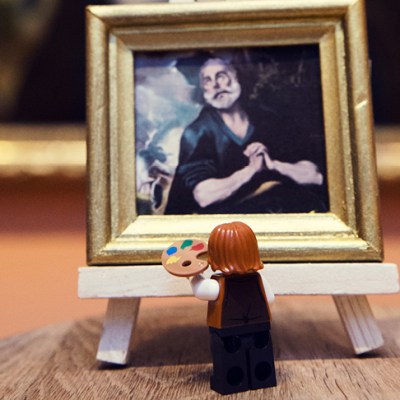
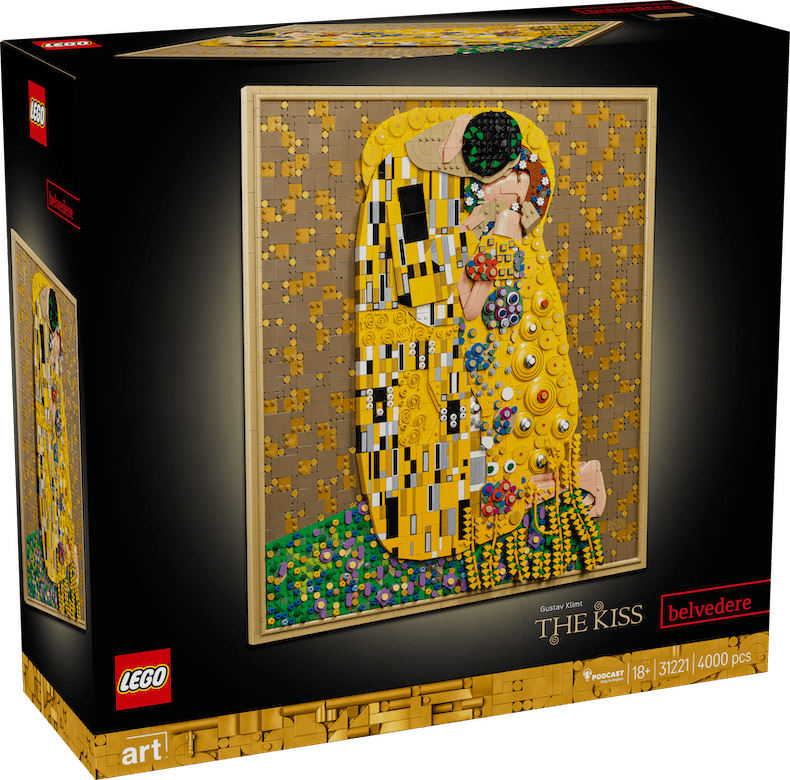
Lego fans looking for something to keep them busy until the Gaudí kit lands on their doorstep may like to try another artistic Lego set. The brand frequently releases Lego editions of famous artworks, including collaborating with the Belvedere on a 4,000–piece version of The Kiss (1907–08) by Gustav Klimt, which will go on sale on 4 August. Earlier this year Lego partnered with the Metropolitan Museum of Art on a Lego version of Monet’s painting Bridge over a Pond of Water Lilies (1899). It has only 3,179 pieces – not quite as Herculean a task as the Sagrada Família – and it has a built-in wall hanger, so you can display your work wherever you like. It costs £179.99, which, for those of us unlucky enough to live outside the United States, is much cheaper than buying a plane ticket to New York to see the real thing.
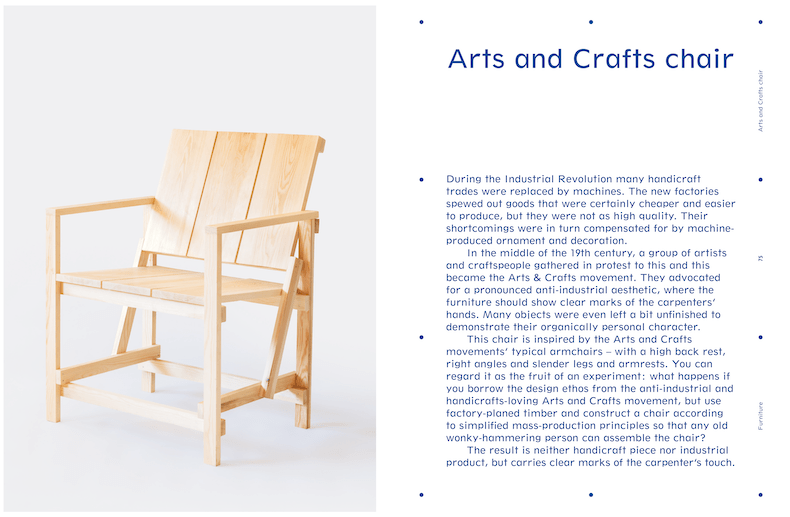
Enzo Mari
The Italian designer’s pared-back approach to design was guided by a belief that most people had lost their appreciation and understanding of the objects that surround them. Mari’s solution was to make furniture-design as approachable as possible: he wrote a catalogue of step-by-step guides in 1974, Autoprogettazione, that allowed the masses to build versions of Mari-designed chairs, tables and bookcases. Anyone – ‘excluding industries and sales persons’ – could send a stamped envelope to Mari’s office in Milan, and the man himself would post a copy of the pamphlet back to them, free of charge. For Mari, the process rather than the end product was the point – an argument made convincingly in the Design Museum’s exhibition in 2024 – which meant that these how-to guides were also designed to teach people the fundamentals of craftsmanship. Versions of Autoprogettazione are available to buy online, as are more recent books such as Hammer & Nail by Erik Eje Almqvist, which contains guides for pieces of furniture inspired by Mari – and doubles up as a primer on what lay behind the designer’s democratic vision.
Let’s String
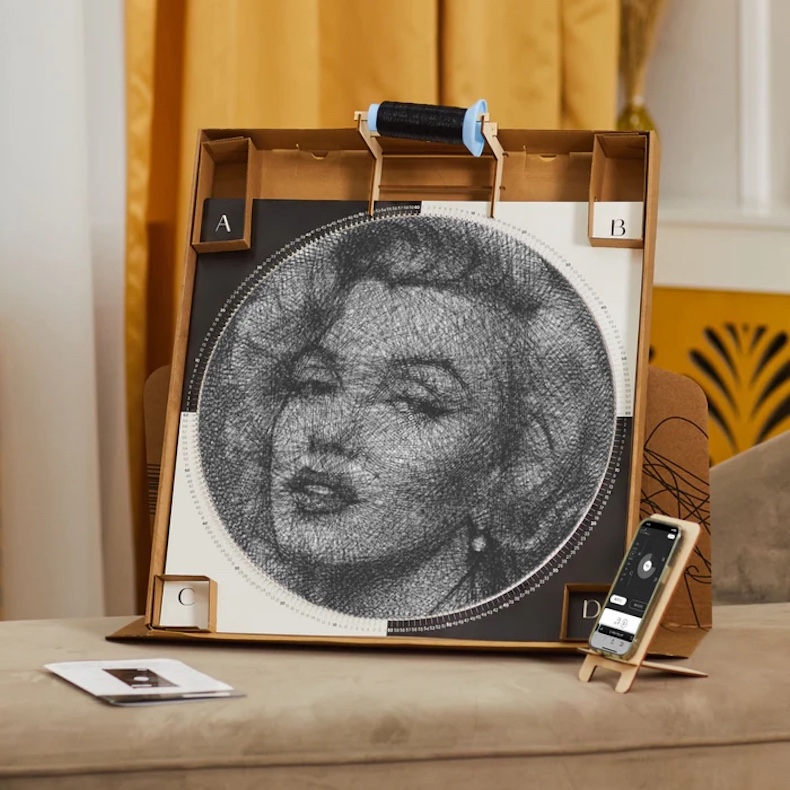
Ever wanted to own a version of the Mona Lisa made with a thousand interwoven pieces of thread? Let’s String may be the answer. Upload an image to the website and you’ll be sent a kit with a spool of black thread and a circular canvas marked with hundreds of small numbered hooks around the outside. Using the app’s spoken step-by-step instructions, you simply guide the thread between hooks and, after six to eight hours, you’ll have a finished masterpiece. Any photo will do and while many people will use the service to honour a loved one, why not use the service to honour your favourite artwork, from Holbein’s Anne of Cleves to Courbet’s Desperate Man or, if you’re feeling ambitious, something more abstract by, say, Picasso, Miró or Magritte.
Paint by Number
Conceived in 1949 by the artist Dan Robbins, who was inspired by the way that Leonardo portioned out sections of his paintings to be filled in by his students and workshop assistants, Paint by Number grew into something of a craze in the late 20th century. The original Craft Master range went on to sell more than 12 million kits. When Robbins’s boss Max Klein died in 1993, Klein’s daughter donated the archives of the Palmer Paint Company – the original seller of the kits – to the National Museum of American History, which staged an exhibition in 2001 called ‘Paint by Number: Accounting for Taste in the 1950s’. There is even a museum dedicated to Paint by Number, albeit an online one, set up in 2008 by a private collector in Massachusetts who assembled more than 6,000 Paint by Number works dating back to the 1950s. The kits aren’t quite as popular as they once were but, in 2011, a new set was released to mark the 60th anniversary of the invention and countless versions are still available to buy, from pet portraits to Van Gogh landscapes.

Gingerbread
Making gingerbread houses was a homely activity for parents to do with their bored children at Christmas – until architects got their hands on them. The Museum of Architecture runs an annual event, the Gingerbread City, which contains gingerbread houses and buildings designed by leading architects. One of the best instances of architectural gingerbread, however, is the gingerbread ‘dreamhouse’ thought up by interior designer Kelly Wearstler, which takes the form of a hunkered house in the flat, elegant style of Californian mid-century modernism, à la Richard Neutra or Charles and Ray Eames. Only 100 were released, back in 2021, so they are sadly sold out, but there are enough photos online that a keen amateur baker – or handy architecture critic – should be more than capable of putting together a decent approximation. Even more involved is the White House gingerbread abode that graced the State Dining Room last Christmas. Weighing almost 55kg, the house was an impressively accurate scale model of the president’s residence – albeit without the East Wing, which the current president had already destroyed, or the West Wing, which could well be next on Trump’s hit list.