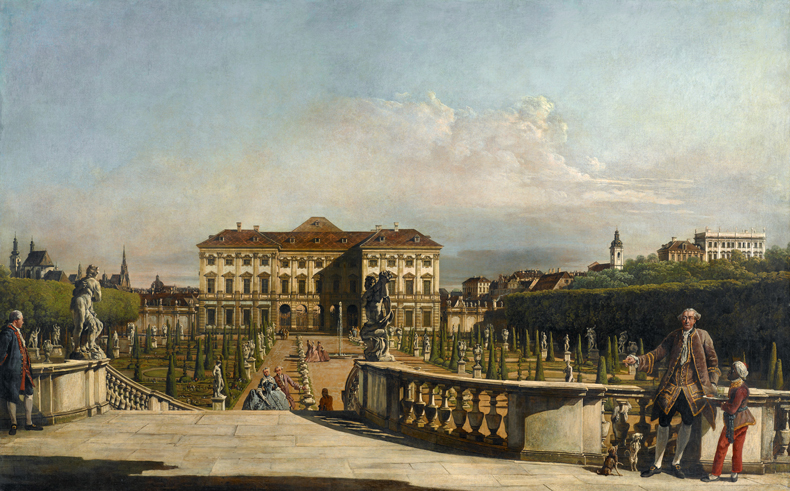
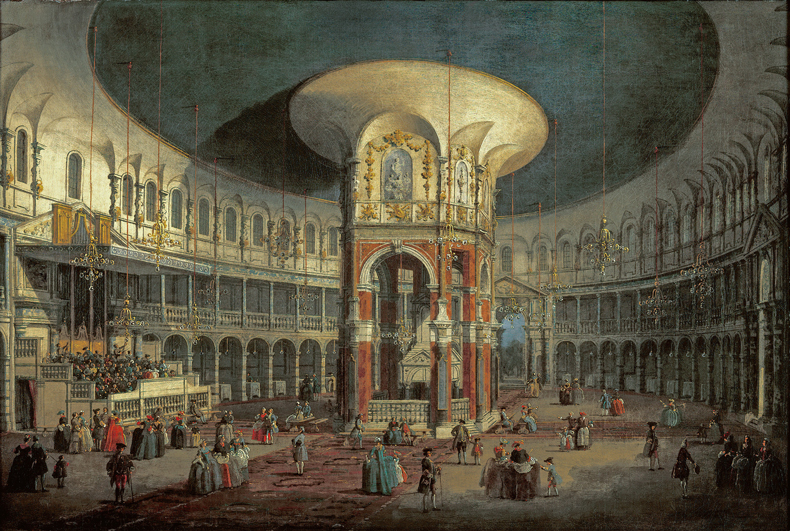
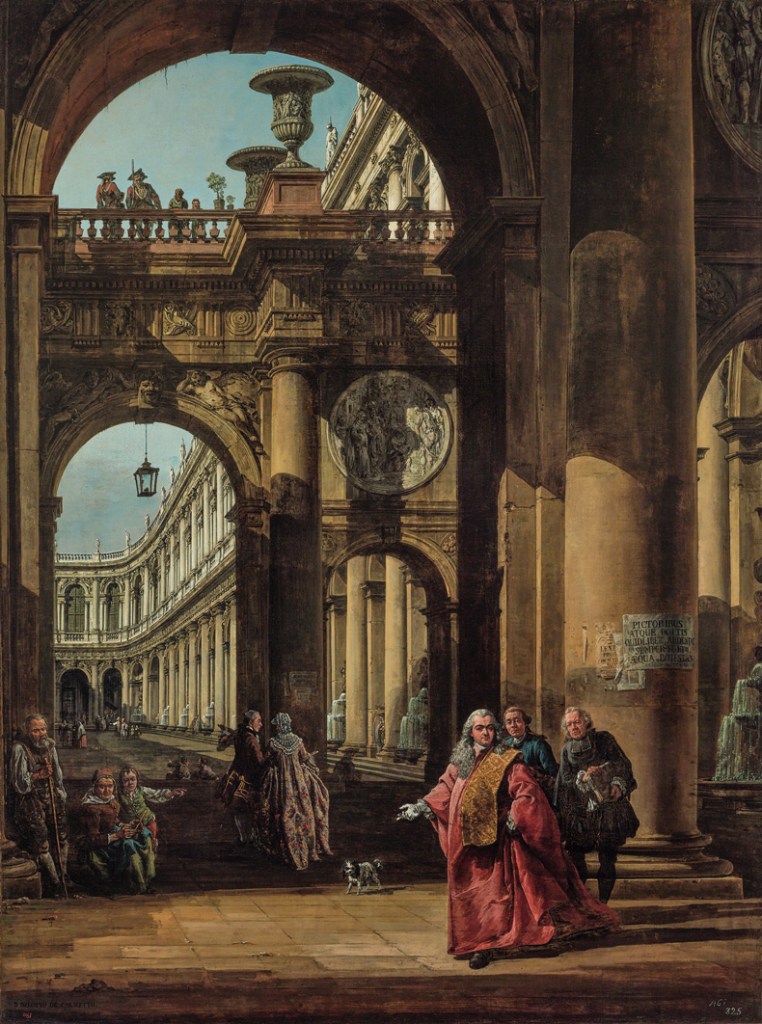
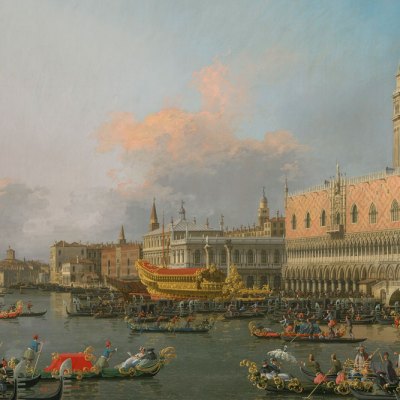
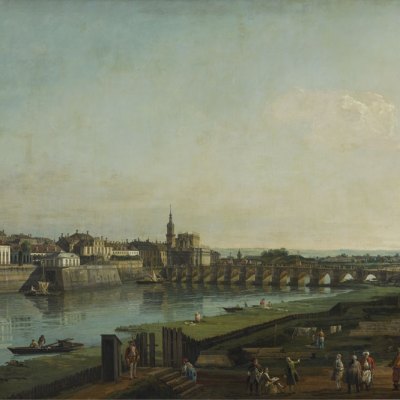
The painter born Giovanni Antonio Canal was famous in his day for vedute – city views that captured urban architecture and the bustle of city life in meticulous detail. Canaletto trained under his father Bernardo in Venice and in turn trained his younger sister’s son, also called Bernardo, who went on to introduce vedute to Central Europe. After a stint at the court of Dresden, where he began to distinguish himself from his uncle by incorporating more chiaroscuro and paying closer attention to staffage – the figures that appear in to architectural paintings – Bernardo Bellotto moved to Vienna in the hopes of becoming a court painter there. Meanwhile Canaletto was in London, plying his trade as an independent painter without court patronage. This exhibition traces their origins in Venice and explores the parallel development of their careers, presenting paintings made in London and Vienna as well as in the lagoon city (24 March–6 September). It makes clear why the painters’ contemporaries often attributed Bellotto’s work to Canaletto, even as it demonstrates how uncle and nephew’s work grew increasingly distinct.
Find out more from the Kunsthistorisches Museum’s website.
Preview below | View Apollo’s Art Diary