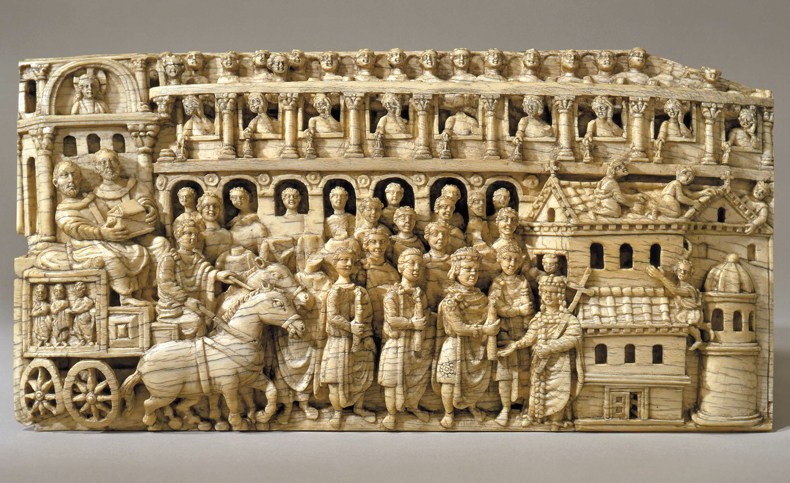
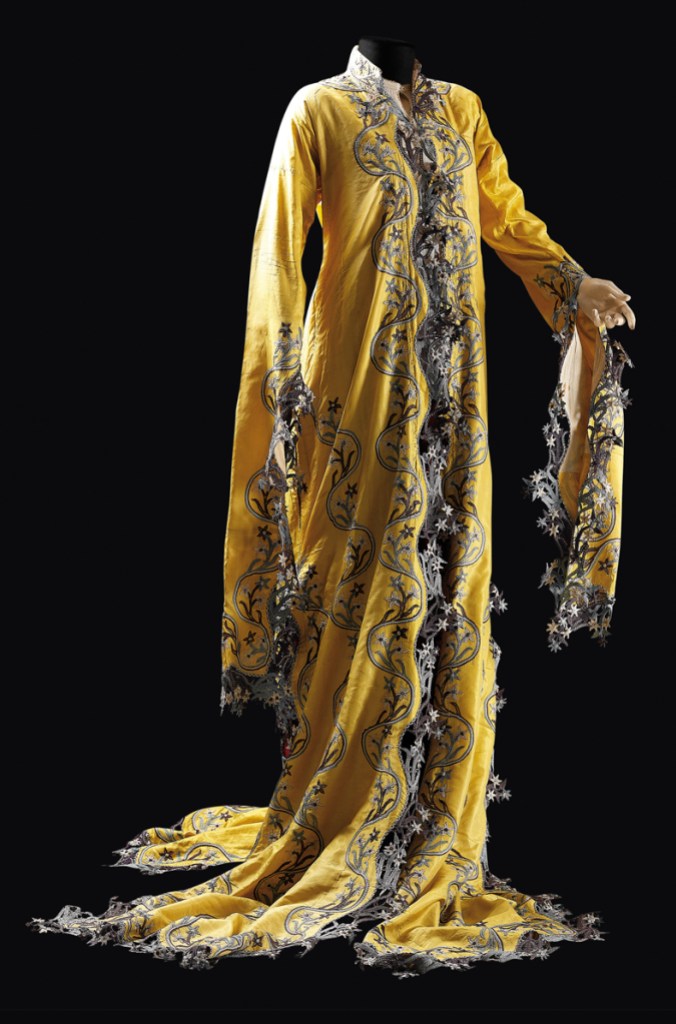
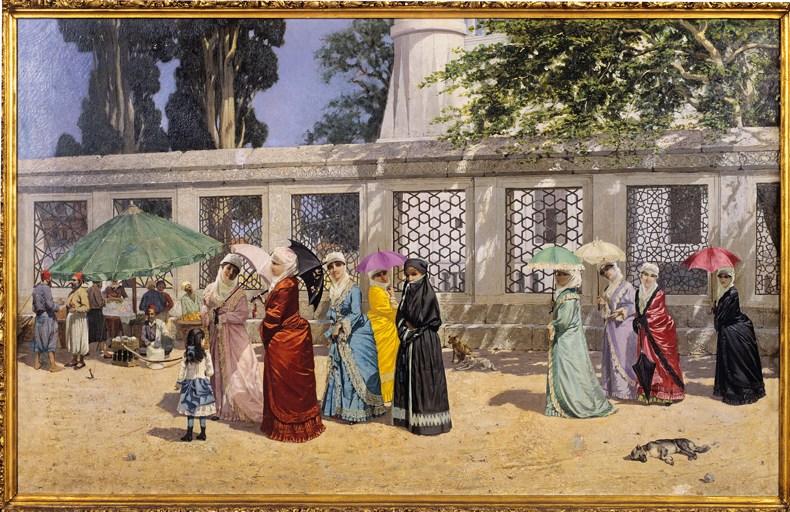
One of the more mysterious works of early Byzantine art is an ivory carving dating to the fourth or fifth century, teeming with figures and architectural details. It represents a procession, most likely of an emperor visiting Constantinople, but experts disagree on the identity of the emperor – perhaps Constantine the Great or Justinian II – and on the figure in the top left, which may or may not be Christ. What is undeniable is the impressive detail of the carving, the evident personality of many of the figures and the fine condition of the work, which has survived some 1,500 years. It is one of the oldest objects in this exhibition at the Victoria and Albert Museum, which brings together items including bracelets made in the early years of the Byzantine empire and paintings produced in the late 19th and early 20th century, before the Ottoman Empire fell in 1922 (7 November–9 May 2027).
Find out more from the V&A’s website.
Preview below | View Apollo’s Art Diary