
Pillow in the shape of a recumbent child in white glaze (Northern Song dynasty AD 960–1127). National Palace Museum, Taipei

‘Four things to see’ is sponsored by Bloomberg Connects, a free arts and culture platform that provides access to museums, galleries and cultural spaces around the world on demand. Explore now.
Each week we bring you four of the most interesting objects from the world’s museums, galleries and art institutions, hand-picked to mark significant moments in the calendar.
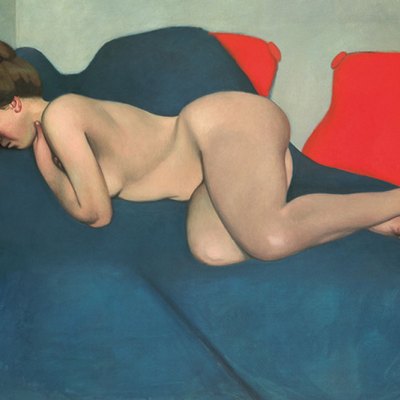
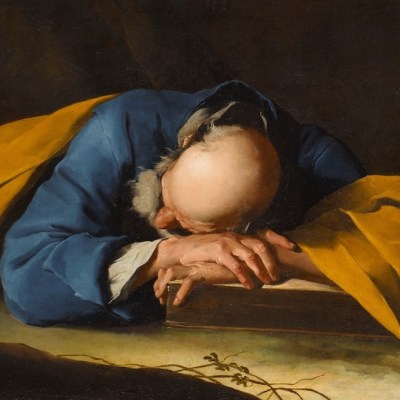
World Sleep Day falls on 13 March this year, drawing attention to healthy sleep habits and the disorders that affect millions around the world. Sleep, when consciousness is suspended and we are never more vulnerable, has long fascinated artists; somnolent figures offer a way to explore peace and defencelessness, mortality and innocence, the strange beauty of humans temporarily relieved from the rigours of social performance.
From ancient ceramic pillows designed for eternal slumber to serene abstract sculptures of resting heads, depictions of sleep remind us of the need to surrender control and embrace the unknown for several hours a day. Whether treated with tenderness, humour or quiet reflection, representations of sleep suggest that even the most active minds must occasionally yield to stillness. This week we examine four works that explore different facets of our nightly surrender.
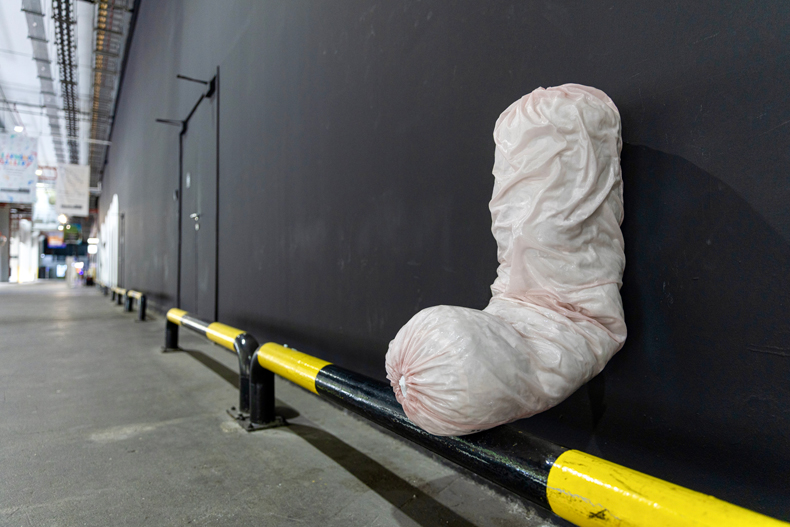
Insomniac States (2025), Daniel Chong
Singapore Art Museum
Daniel Chong’s series of sculptural interventions scatters pillow-like forms – bolsters, cushions and mattress-shaped objects made from synthetic, industrial-grade upholstery materials – across the logistics and arts hub of Tanjong Pagar Distripark in Singapore. These soft, plush forms sit in sleepy contradiction to their surroundings, where trucks unload cargo and workers are in motion 24/7. Insomniac States provides a gentle interruption of frenetic activity: a call to pause and a reminder to resist by resting. Click here to read more.
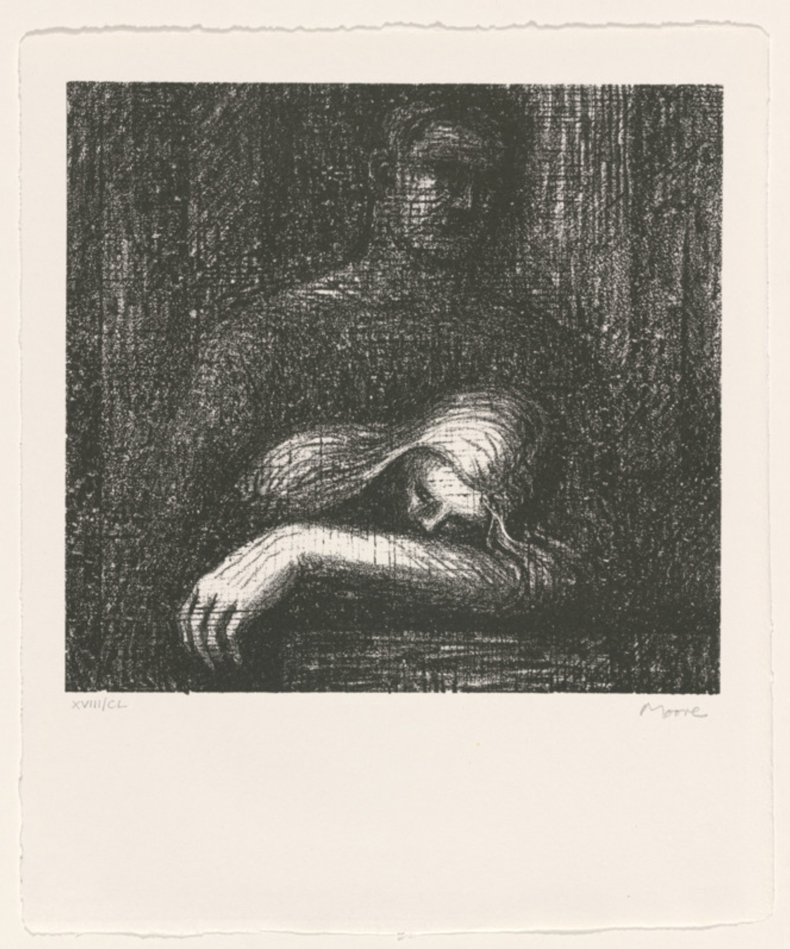
Lullaby: Sleeping head (1974), Henry Moore
National Gallery of Australia, Canberra
Henry Moore’s lithograph abstracts a head in repose into smooth, organic contours and subtle shading, the sleeping figure reduced to its essential curved forms. Created as part of a portfolio that paired W.H. Auden’s poems with Moore’s prints, the image captures the serene surrender of sleep, echoing Auden’s tender line: ‘Lay your sleeping head, my love, / Human on my faithless arm’. Moore’s lifelong fascination with reclining and horizontal figures found perfect expression in the human form at rest. Click here to learn more.
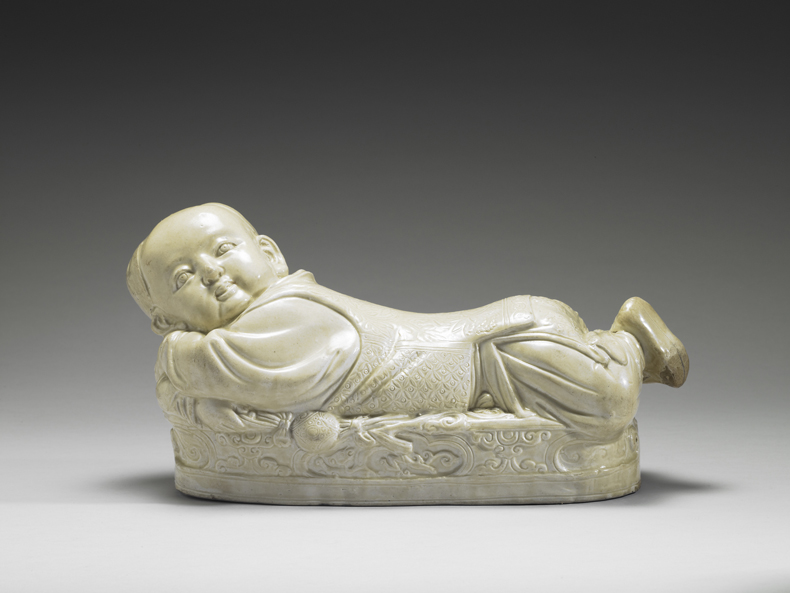
Pillow in the shape of a recumbent child in white glaze (Northern Song dynasty, AD 960–1127)
National Palace Museum, Taipei
A plump child lies on his stomach, legs crossed behind, wearing elaborate brocaded clothing – frozen in ceramic as if the pillow itself were sleeping. Song dynasty potters made ceramic pillows for many purposes, including burial, and this example turns a practical object into charming sculpture. The pillow’s funerary associations show how sleep and death occupy neighbouring territories – both states of stillness, both requiring support for the vulnerable head, here captured in glazed stoneware with ‘tear marks’ where the glaze ran during firing. Click here to discover more.
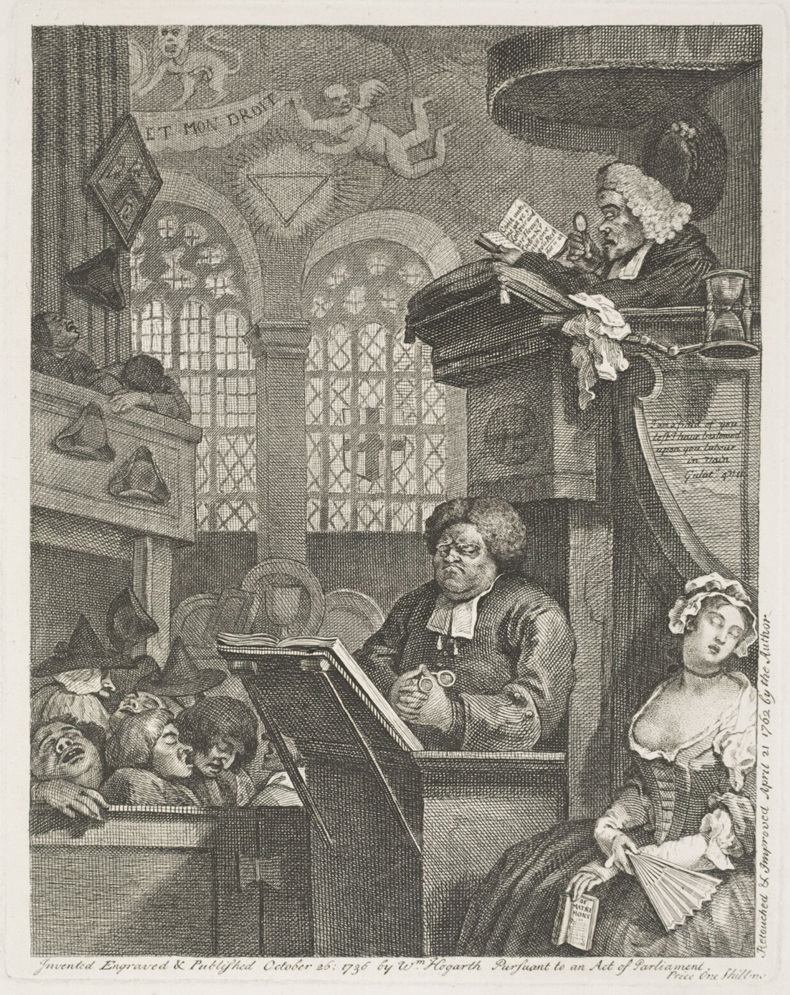
The Sleeping Congregation (1736/62), William Hogarth
Museum of Fine Arts (MSK), Ghent
William Hogarth’s satirical engraving captures an entire church congregation asleep during a tedious sermon, heads nodding, mouths open, bodies slumped. Meanwhile the parish clerk leers at a young woman’s exposed bosom as she dozes, revealing how other people’s sleep can strip away pious pretensions and expose more carnal preoccupations. Here Hogarth delights in the comedy of people opting for sleep over salvation. Click here to find out more.

‘Four things to see’ is sponsored by Bloomberg Connects, a free arts and culture platform that provides access to museums, galleries and cultural spaces around the world on demand. Explore now.