With hundreds of exhibitions and events vying for attention in London during Frieze week, Apollo’s editors pick out the shows they don’t want to miss.
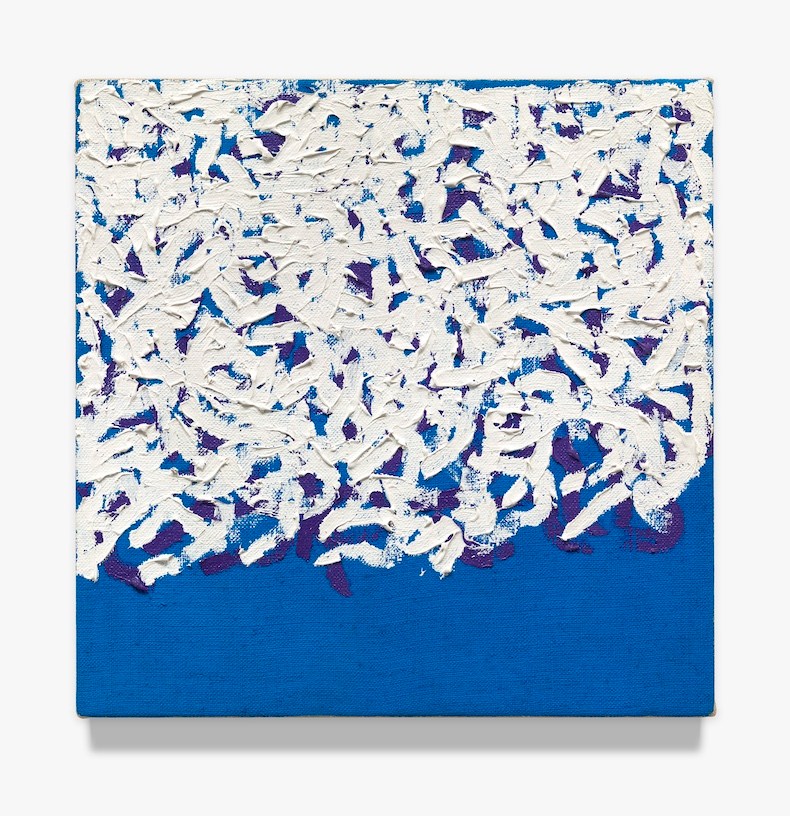
Robert Ryman, who died in 2019, stretched the limits of what was possible to achieve with the colour white. A self-taught artist, he developed a technique called ‘subtracting’, by which he produced a picture in various hues and then overpainted it with white. Those layers beneath are faintly visible and the overwhelming blankness allow the viewer to notice everything about the canvas – ‘If you spill coffee on a white shirt, you can see the coffee very clearly,’ he said in 2007 – from the tiniest variations in colour to the texture of the material, be it canvas, Plexiglas or copper. A survey of Ryman’s work at the Barbican features 60 works from across his career (8 October–28 February 2027).
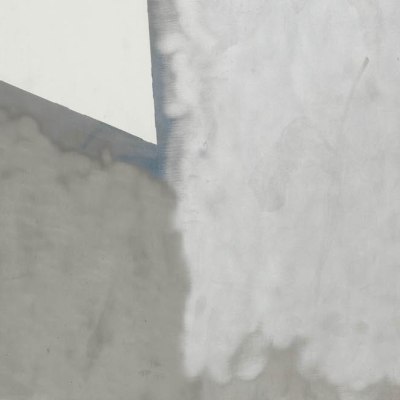
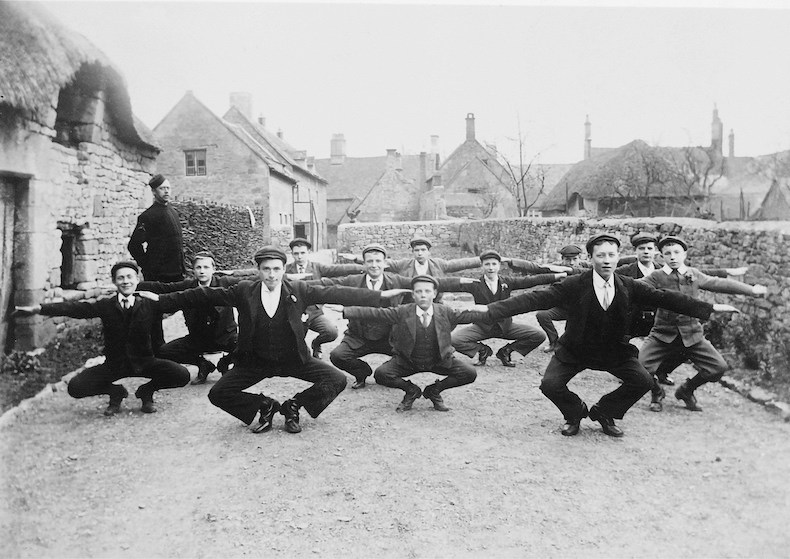
William Morris’s socialist principles stemmed in large part from the idea that everyone was entitled to a safe, secure and, crucially, beautiful home. The William Morris Gallery, in his former house in Walthamstow (which has just opened a rehang and revamp), is the perfect place to host ‘Earthly Paradise’, a delightfully eclectic exhibition that, through photographs, household objects, audio material and more, looks at how individuals and groups have forged very different, often convention-defying notions of home (3 October–28 March 2027). The show moves from depictions of same-sex couples who lived together in 18th- and 19th-century Britain, through the rise of communal and alternative living in the Victorian era, and finishes with work by contemporary artists such as Sunil Gupta and Martin Parr.
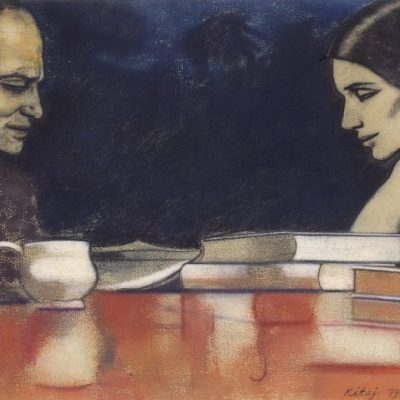
The American-born artist R.B. Kitaj (1932–2007) might be one of the lesser-known and lesser-loved School of London painters, whose reputation has never quite managed to overcome the personal and professional savaging he received from Brian Sewell, Andrew Graham-Dixon and several other critics off the back of his Tate retrospective in 1994. This show at Piano Nobile makes a very good case for his qualities as an artist (1 October–27 November). It focuses on the early part of Kitaj’s career, starting around the time he moved to London, and shows off his penchant for experimentation, with prints, Rauschenberg-esque collages, semi-abstract oil paintings and more on display.

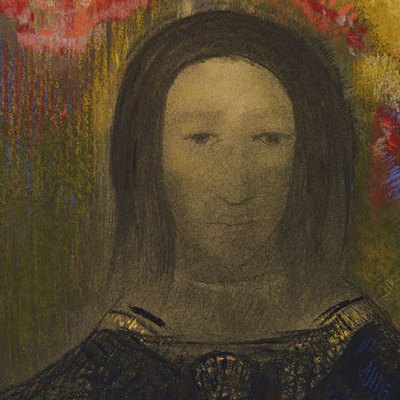
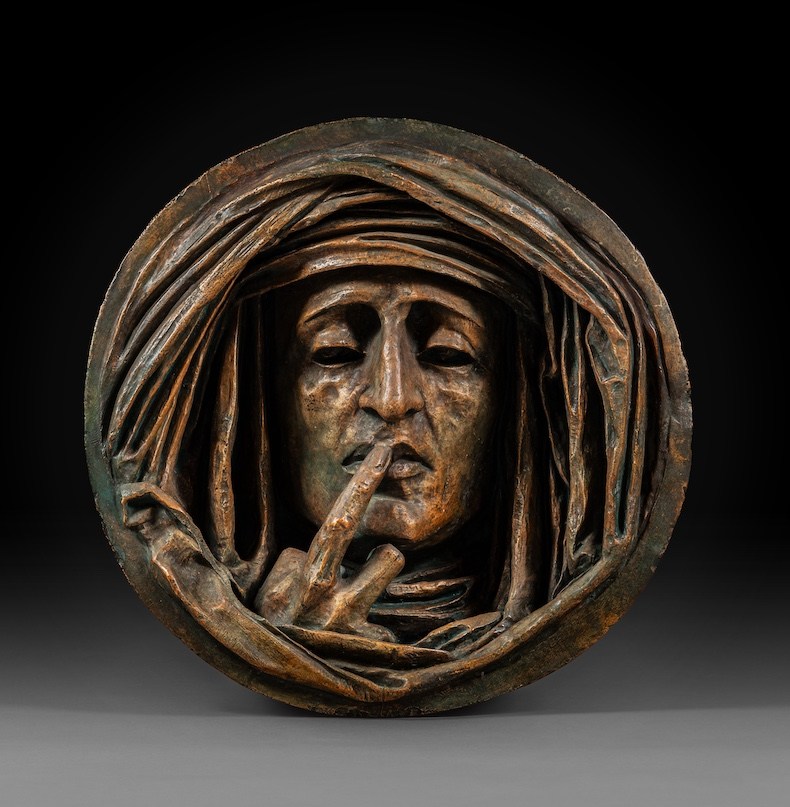
Death and angst are the guiding principles of this exhibition at Stuart Lochhead, which paints a picture of European Symbolism that goes beyond Redon, Munch and the other usual suspects (5 October–6 November). The most interesting elements are several sculptural works, including Jules Desbois’s skeletal Mask of Death (c. 1903–04), George Minne’s Oraison (1894) and Auguste Préault’s Silence, a chilling roundel created for a tomb in Père-Lachaise in 1848 that is shown here as a precursor to Symbolism proper. There are also several later works that show Symbolist influences deep into the 20th century.
Robert Ryman: The Real Thing (Barbican Art Gallery, 8 October–28 February 2027)
Earthly Paradise: Radical Living in the UK (William Morris Gallery, 3 October–28 March 2027)
R.B. Kitaj: From Fragments (Piano Nobile, 1 October–27 November)
Beyond the Visible: Symbolism and Its Legacies (Stuart Lochhead Sculpture, 5 October–6 November)