From the March 2026 issue of Apollo.
In 1961, no middle-class coffee table was without the gigantic yellow novel The Agony and the Ecstasy. Incredibly, 20th Century Fox decided to make a movie of it, even in the middle of its financial collapse caused by Cleopatra. As Irving Stone’s over-researched, plotless book was unadaptable, the screenwriter Philip Dunne decided to ignore it completely and base the story on one episode in Michelangelo’s life: his battle with the Pope over the Sistine Chapel, as told by Giorgio Vasari in 1550. As Groucho Marx said, it would have been cheaper to paint the floor.
In this fantastic retrospective of big-budget movies about painters, Christopher Frayling points out that Hollywood became addicted to trying to portray the sublime artistic moment – and it never could: Charlton Heston’s Michelangelo does a lot of sweating and writhing on his scaffold, which climaxes in an extremely inartistic epiphany of Disney-like cartoon clouds. Followed by the intermission. The producer Richard Zanuck said, ‘No one will cheer us if we come up with something historically accurate.’ Too true.
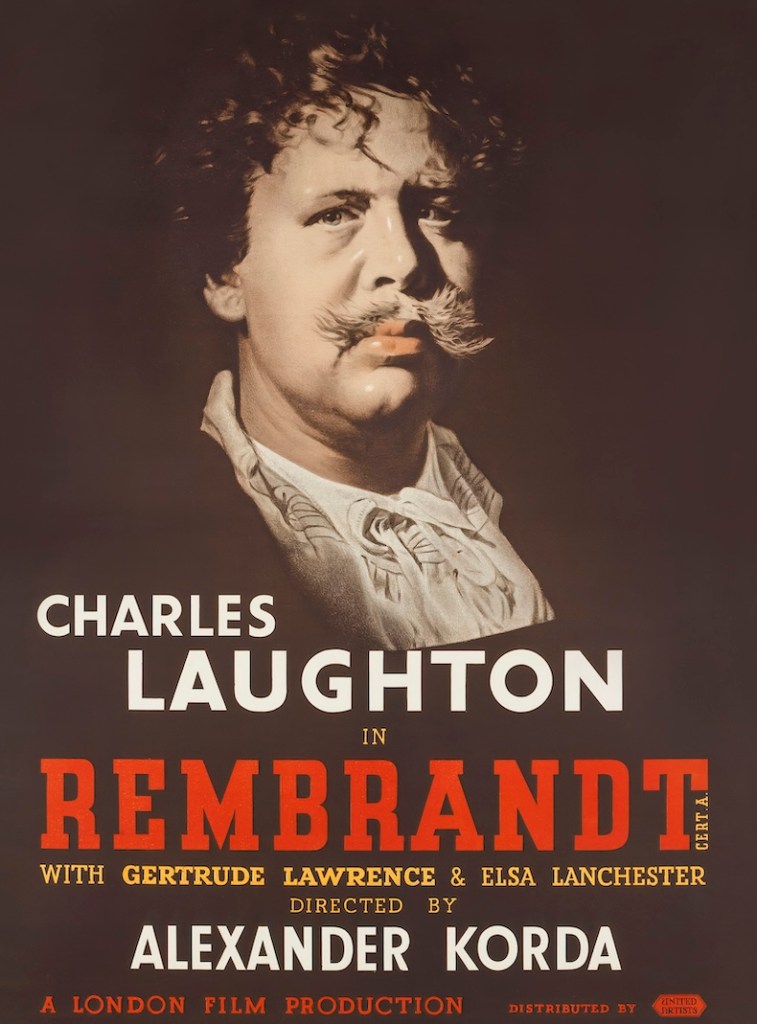
Frayling explores two other ’50s Hollywood milestones about artists: Moulin Rouge and Lust for Life. Before these there had been some stabs at the idea: The Affairs of Cellini (1934), which one critic said must have been about ‘Cellini in his spare time’, as you’d never know it was about an artist, with all the wooing and swordsmanship. Charles Laughton’s Rembrandt of 1936 was notable, but would you guess it was about Rembrandt from the poster’s tagline: ‘The Mad Moment of Love Brought Him a Lifetime of Fear’?
Carol Reed made The Moon and Sixpence (1942), with George Sanders, based on a Somerset Maugham novel. It has nothing to offer about art whatsoever and there is nothing for George to do, playing an Englishman who is, preposterously, supposed to be a wild painter like Gauguin. He just stands there while Impressionism and Tahiti happen all around him, until he gets leprosy. He does look sad about it.
In 1952 John Huston directed José Ferrer as Toulouse-Lautrec in Moulin Rouge, a colourful, delicious film, even if, as Frayling says, it ignored the fullness of the artist’s existence and portrayed him as interminably gloomy and lonely, when he was actually very good company. Lautrec sits in the Moulin Rouge, made by Huston in the hazy style of the artist’s own posters, issuing witty quips. When the barmaid tells him not to drink so fast, he says, hurriedly sketching Jane Avril (Zsa Zsa Gabor), ‘Some men can become President of the Republic. I can drink cognac.’
What most remember now about Moulin Rouge was that Ferrer had to walk with his legs strapped up behind him. Picasso was hanging about Paris while the picture was being shot, and later at parties he would walk around on his knees, imitating Ferrer’s painful get-up. Good thing he never saw Anthony Hopkins with shaved head, black contact lenses and stripy shirt trying to imitate him, in Surviving Picasso (1996).
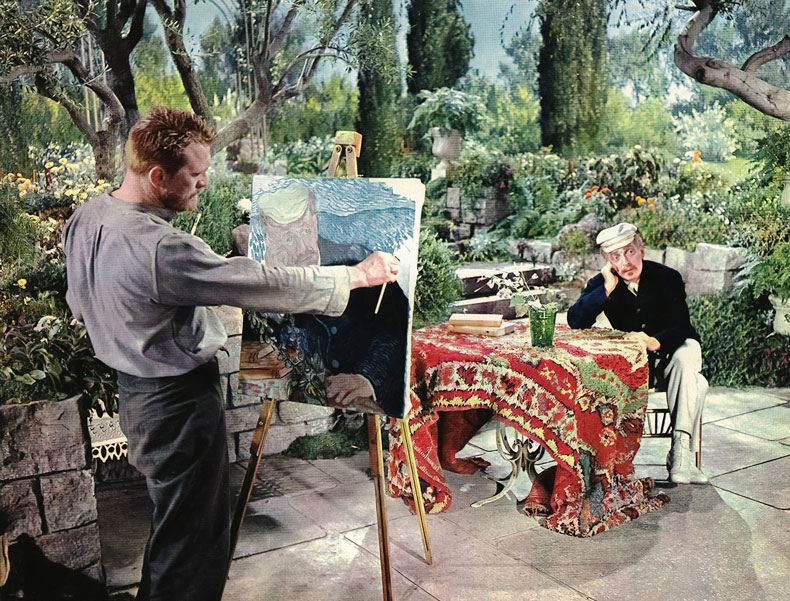
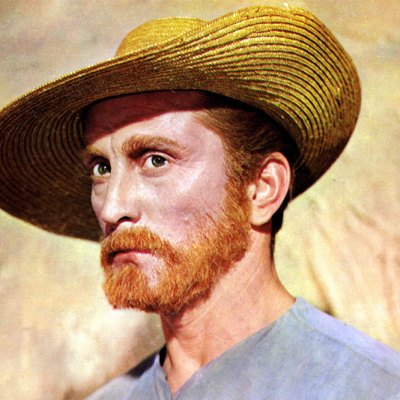
In 1956 Kirk Douglas made a perfect-looking Vincent Van Gogh in Lust for Life, directed by a master of Hollywood colour, Vincente Minnelli. One of the problems faced by those making movies about painters is how to present the paintings: they often opted for a montage of masterpieces which had suddenly somehow come into being. As Frayling notes:
artist-geniuses – whether possessors or possessed – tended to spring fully-formed from their own imaginations, like Athena springing with shiny armour from the split skull of Zeus. It was as if they would be diminished in some way by the admission that they had to learn skills and techniques; actually had to learn anything.
Others decided to have the entire world of the picture look like the work of the artist in question. Minnelli went for that, and while the movie is visually arresting, it short-changes Van Gogh. Kirk, overexcited in red beard and straw hat, lurches around with his easel and inimitable seething, wishing that he could get through, make something meaningful. The script holds Vincent inarticulate, unfairly so, as it is based on his hugely articulate letters to his brother Theo. By this time, though, Hollywood’s, and everybody’s, idea of the artist as beast was here to stay.
Most of these movies never made a dime, so it’s strange that the studios kept trying. Some were vanity projects – as nickel-and-dime as Hollywood was, it was always chasing ‘prestige’. Often it was too tempting not to pass up the rights to books that had sold hundreds of thousands or even millions of copies, no matter how terrible or unfilmable.
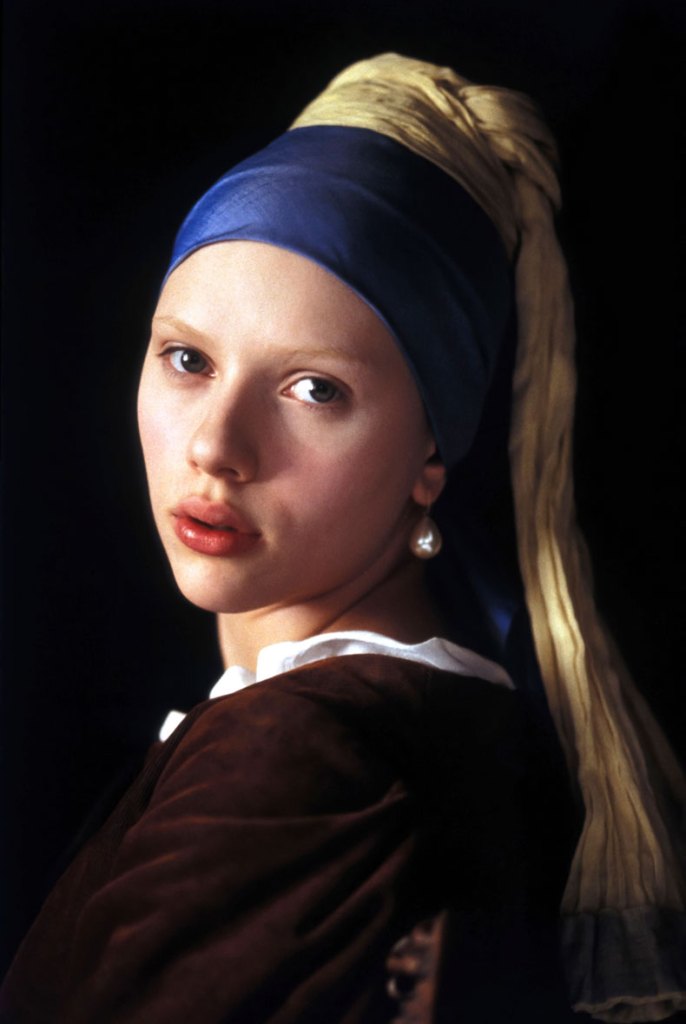
Just when you’re getting the idea that no one has ever pulled off an artistic artist biopic, Frayling concludes with Mike Leigh’s Mr Turner (2014), a truly innovative movie about a painter. It takes pride in its speculations and inventions. We can watch J.M.W. Turner paint, and believe in it; we see him growling like the Wolf Man when he first encounters the cornball works of the Pre-Raphaelites. The man is real and so is the paint: a first.
There are many other movies good and bad, and other treats along the way in this unbelievably enjoyable, gorgeously illustrated book. Frayling seems an indefatigable researcher: would you want to read all the treatments for The Agony and the Ecstasy, every studio memo about it? He’s done the hard work for us, and writes with style and wit. In the end he has to admit that most of these pictures, even those of today, suffer from being trapped in that old Hollywood idea of the artist: dirty, tormented, misunderstood. Hollywood needed the artist to be unhinged, for him to be doomed, carrying the seeds of his destruction around with his brushes rolled up in an attractive leather satchel. And there also had to be an element of Schadenfreude for Mr and Mrs Moviegoer: ‘Well, that guy was pretty fucked up. Let’s go eat!’
The Hollywood History of Art by Christopher Frayling is published by Reel Art Press.
From the March 2026 issue of Apollo.