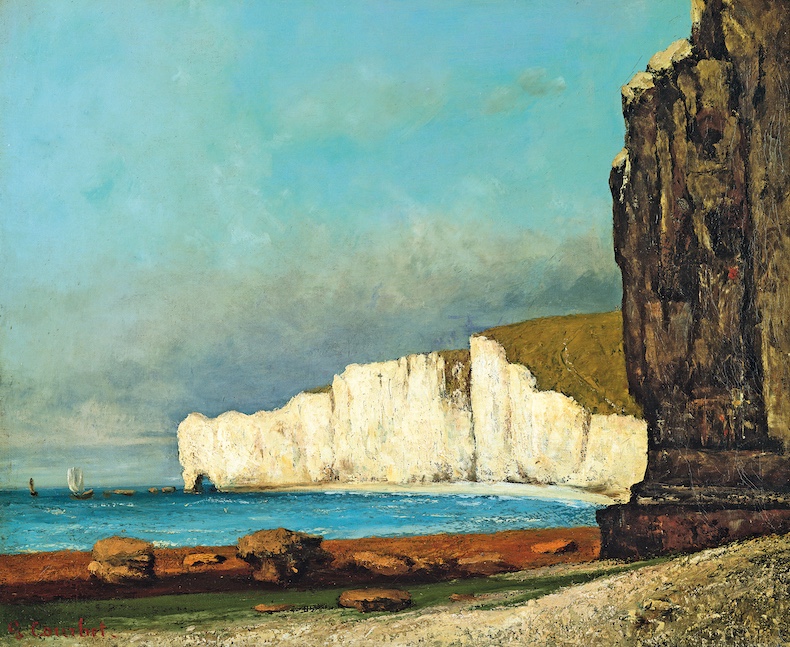
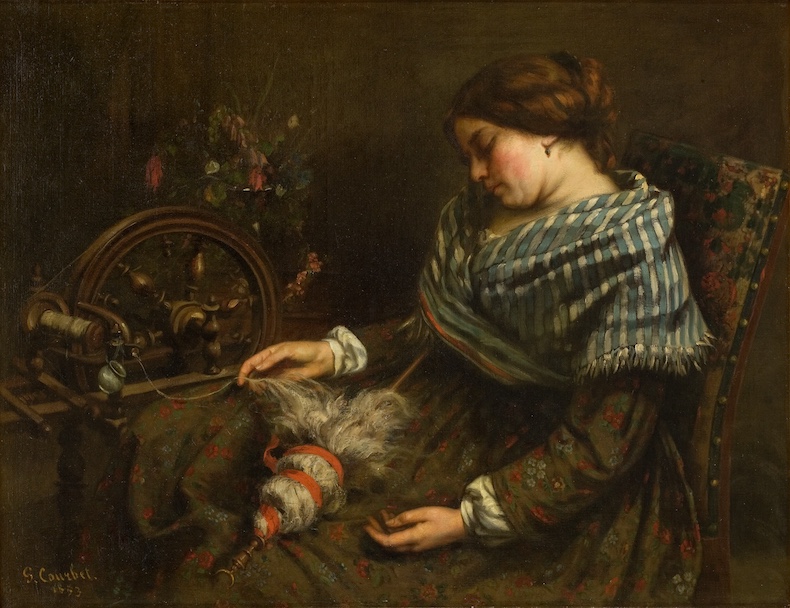
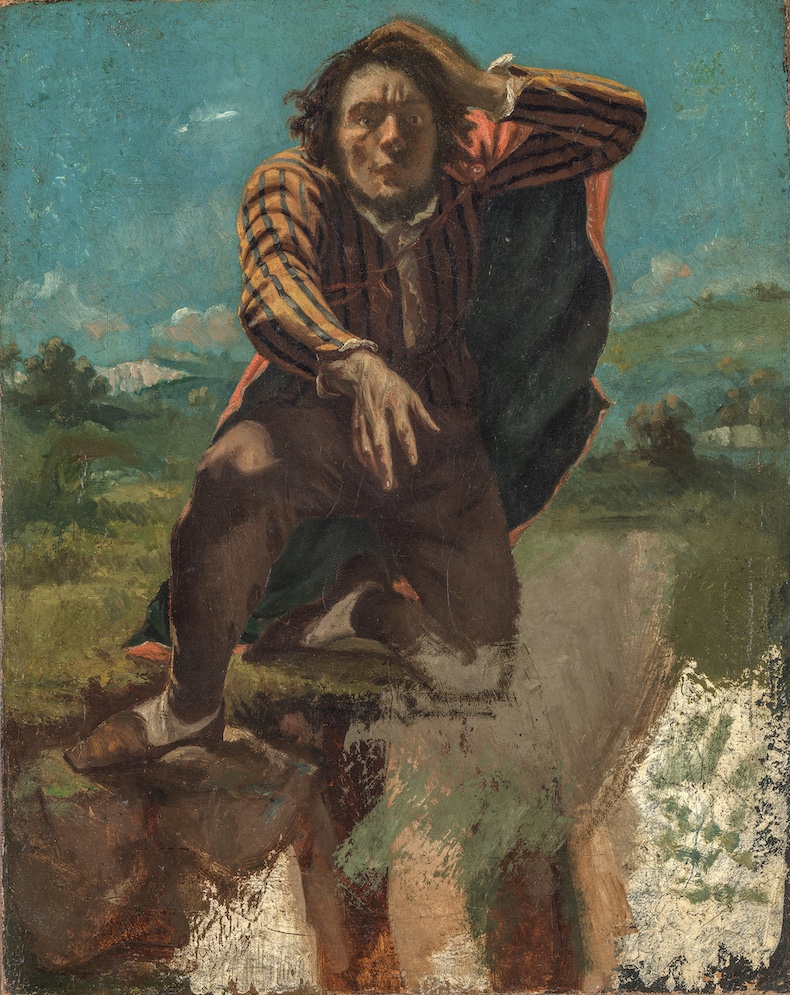
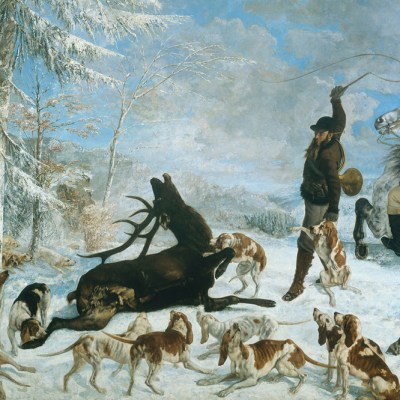
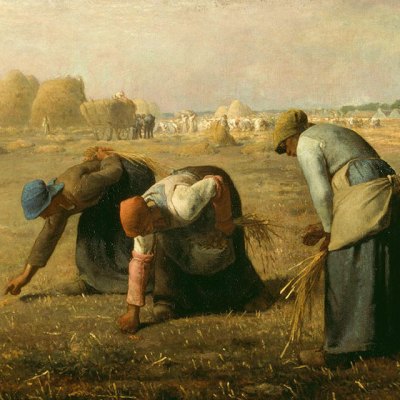
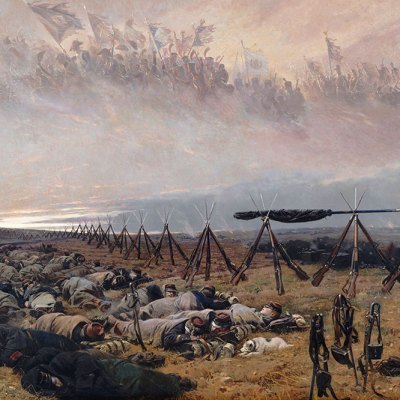
Gustave Courbet (1819–77) had a difficult relationship with the French establishment. As a young man, rather than trying to join the École des Beaux-Arts, he sought out private teachers around France and honed his talent – particularly his growing mastery of light and shade – by copying the work of Caravaggio and Velázquez in the Louvre. Although much of his work was dramatic in composition and lighting, he soon made a name for himself as an uncompromising realist with a strong social conscience, given to depicting everyday scenes such as burials and rural labourers at work. In 1873, having helped destroy a column commemorating Napoleon’s army in the Place Vendôme, he was forced to leave Paris and died in exile in Switzerland. This exhibition at Museum Folkwang in Essen, which has travelled from the Leopold Museum in Vienna, brings together some 90 of the painter’s works from around the world (17 July–8 November). It explores his influence on modern painting and the relationship of his work to photography – an emerging art form in his lifetime.
Find out more from Museum Folkwang’s website.
Preview below | View Apollo’s Art Diary