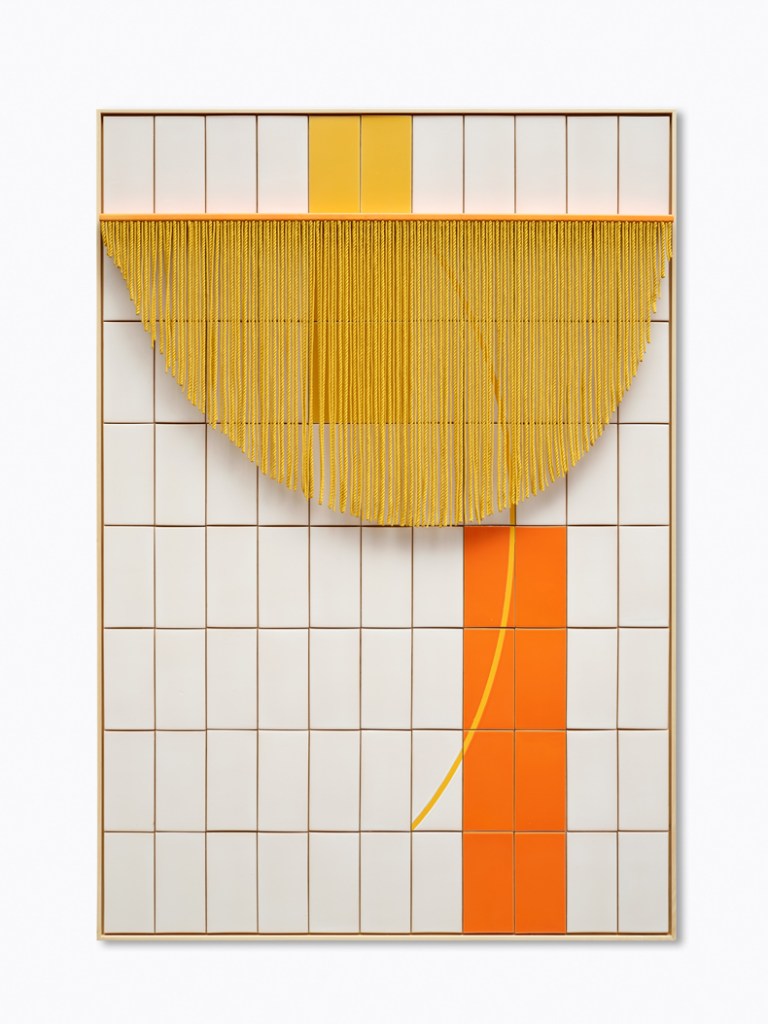
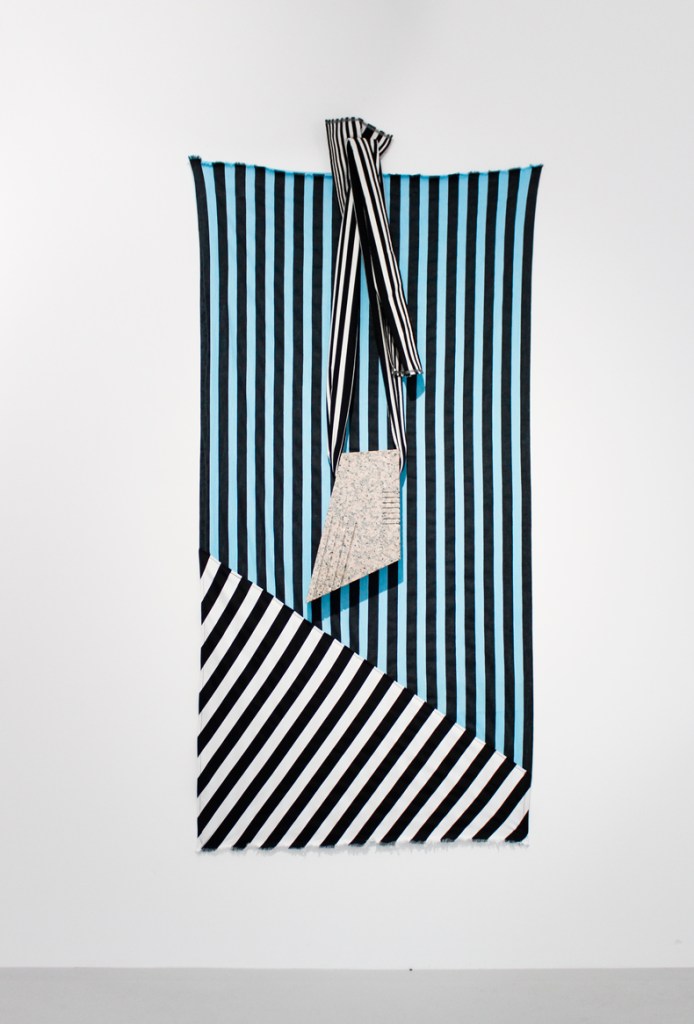
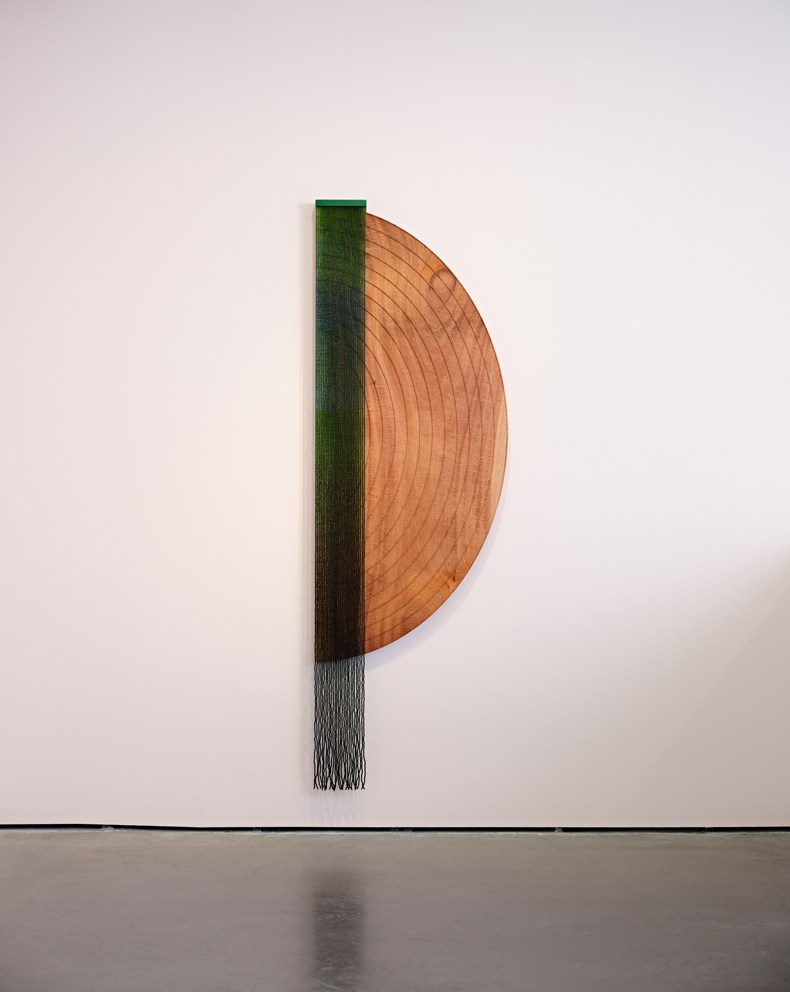
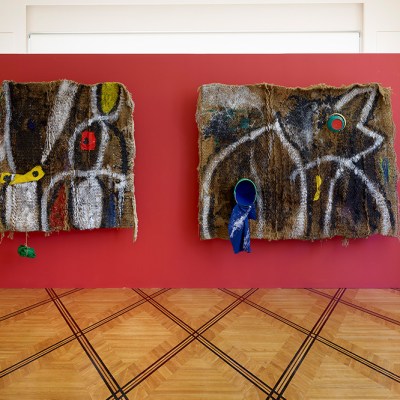
Last year the Canadian artist Kapwani Kiwanga won the Joan Miró Prize. The similarities between the two artists are clear enough: like the Catalan, Kiwanga is drawn to colourful abstraction, restless in experimenting with different mediums and celebrates not only the visual but also the textural capabilities of art. But Kiwanga’s thematic preoccupations are very different: her work, which is heavily informed by research, explores asymmetries of power and the experiences of marginalised communities around the world. Time itself often plays a role: in her best-known work, Flowers for Africa (2012–ongoing), Kiwanga recreates the floral arrangements from various African countries’ independence ceremonies and lets the flowers go from full bloom to rotting shadows of their former selves. This exhibition, which takes up six rooms of the Fundació Joan Miró in Barcelona – her art is most effective when given space to breathe – brings work from across her career together with new pieces, including Shift in Hue, in which a tapestry transitions from blue woad and linen, the kind long produced in Europe, to indigo dye and cotton – an unsettling nod to the era of slavery (until 13 September).
Find out more from the Fundació Joan Miró’s website.
Preview below | View Apollo’s Art Diary