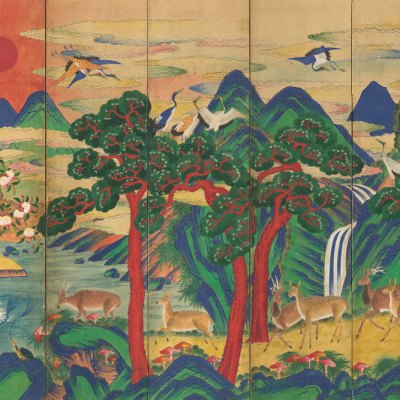
Following early incarnations at the Smithsonian’s National Museum of Asian Art in Washington, D.C., and the Art Institute of Chicago, an exhibition covering 2,000 years of Korea art and culture touches down at the British Museum next month. Curator Sang-ah Kim talks to Apollo about what sets this version of the show apart from its predecessors, how a collection of 23,000 objects was whittled down into a 100-work show, and some of the highlights to look out for.
How did this exhibition come about?
Lee Kun-hee – the former chairman of Samsung – and his family amassed one of the finest collections of Korean objects in the world. After he passed away in 2020, his family donated more than 23,000 of these to Korea’s national museums, who began thinking about how they could be shared with more people. The British Museum, together with the Art Institute of Chicago and the National Museum of Asian Art, discussed the possibility of a touring exhibition with the National Museum of Korea and the National Museum of Modern and Contemporary Art Korea. The British Museum has a longstanding relationship with the national museums of Korea, which were involved in our last exhibition of Korean art in 1984 and in the opening of our permanent Korea gallery in 2000. This exhibition is the culmination of that partnership.
Why did you want to put on this exhibition at this time?
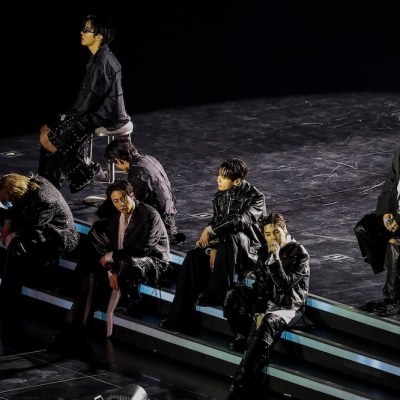
Korean pop culture is really visible these days. People know more about contemporary Korea than they did even ten years ago, but they don’t necessarily know about the history. This show, I hope, can answer their questions.
How does this version of the show differ from the early versions at the Smithsonian’s National Museum of Asian Art and the Art Institute of Chicago?
Each venue has its own audience and space, so our show is very different from their versions. In Washington they focused more on collecting; in Chicago they showed a lot of paintings. Here, as we haven’t had a dedicated Korea exhibition for a long time, we wanted to give a more comprehensive view. Korean pop culture is so hot right now, and we wanted to explore where that energy is coming from. Is there anything behind it that links to history? We’re connecting the present to the past: the oldest object is from 300 BC and the most recent is a self-portrait by Do Ho Suh from 2019.
The exhibition spans more than 2,000 years of Korean art and culture. Do any particular themes or motifs appear across the collection?
Our show is about 2,000 years of creativity, so that is a big theme of this exhibition, as are resilience and innovation. Korea is not that large; it’s a bit smaller than the UK and is a neighbour of China and Japan, but it still maintains a unique identity and culture. I think those elements – creativity, resilience and innovation – have created a pattern that extends from the historical period to the contemporary.
How was it decided which works would feature?
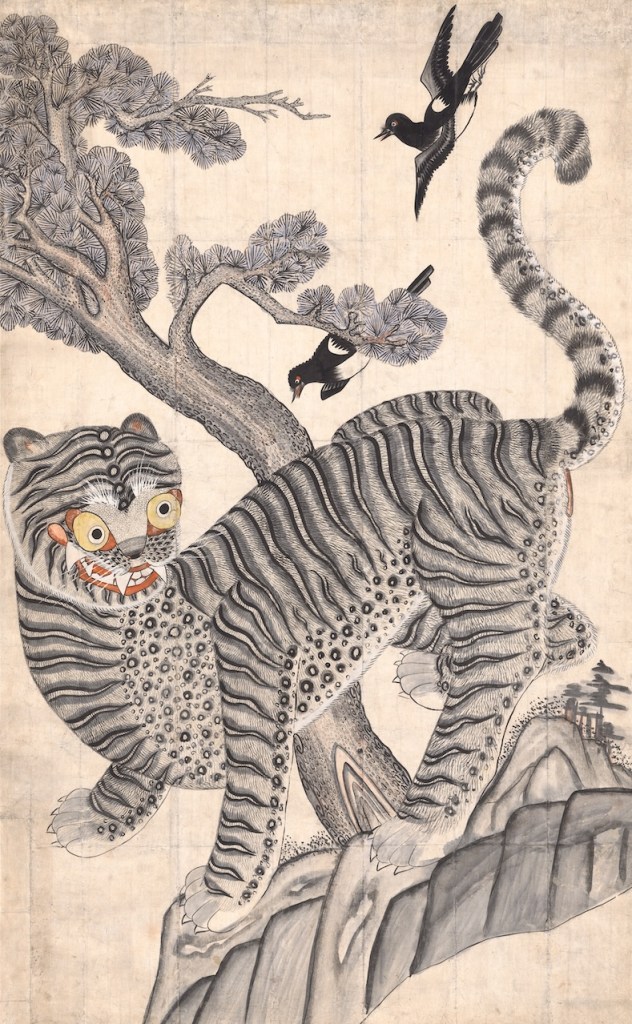
It was a happy problem – like having a shopping list but only being able to put a limited amount in your cart! We were advised to choose 100 objects, and I wanted to include those that were known to Korean people as well as objects that would tell a coherent story across two millennia, representing Korea’s distinctive culture in a way that was accessible.
What are some of the highlights of the exhibition?
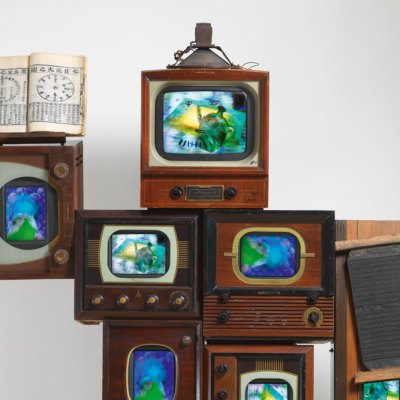
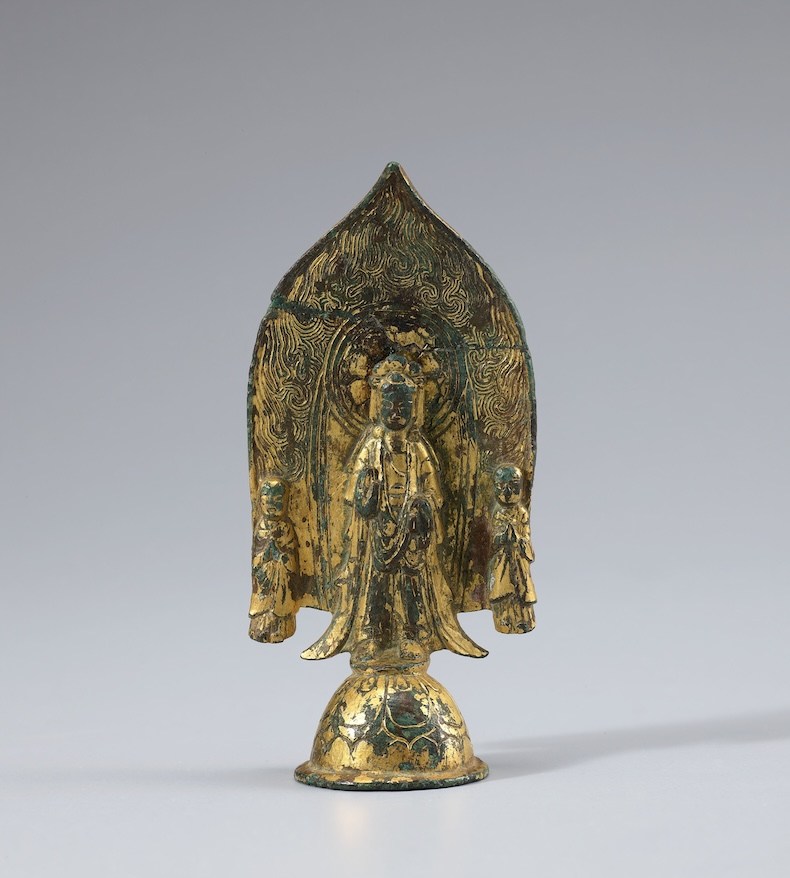
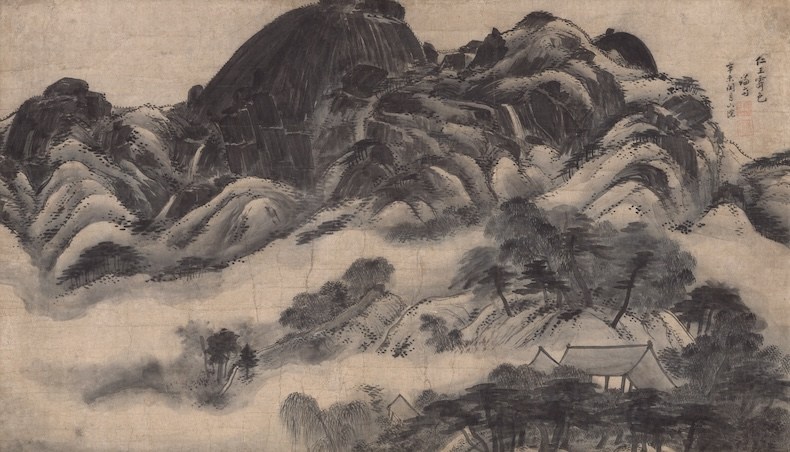
The first object is a sixth-century Buddhist triad sculpture from the Three Kingdoms period, when Buddhism was introduced to Korea. It shows not only skilled metalwork but also how iconography was transformed. In China, Buddha was always placed in the centre of the triad, next to Boddhisatva, but in this example Boddhisatva is in the centre with monks to the side. The second is an 18th-century ink painting by Jeong Seon, depicting a mountain in Seoul in summer after the rain. Prior to this, a lot of artists painted idealised Chinese landscapes, but he painted his own surroundings instead. His work is extremely important to Korean art history – this painting is a National Treasure – and is one of the first acquisitions Lee Kun-hee made with his wife. Nam June Paik’s work is another highlight. He is maybe the first Korean artist who gained truly international stardom, connecting West and East, past and present.
How does the Korean government decide which objects are designated National Treasures?
‘National Treasure’ is the highest designation of Korean cultural property for something that has historical, artistic or cultural significance. A governmental committee considers rarity, authenticity and the condition of these objects in making their selections. This exhibition includes 23 designated objects.
Do you have a favourite object on display?
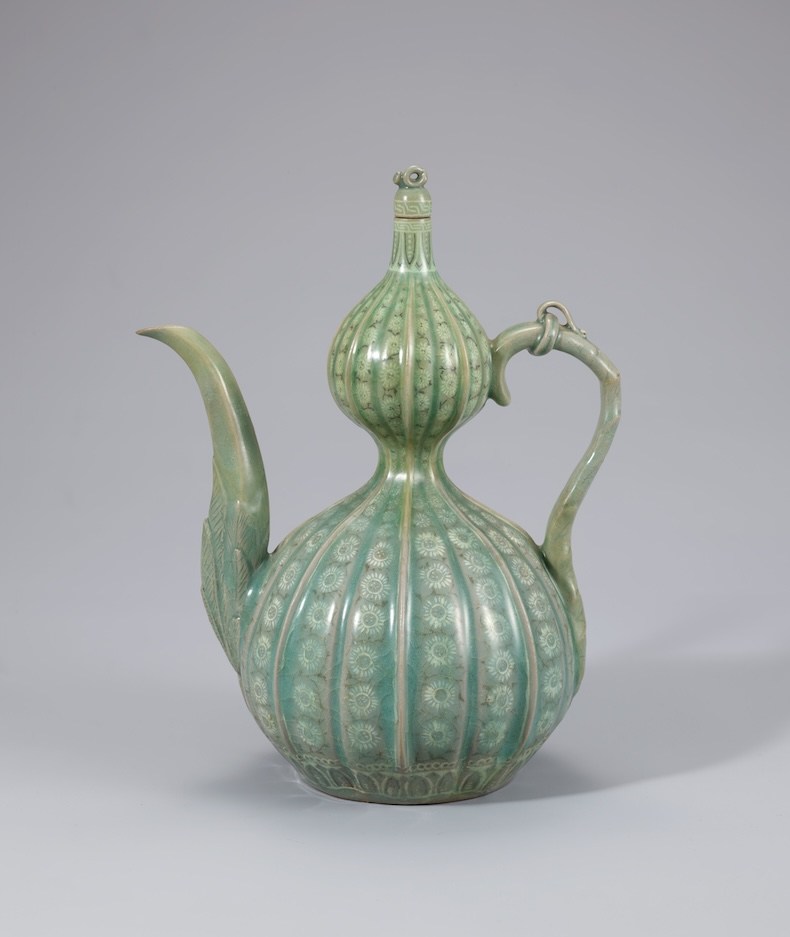
There are so many, but I really like the works in the section dedicated to the Goryeo period (918-1392). This includes celadon ceramics that show the finest craftsmanship; one of their innovations was the inlaid celadon technique, in which the surface was incised, filled with white and black slip, covered with the glaze and then fired. In this section you can also see inlaid metalwork and lacquerware, showing how this technique was shared between different mediums.
‘Korea’ is at the British Museum, London from 1 October–31 January 2027.