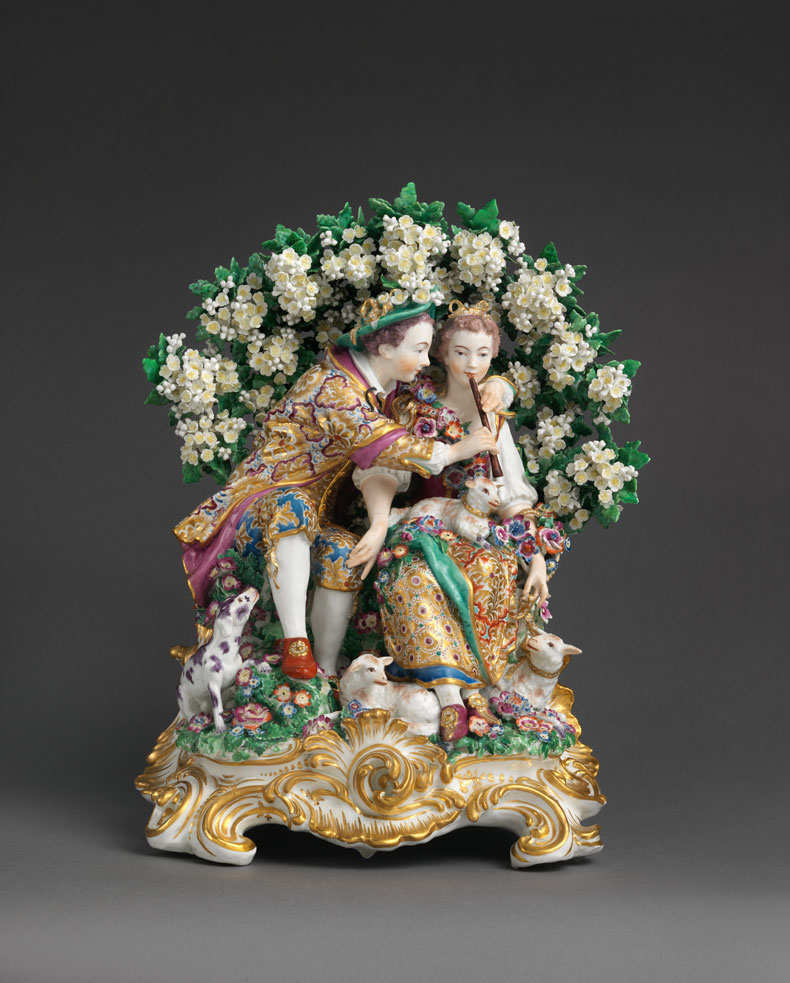
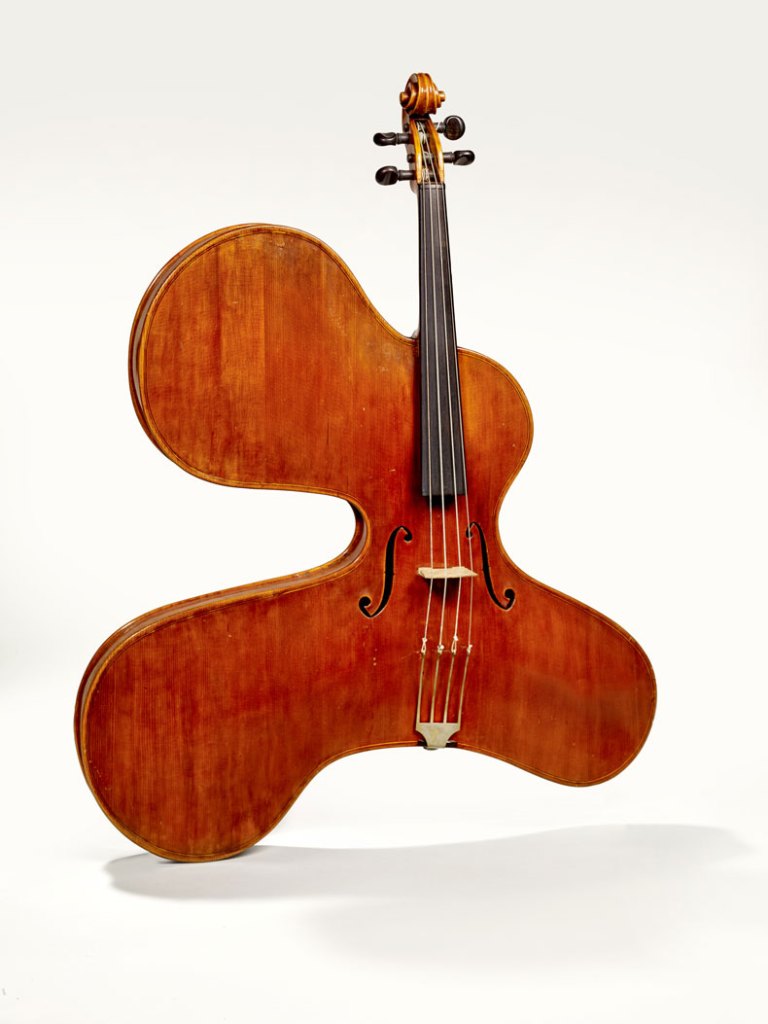
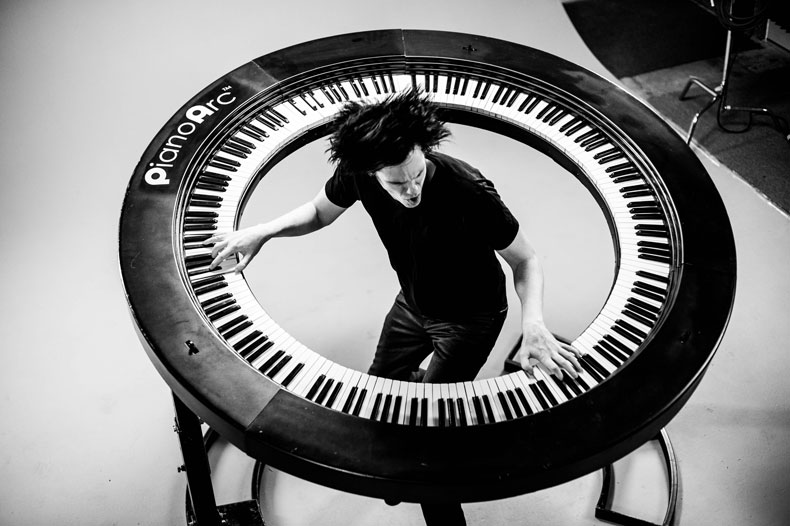
Many cultures regard music as the pinnacle of the arts, but musical instruments are usually seen as, well, tools. In bringing together some 130 items spanning 4,000 years, the Met suggests that musical instruments can be just as artistic as the sounds they produce (7 June–27 September). Many of the most striking examples are string instruments, from the Violina Harpa Forma Maxima (1874), an Austrian-made violin with a truly delightful shape, to Nam June Paik’s TV Cello (1995), a playable cello the body of which is made up of three hollow but working televisions. Curlicued horns and woodwinds make a strong showing and lovers of percussion can marvel at ancient Egyptian rattles, African drums and a piano with a keyboard that fully encircles the player. Also on display are specially commissioned videos of contemporary performers tap-dancing, beatboxing and whistling – a happy reminder that our bodies are instruments too.
Find out more from the Met’s website.
Preview below | View Apollo’s Art Diary