From the July/August 2026 issue of Apollo.
The largest event dedicated to art and objects made by Indigenous people in Africa, Oceania, the Americas and elsewhere celebrates its 25th anniversary in Paris (8–13 September). Here are five objects not to miss.
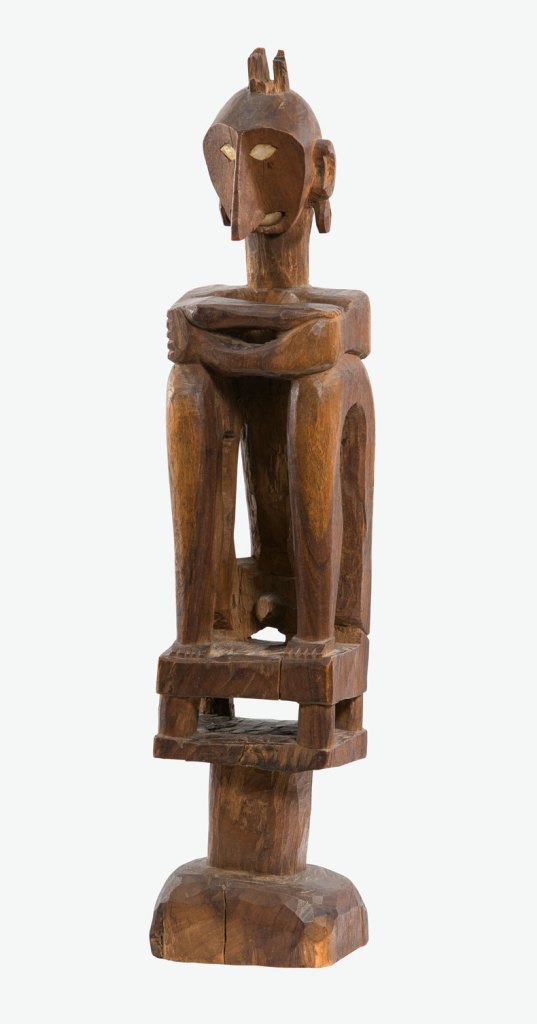
This seated figure was crafted by a Leti maker in what is today part of Indonesia. It would have sat atop a post in a village centre and was seen as a conduit to deceased ancestors. Male figures such as this one, which is relatively large for its kind, were called upon to resolve status issues. This item once belonged to the Surrealist André Breton; its affinity with European modernist sculpture – note the elongated features – is very much in evidence.
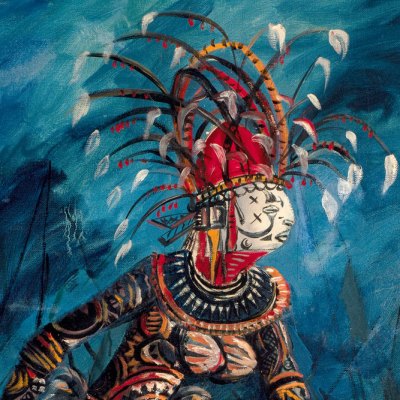
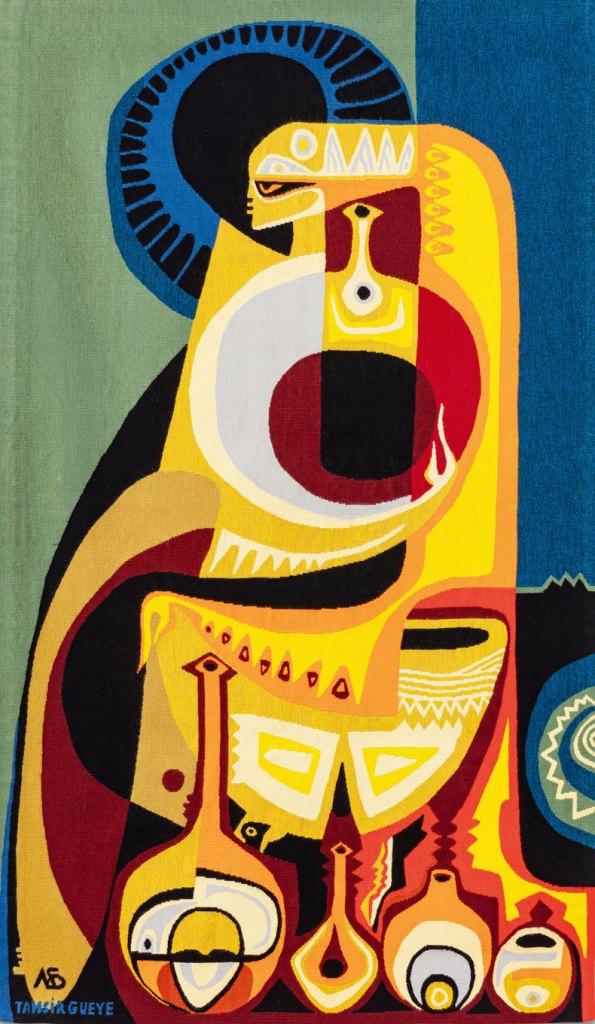
In 1966 the Manufactures sénégalaises des arts décoratifs was established in Thiès, some 70km east of Dakar, under the aegis of the president of Senegal, Léopold Sédar Senghor. Among the many works made there is this monumental abstracted rendering of a potter, conceived by Tamsir Gueye, who designed colourful, heavily stylised figures with elongated eyes, often seen in profile.
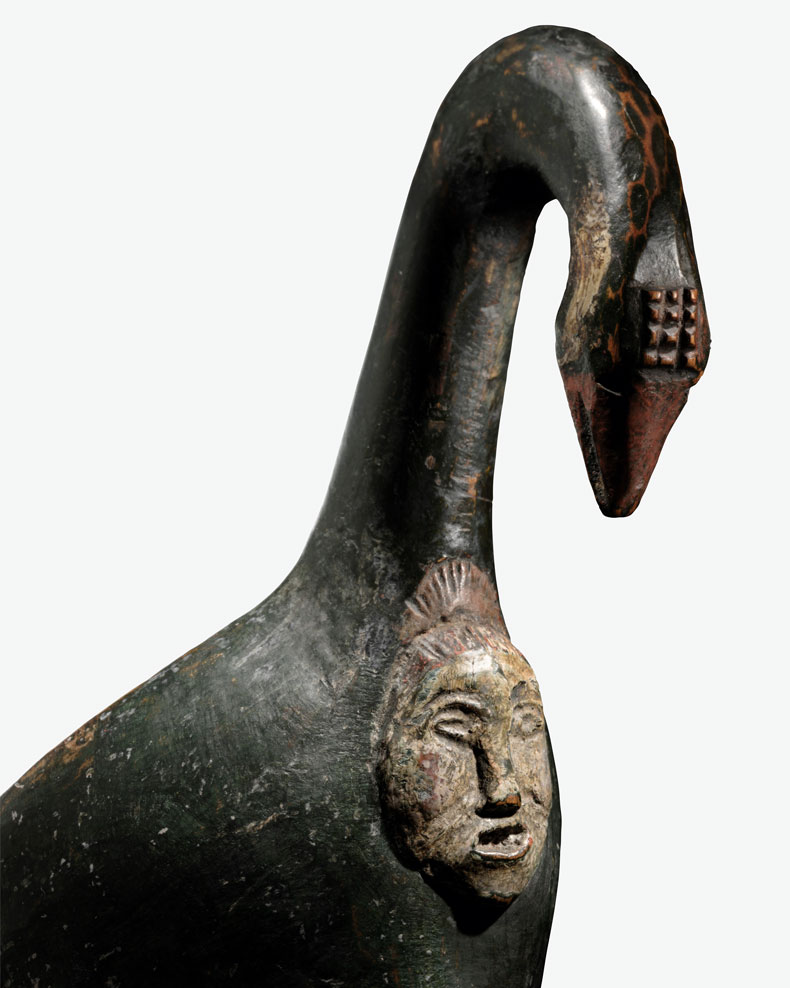
This ceremonial drinking bowl, shaped like a swan and decorated with a protective grotesque visage on its front, was made in Telemark, a region west of Oslo. Though best known now for its ski slopes – and for a daring mission in which Norwegian commandos put a Nazi-controlled hydroelectric plant out of action during the Second World War – Telemark was once a centre of craft production. This vessel, used in weddings and other ceremonies, is a graceful example of that history.
Gallery, Helsinki Photo: Vincent Girier Dufournier; courtesy Tischenko Gallery
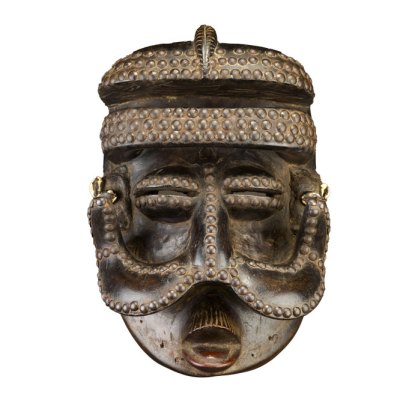
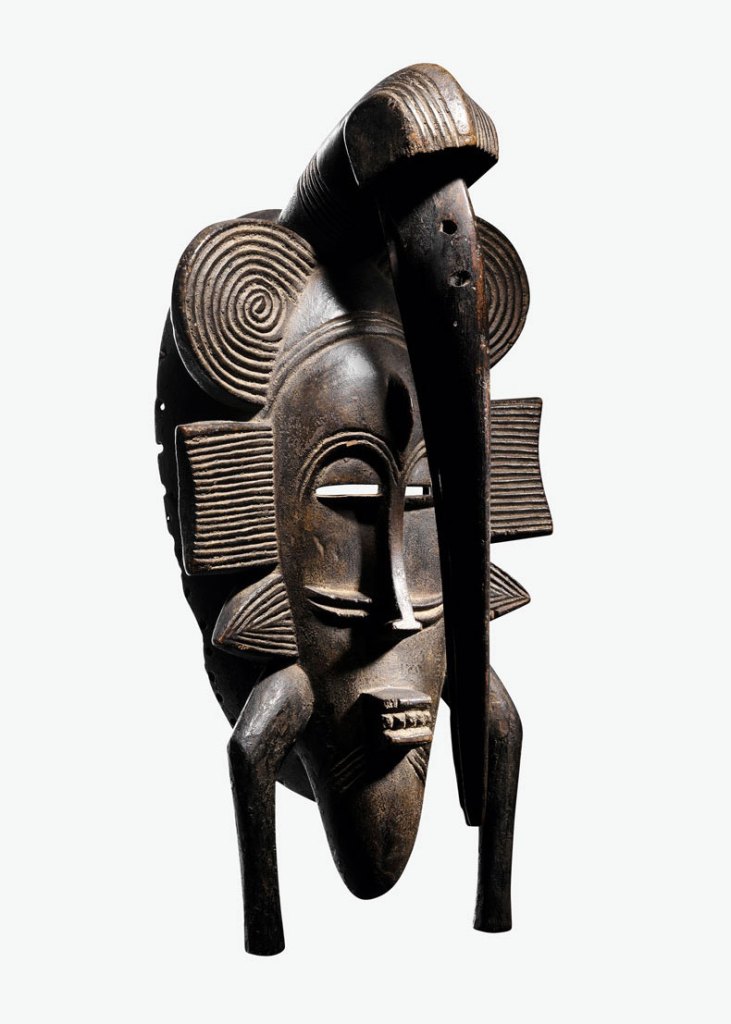
Senufo men of northern Côte d’Ivoire were members of a society called Poro, whose chief deity was a spirit known as the ‘Ancient Mother’. Though the kpelie ritual masks made by Senufo craftspeople were worn only by men, they represented feminine beauty and fertility. This mask, on display as part of a selling exhibition of Ivorian objects from the collection of Max Itzikovitz, stands out for the hornbill beak that swoops sharply to below the mouth.
Dulon, Paris. Photo: Vincent Girier Dufournier/courtesy Galerie Bernard Dulon
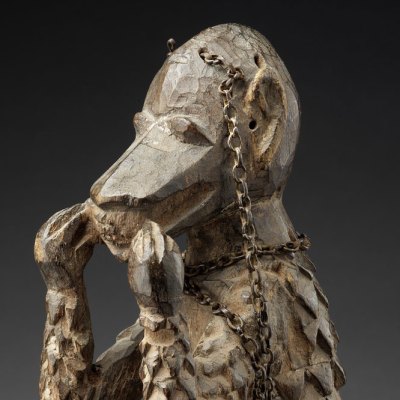
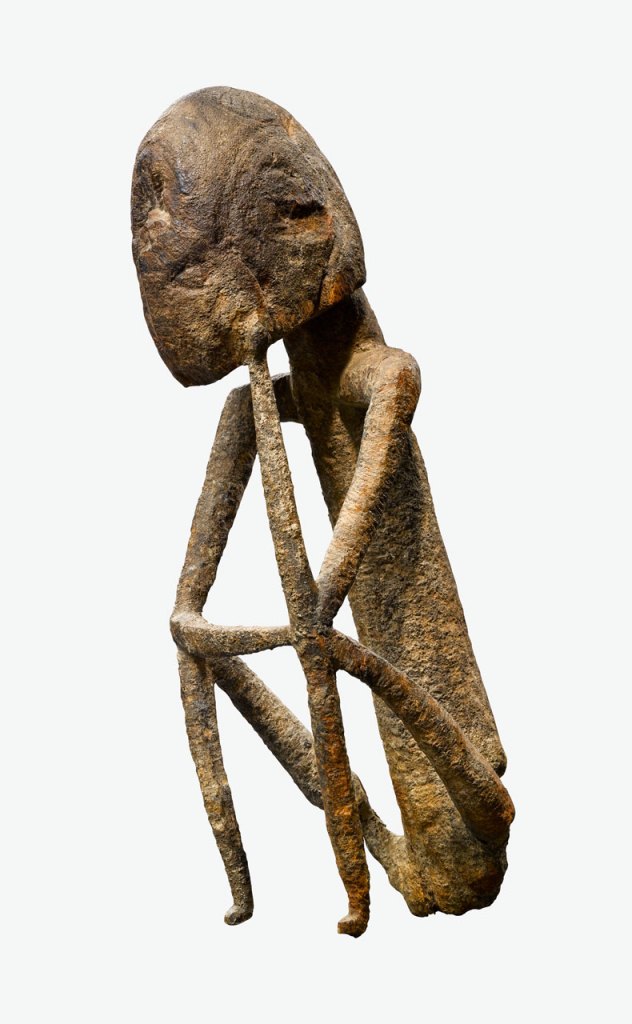
One of the most exciting aspects of Parcours des Mondes this year is a non-selling exhibition of work from the collection of Jan Calmeyn (b. 1942), a Belgian sculptor with an eye for works characterised by expressive gesture. This ‘thinker’ hewn from wood is distinguished by its pose: whereas many Dogon figures from this period have their hands visible – often raised, perhaps in a plea for rain – we catch this character in a pensive, even melancholy mood, anticipating Rodin’s Thinker by centuries. It’s not just the pose that separates it from most Dogon sculpture: it’s also the spindly limbs, which give the piece a modern, minimalist air.
From the July/August 2026 issue of Apollo.