Paul Thomas Anderson knows a thing or two about film music. Last year’s well-accoladed One Battle After Another so artfully deployed classics by the Jackson 5 and Steely Dan as to make them seem brand new, composed for the movie itself. In recent years he has filled the gap between features with musical projects: music videos for Haim, a short film with Thom Yorke, and Junun (2015), his hour-long documentary capturing the collaboration between Jonny Greenwood and a group of Rajasthani musicians.
With Cameron Winter at Carnegie Hall, he has made a full-on concert film. Capturing a piano concert given by the Geese frontman in December 2025, Cameron Winter arrives with auteur stamp firmly affixed. There are no talking heads here, no fan testimonials or green room jitters. Shot on a combo of long-lens 35mm and grainy 16mm handheld, Anderson aims to put you right there in the room for Winter’s elevation to rock-god status.
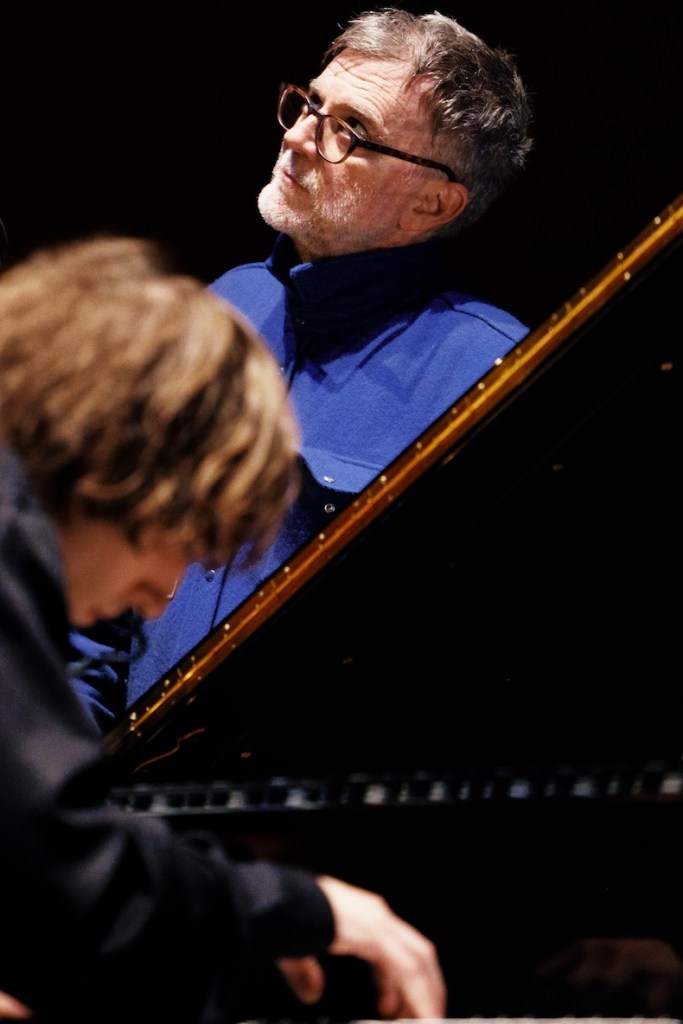
The Park Slope singer plays with his head down and his back to the audience, plunking and moaning his way through his solo album, Heavy Metal (2024), and a handful of unreleased tunes while various camera operators (Benny Safdie and Anderson among them) peer through his expensively mussed brunette mop, searching for a glimpse of his expression. There is some camera choreography here, cuts to the changing lightbeams and one particularly bracing movement where the film gives us a brief look at the backstage clockwork before dollying right up to Winter’s face. But otherwise we have only the balladeer and 2,700 of his closest friends to hold our attention.
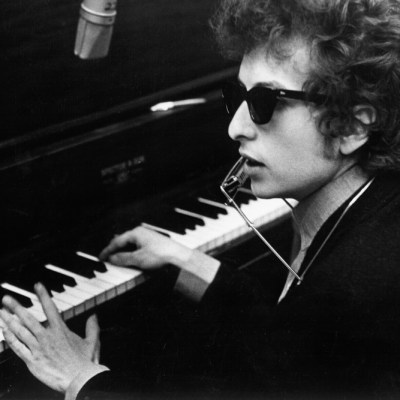
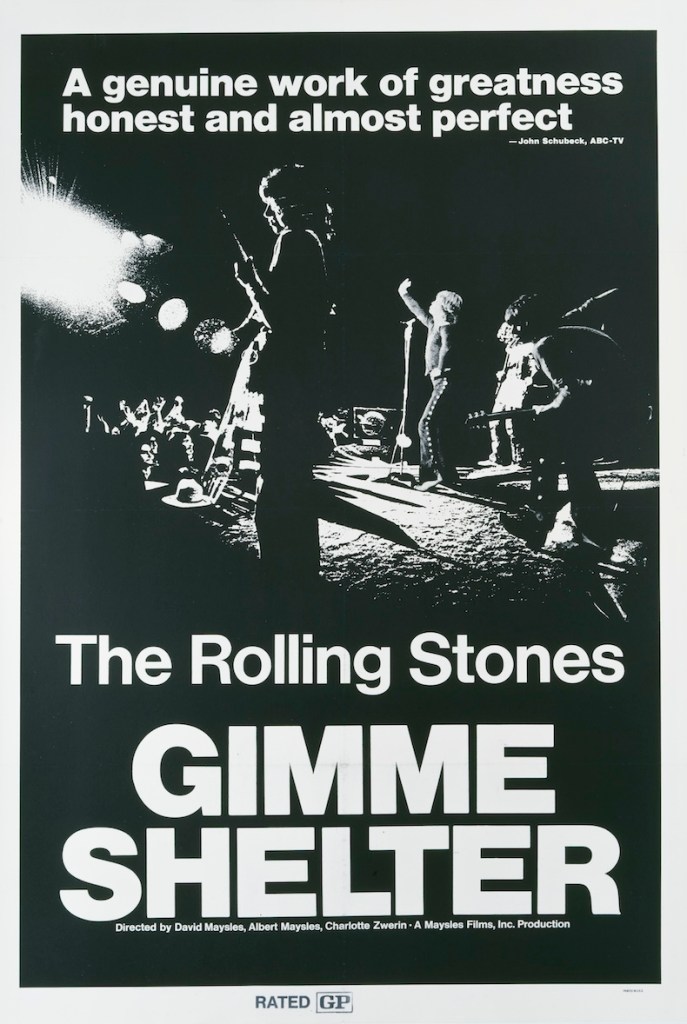
On a basic level, the concert film is a document of a moment in time, whether capturing a particular tour (Gimme Shelter) or festival (Woodstock) or one-of-a-kind performance (Beyoncé’s Homecoming). Yet by declaring a certain musician or subculture worthy of our sustained attention, they also canonise the artists involved. The Bob Dylan who stomps and sulks his way through Dont Look Back was already one kind of star, but his transfiguration into a filmic image made him an icon in the musical firmament. The music made him a star, but without the image, there would be no coronation.
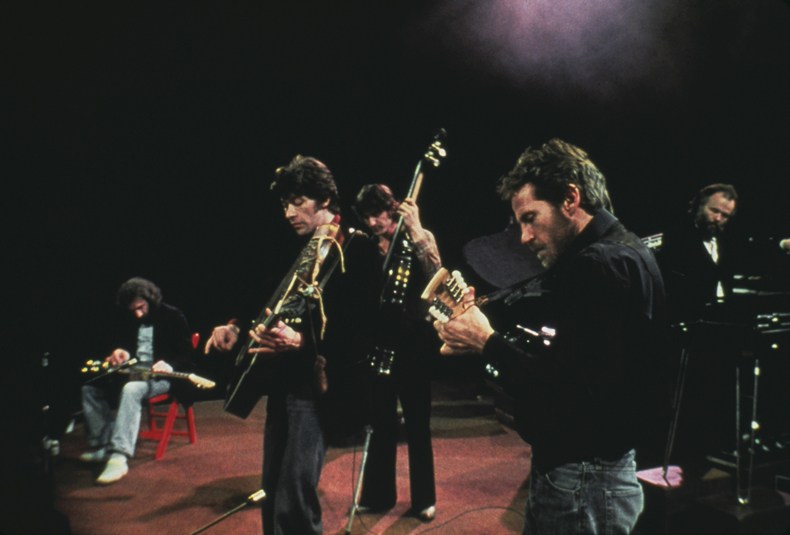
Pennebaker captured an artist at the beginning of his career. Other artists seek out a film-maker at the end, when their legacy is at stake. The Band asked Martin Scorsese to film its final Thanksgiving Day concert in The Last Waltz and used the film as an excuse to get back in the studio one last time. Fade to Black ostensibly captures Jay-Z’s last show and his retirement from the music industry; 22 years and seven albums later, it has become a document of a rapper unsure whether he should be a businessman or, well, you know. These are valedictory films and the celebrations are only slightly undermined by the reunions, the cash grabs and the music press score-settling yet to roll over the horizon.
Personally, I prefer the concert movie made at the heart of an artist’s career, without the hype of an opening salvo or the potentially false finality of a break-up. The shapeshifting, time-slipping qualities of Jem Cohen’s Instrument (1999) reflect Fugazi’s probing and exploratory music, marking the band’s emergence from D.C.’s dying hardcore scene and on to a national stage defined by Clintonite prosperity and major label predation. Yet where their peers cashed in and crashed out, Ian MacKaye and Co. kept going, and so Cohen’s film keeps on too, moving from underground home camcorder footage to step-printed 8mm montages and big-stage multi-cam freakouts; mind-expansion with a sharpened straight-edge.
At this point, Instrument is as much a piece of Fugazi’s legacy as any concert that Cohen captured. The film makes its own claim on the canon, establishing both subject and document as worthy of attention, and of remembrance. PTA is up to something similar with Cameron Winter at Carnegie Hall, trying to transform a single concert by a lone songwriter into an epochal event by a generational talent. Unfortunately, Winter is not quite ready for this treatment. Hunched tight over the Steinway grand piano, he sings like a man who learned about love from a podcast. His low register sounds like Robert Goulet; his falsetto like an audition for The Lion King. Stripped of their post-ironic laptop arrangements, his lyrics ring hopelessly phony, a second-hand assemblage of pseudo-surrealism and pop history 201 reference points. This torpor infects Anderson’s film-making, producing an uncharacteristic quantity of static, dehydrated images – a fitting counterpart to Winter’s microwaveable aesthetics.
Cameron Winter at Carnegie Hall announces itself as the arrival of a major artist, as documented by the great auteur of his generation. Anderson will probably make a great concert film someday and Winter might eventually write a great song. For now, at least, they’ve both jumped the gun.
Cameron Winter at Carnegie Hall (dir. Paul Thomas Anderson) is in selected US cinemas now and will be on wider release from 28 January 2027.