From the June 2026 issue of Apollo.
For her first book, Talk (1968), Linda Rosenkrantz recorded thousands of hours of conversations with her arty friends over the course of a summer in the Hamptons. She then edited the transcripts into a series of dialogues between three characters. Many others are namedropped, psychoanalysed, gossiped about. Among them is Clem Nye, a troubled and talented ex of the male interlocutor. Pseudonyms are used throughout but Nye is actually an amalgamation, based on two men: the artists Paul Thek and Peter Hujar. (Rosenkrantz also wrote Peter Hujar’s Day, based on a transcript from 1974 that was published in 2021 and recently adapted into a film directed by Ira Sachs.)
Andrew Durbin’s dual biography of Thek and Hujar is full of details like this: moments when the lives and work of the two artists overlap. The book takes as its chronological frame the two decades, from the mid 1950s to the mid ’70s, of their close yet complicated friendship – and brief romantic entanglement – followed by a gradual estrangement. The epilogue informs us that the pair still weren’t talking when Hujar died of AIDS-related pneumonia in November 1987; Thek’s death from the same disease came nine months later. But those final years are not the focus here. ‘The lives of the artists who died of AIDS have often been read backward, through the lens of the disease,’ writes Durbin. ‘They are seen as tragic, twilight figures.’
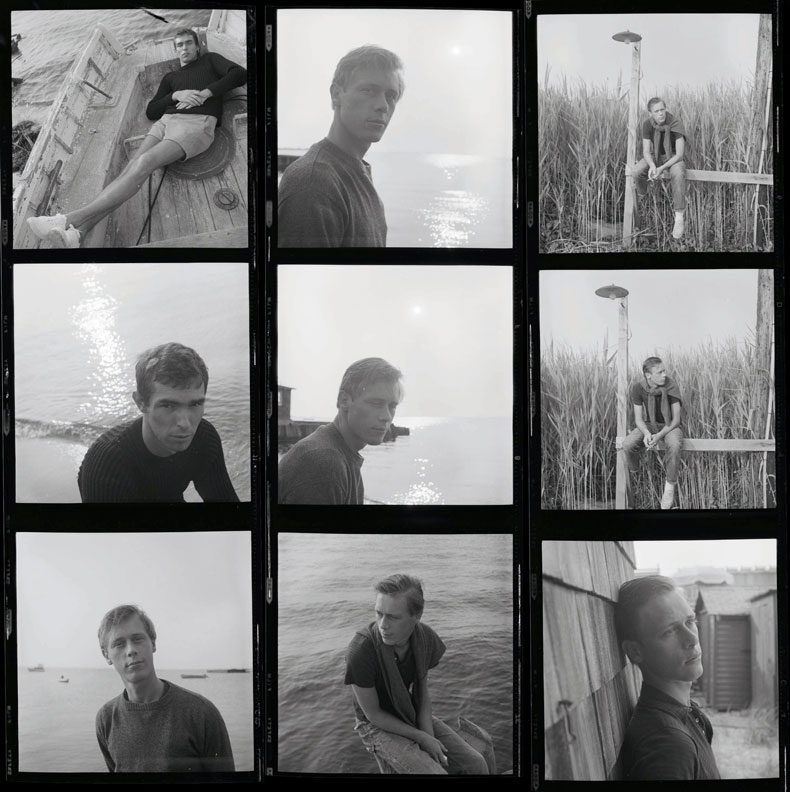
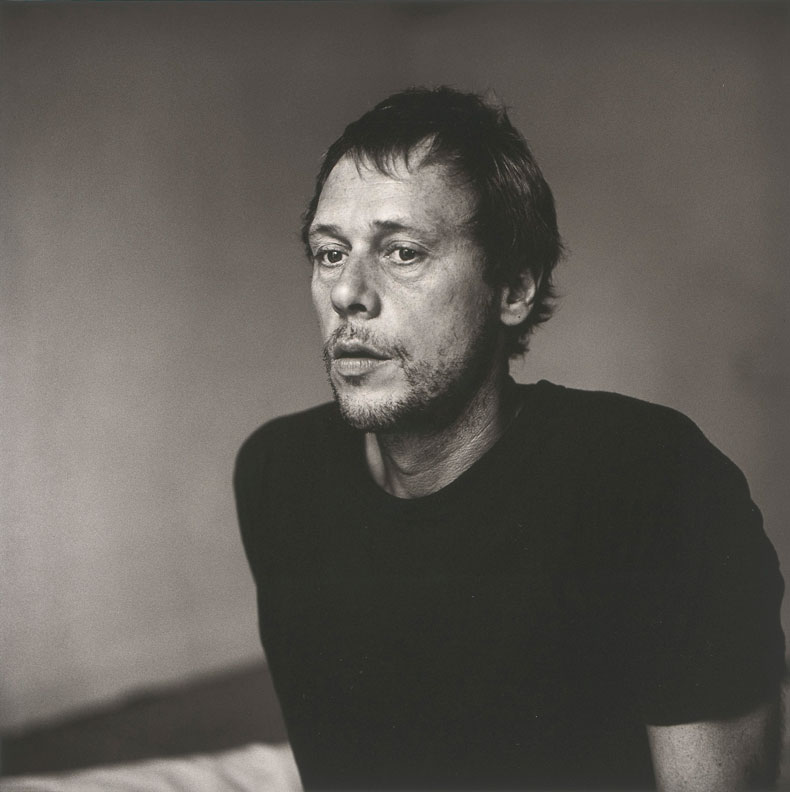
Instead, Durbin bookends his main narrative with the first and last times that Hujar, whose medium was photography, turned his camera on Thek – a more difficult-to-categorise artist whose work included painting and sculpture as well as collaborative installations and ‘happenings’. Along the way Durbin zooms in, analysing their personalities and patterns of behaviour as much as their artistic contributions. And he zooms out, placing them within their specific cultural scene. The book is a pleasure to read, elegantly written and deeply researched: a valuable compendium of material about two artists who were recognised in their time but neglected in the decades after. (Though the editing could be sharper occasionally: there are some infelicitous repetitions and digressions on people in the artists’ orbits.) What’s less clear is the benefit of combining their biographies in a single book.
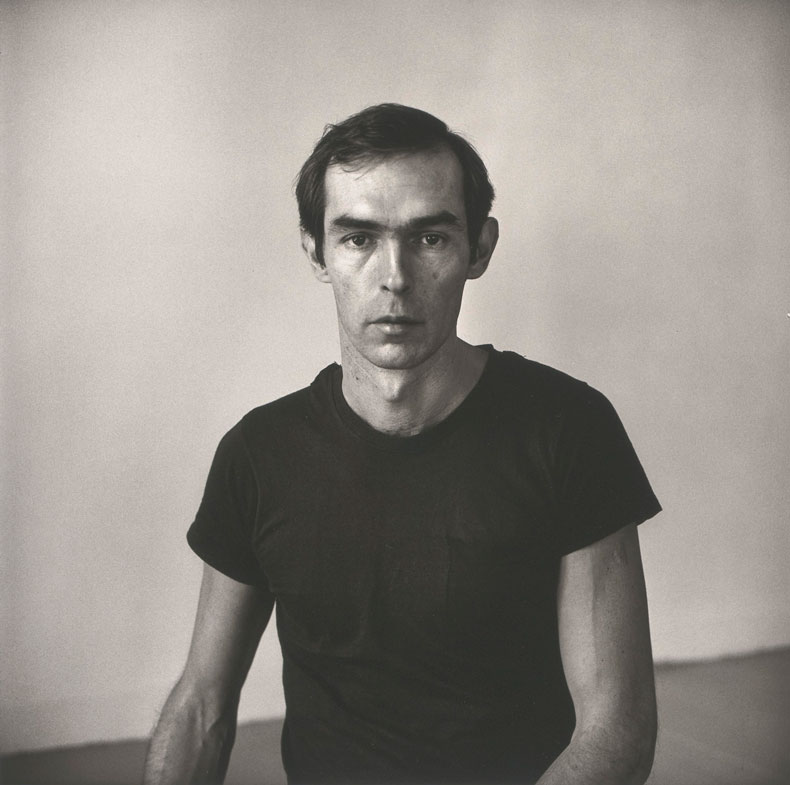
The strategy works best when it reveals what Hujar and Thek had in common – in particular, the struggle to make it as an artist who did not come from money. Thek was born in Brooklyn in 1933 to first-generation Americans of modest means and with whom he had a distant relationship. Hujar, born in 1934 in New Jersey, was from a young age raised on his Ukrainian grandparents’ farm, where he was abused by an uncle before being sent back to live with an emotionally volatile mother. Neither artist received financial support from their families, yet both were idealists who ‘would sooner go hungry than compromise’, writes Durbin – art sales were rarely made. He details how each nonetheless managed to eke out a living: occasional scholarships, casual jobs like waiting tables, commercial creative work, the generosity of friends. On one trip to Italy, Thek crashed at so many borrowed apartments that, as he joked in a letter to Hujar, he was probably the first Fulbright scholar to save on his stipend. Durbin speculates that maybe neither Thek nor Hujar knew how to handle success, because of how frequently they seemed to sabotage promising relationships with dealers and other supporters.
They were, however, very different characters. Indeed, for much of the book, they are on separate paths. Thek was continually on the move, between the United States and Europe, never quite at home in either place. From the late 1960s, he became increasingly fervent about his Catholic faith and tortured about his sexuality, which led him to obsess over the idea of settling down and starting a family with a woman (Susan Sontag was a serious contender). His mental health deteriorated – he called it ‘a severe case of going down in flames’ – which was a factor in the disintegration of his friendship with Hujar. The latter, meanwhile, was a committed New Yorker who embraced life as a queer man in a city swept up in the gay liberation movement. Durbin quotes his friend Fran Lebowitz: he was ‘a genius about sex’. While not much involved in politics, he was conscripted by his then-boyfriend to take the photograph that would appear on the poster for the first Pride march in 1970, on the first anniversary of the Stonewall uprising.
The huddle of activists charging joyfully down the street, fists raised, is among Hujar’s most famous images. Today he is also known for what he called his ‘hot’ pictures, for which he recruited friends, including Thek, to perform sex acts on camera. (That’s his photo of a man orgasming on the US cover of Hanya Yanagihara’s bestseller, A Little Life.) Durbin – editor-in-chief of Frieze – is excellent on the photography itself, highlighting both Hujar’s technical abilities and his uncanny ability to connect with all kinds of subjects, from drag queens to farmyard animals.
The same richness of detail and interpretation is not quite sustained in the discussions of Thek’s art – partly because a lot of it has been lost or destroyed but also perhaps because it is more challenging to summarise. We get tantalising glimpses, such as the gruesome flesh-like ‘meat pieces’, or Technological Reliquaries, modelled from beeswax and presented in Plexiglas boxes, which he started making in 1964. (They generated a buzz but hardly any sold in Thek’s lifetime.)
As Durbin writes, these still-shocking sculptures are shot through with meaning: about artifice and reality, violence and spectacle, religion and the body. But much of Thek’s other work – paintings and drawings on newspaper, landscapes and seascapes from his travels, collective projects made with the ‘Artist’s Co-op’ he founded in 1969 – is only sketchily described. In any story of two people, it’s hard not to pick a side. Why not give each artist his own separate life?
From the June 2026 issue of Apollo.