From the April 2026 issue of Apollo.
On 15 September 1930, the 63-year-old Canadian sculptor Tait McKenzie sent Christopher Hussey a birthday present. Hussey was appointed architectural editor of Country Life in the same year, and would go on to edit the influential magazine from 1933 to 1940. The present, a bronze portrait plaque 25cm in diameter, showed a moustachioed man with swept-back hair, with the inscription ‘Christopher Hussey – Man of Letters – from his Friend R. Tait McKenzie’. McKenzie accompanied his gift with a flirty letter: ‘Enclosed is a picture of a recently exhumed medallion of Apollo, some think it has a certain resemblance to you.’ The bronze now hangs at the foot of the stairway of Scotney Castle, the country house in Kent that Hussey bequeathed to the National Trust on his death in 1970. The bronze, and the letter – recently catalogued thanks to the efforts of National Trust volunteers exhuming Hussey’s life in letters found in sideboards and on bookshelves – hint at an alternative history of the building.
Hussey was part of a queer milieu whose members set the framework in place for the country house to become the mainstay of the UK’s heritage sector in the 21st century. His understanding of the country house, like many of the individuals who animate Michael Hall’s nuanced and entertaining study, was that of the method actor. He lived it. Hussey’s social circle in the 1920s and ’30s ranged across the avant-garde – ‘all those phases of Wells Coatsism & Chermayeffectics in the Archie Rev’ as John Betjeman would recall in a letter to Hussey – with country house weekends where Hussey would delight his hosts with talk of architectural improvements. One friend recalled the lasting impact of a visit Hussey made to Crosswood in Carmarthenshire in 1927:
I have stayed here many times this summer, & unfailingly, on the Evening of my arrival my fellow guest says: ‘Reggie, what are you doing in front’. ‘Ah, Christopher Hussey stayed here, & he was so helpful & kind, & this is the result’ […] They go together & with rapt interest more is told by the young man, about that Christopher Hussey who while visiting his friends improves their ‘fronts’ & no doubt if necessary, wouldn’t be above tampering with their ‘behinds’.
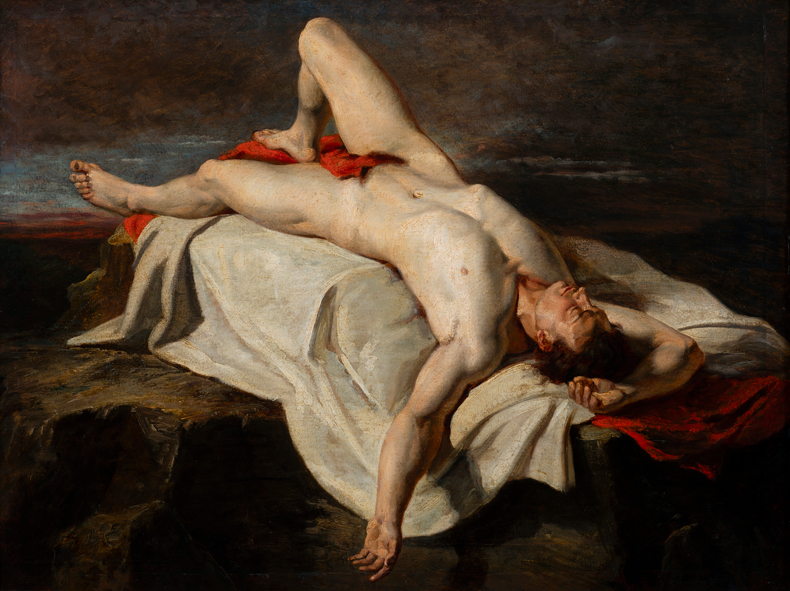
As Hall outlines, the provisions of the National Trust’s Country Houses Scheme, codified in a 1937 Act of Parliament, guaranteed a form of queer inheritance. The inalienability conferred by law removed the threat of future sale from not only houses but also their contents, which was ‘especially attractive to a particular class of donor: unmarried aesthetically minded men who had bought small historic houses, which they remodelled, decorated, furnished with their collections and very often enhanced with a garden, and now wished to see preserved in perpetuity’. What these men could not have predicted was how the relative balance of the country house visit would shift from aesthetic engagement to social history over the final quarter of the 20th century. As Hall’s discussion of Treasurer’s House, Packwood and Anglesey Abbey outlines, it is the National Trust’s property teams that must make decisions that seek to bridge the gap between the donors’ wishes and the questions any one of the 398,000 visitors to Anglesey Abbey might have when encountering Lord Fairhaven’s collection of small bronze sculptures of youthful nude male athletes by Tait McKenzie, or the corridor of male nudes by William Etty that led to his bedroom.
For critics who decry the direction of contemporary heritage organisations as marching in lockstep with wokery, Hall’s book is a significant corrective. It argues persuasively that the very idea of the country house as anything other than a vehicle for the intergenerational transfer of wealth, power and status through heteronormative relationships is, itself, a queer concept. Taking land, buildings and works of art out of family ownership, severing lines of inheritance in perpetuity, is a radical act.
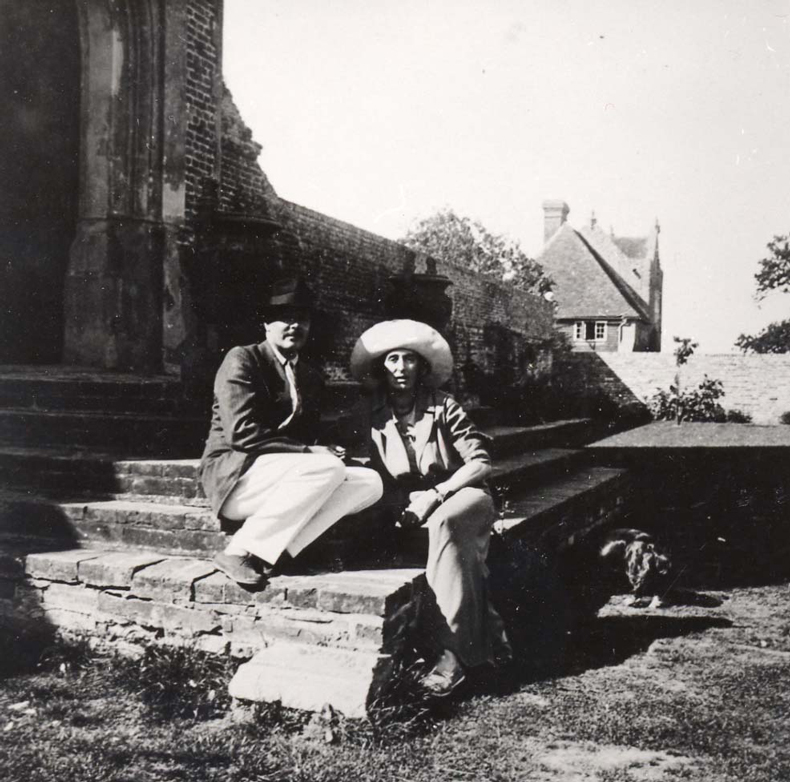
A Queer Inheritance is not just about the country house. Hall is particularly attentive to the dual purpose enshrined in the National Trust’s full name, the National Trust for Places of Historic Interest or Natural Beauty, across the book’s three sections. The first reorientates the early history of the National Trust within the queer communities of 1890s London, through a nuanced examination of Octavia Hill, one of the Trust’s founders, and her relationship with women, alongside discussions of public morality in the wake of the trial of Oscar Wilde. The second, titled ‘Places’, is the heart of the book. Hall outlines the ways in which Kingston Lacy, Clumber Park, Piney Copse, Knole, Sissinghurst, Smallhythe, Lamb House, Clouds Hill and Plas Newydd were shaped by queer people including E.M. Forster, Vita Sackville-West and T.E. Lawrence. The third section describes the upheavals in the National Trust caused by the bachelor aesthetes who turned to the organisation to conserve their legacy. Hall gives little oxygen to the critiques of organisations such as Restore Trust, focusing instead on the potential in National Trust places to support queer studies in a range of fields, from nature, ecologies and environments, to art, collecting and interior decoration. At the same time, it emphasises the ways in which these sites can be places for queer people today to seek communities across time.
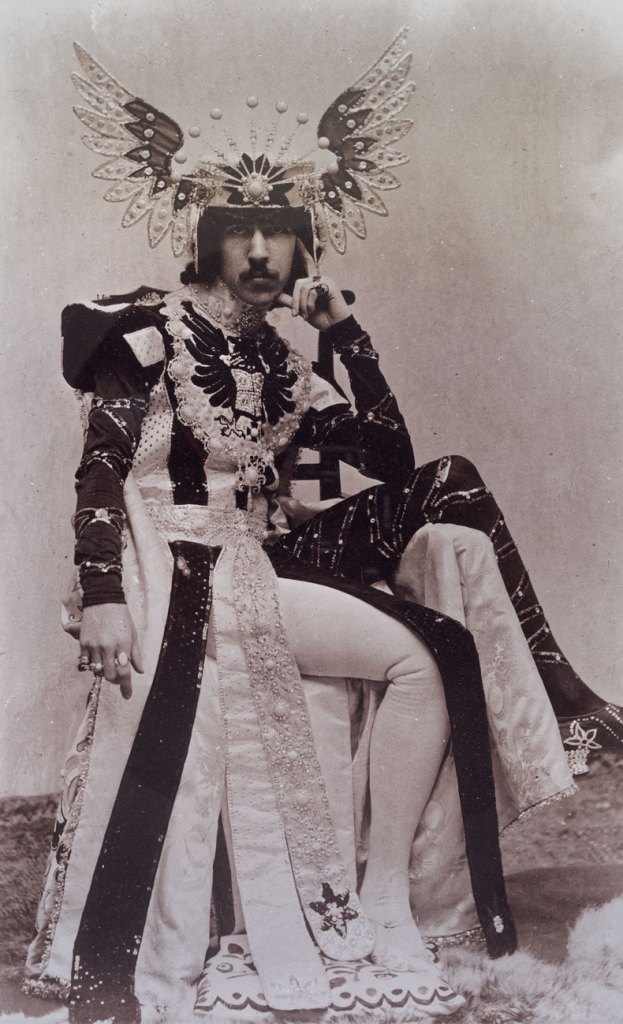
The book is committed to showing the complexities of human life. Descriptions of the likes of Henry Paget, ‘the Dancing Marquess’ of Plas Newydd, dripping in diamonds and jewels and bemusing his tenants in Anglesey, are balanced by frequent reminders of the legal consequences when queer identities were pulled out of the comparative safety of the country house or the London theatre scene. For visitors to the spaces and places of the National Trust, Hall’s definition of queer – ‘anyone whose relationships, orientation or behaviour did not in some way conform to society’s norms for sexuality and gender’ – is an invitation to discover the whole history of a site.
A Queer Inheritance: Alternative Histories in the National Trust by Michael Hall is published by Bloomsbury Caravel.
From the April 2026 issue of Apollo.