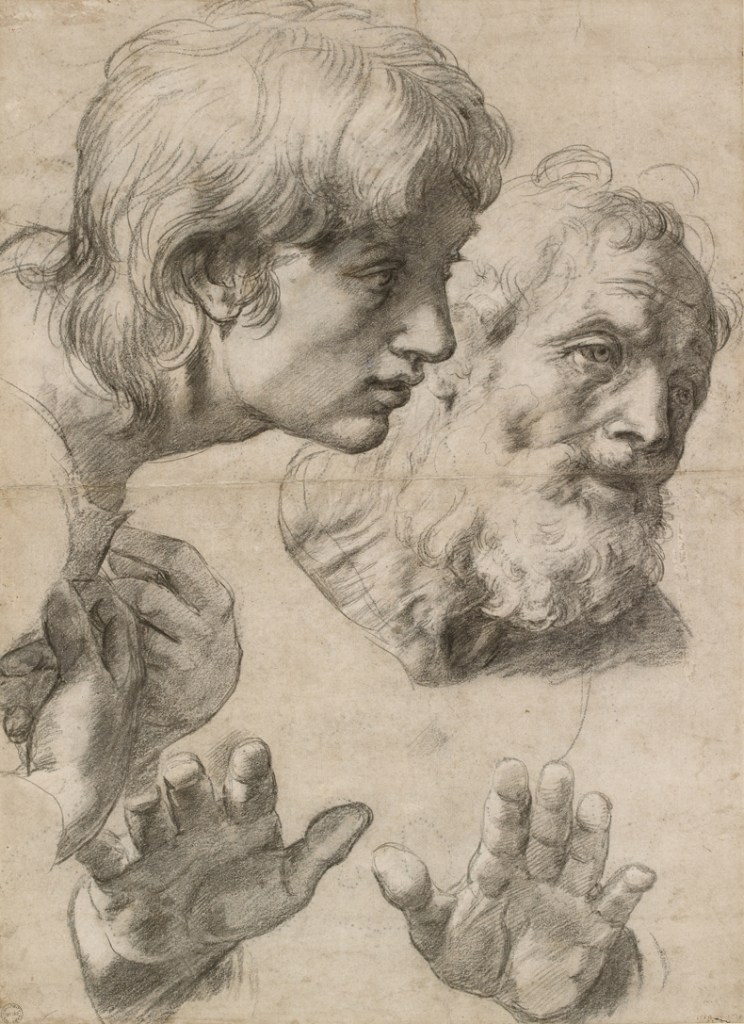
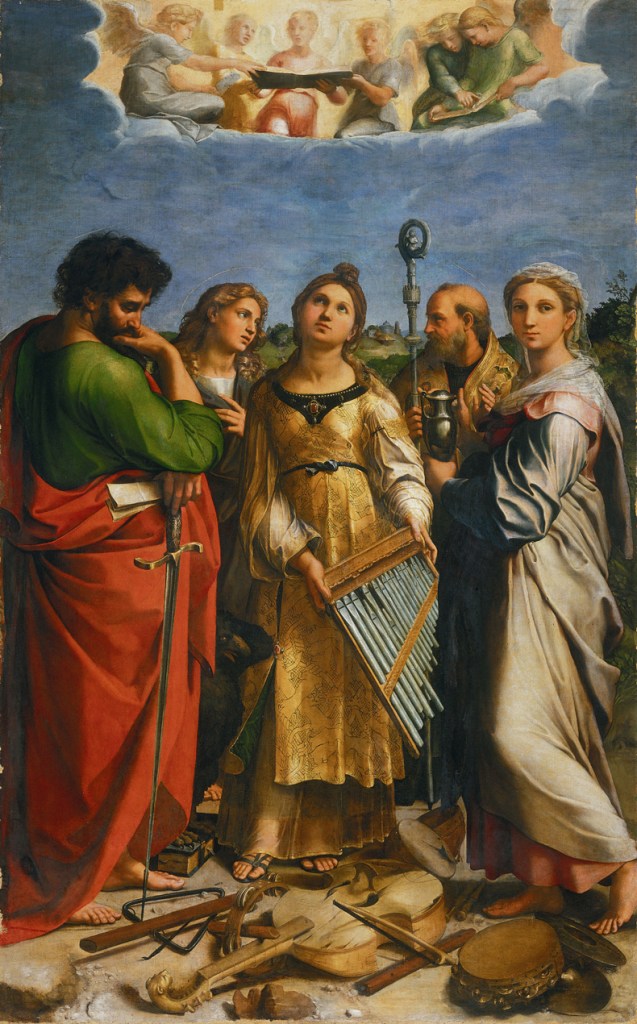
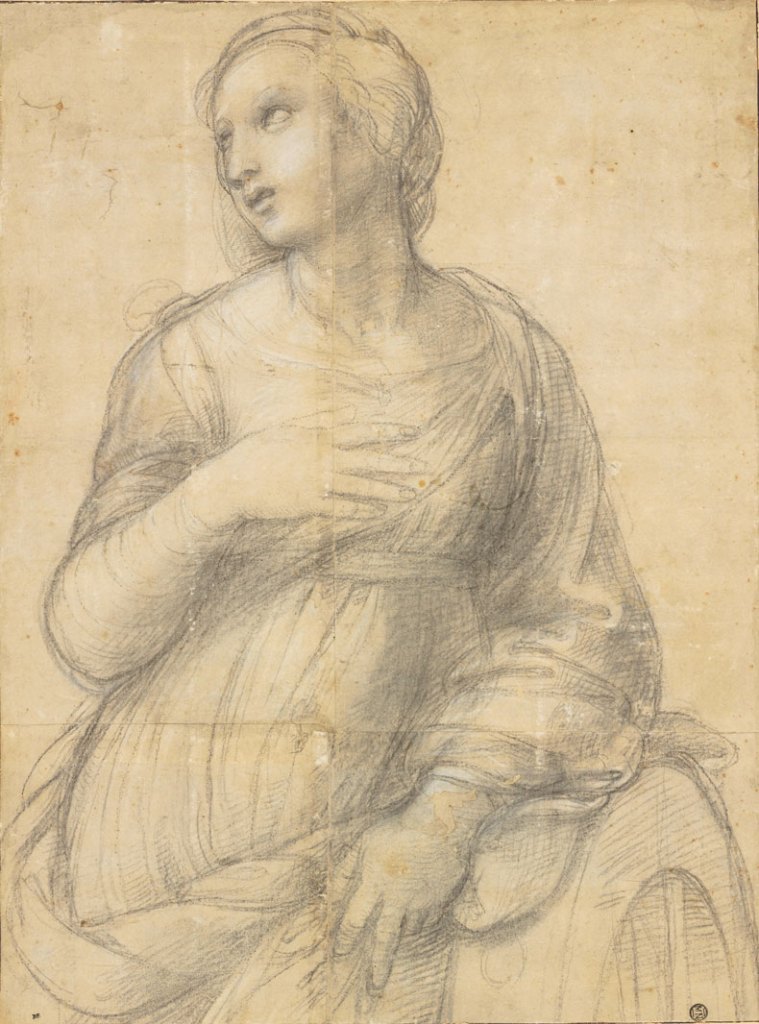
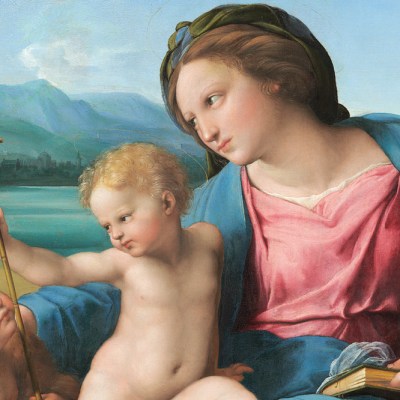
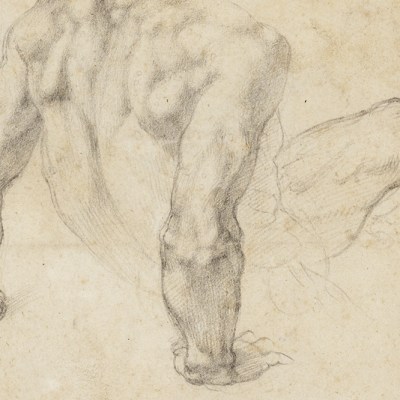
For centuries after his death, Raphael (1483–1520) was regarded as the greatest artist of the Renaissance, his renown as a painter eclipsing that of even Leonardo and Michelangelo. The title of this exhibition at the Met nods to the idea that, as Leonardo put it, ‘painting is a mute poetry, and poetry is a blind painting’; few artists better exemplified this idea than Raphael, the son of a poet who wrote sonnets himself and made paintings characterised by remarkable narrative force (29 March–28 June). Raphael wore many other hats – he was a surveyor of antiquities, an architect and designed tapestries and theatrical sets – and this exhibition brings together some 170 works displaying the artist’s versatility. It charts his early work in Urbino, his emergence as a leading artist in Florence and his final years in the patronage of Popes Julius II and Leo X.
Find out more from the Met’s website.
Preview below | View Apollo’s Art Diary