The curving porch, ribbed facade and boxy marquee of the Rio cinema, awash with colour after dark, is hard to miss – even in a thoroughfare as tumultuous as Kingsland High Street in Dalston, a stew of Turkish, West African and cool young London life. Within a week of landing in the area in 2002 I was anxiously puffing on roll-ups in its balcony as I flinched along to a late-night screening of The Texas Chain Saw Massacre. At that point, I had no inkling that the place had been such a survivor, the oldest continuously operating cinema in the UK. And as Hackney dwellers celebrate its latest milestone, 50 years as a community-owned charity, it’s worth pondering how it has soldiered on when so many independents have bitten the dust or been gobbled up by mainstream art-house chains.
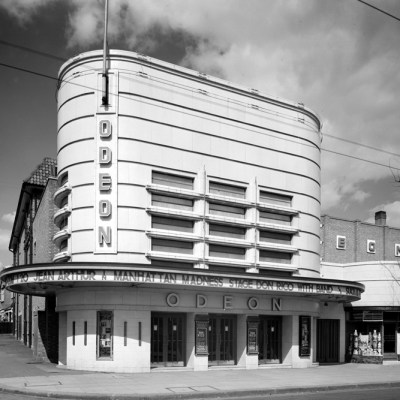
What we see today is Frank Ernest Bromige’s art deco design of 1937. It was a response both to streamlined style trends and the advent of sound. The architecture of the Edwardian picturehouses worked well enough for silent movies, but their taller, narrower interiors were poor for the talkies’ acoustics. Hence they became lower and wider, as did their screen formats, enabling the audience to hear dialogue clearly and get a better view. I mention this mainly because Bromige’s auditorium occupies the bottom two-thirds of an older incarnation, and one can peer through a secret door in the Rio’s roof to see what remains of the Kingsland Empire, its domed ceiling, proscenium arch and tiled friezes. So how far back do we need to go for the site’s origin story?
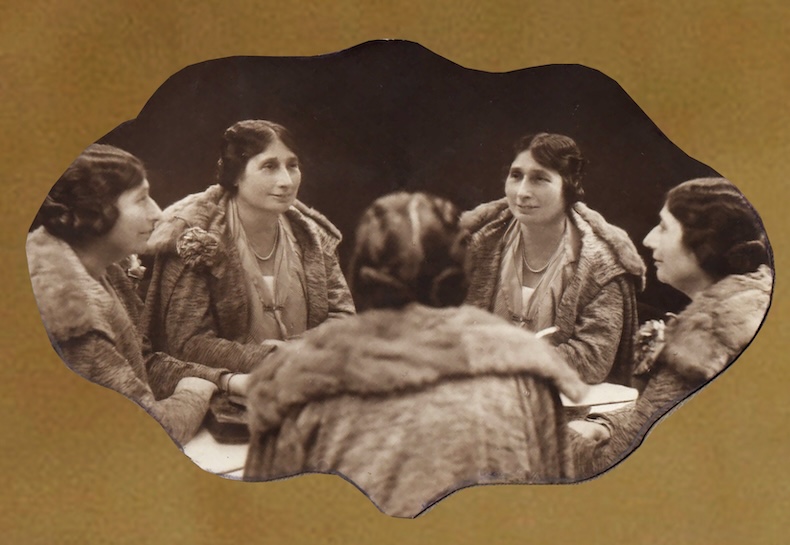
In 1909 Jewish businesswoman Clara Ludski converted her family’s auctioneer’s shop into the Kingsland Palace of Animated Varieties. She is credited with the entrepreneurial insight: ‘Why have chairs and sell them only once; why not have 200 and sell them six times a day.’ That proved shrewd, for six years later she had bought up two adjoining properties, and expanded to a 1,200-seater auditorium, and had incorporated a two-storey tea room. (It’s this picture palace whose phantom lives on in the Rio’s ceiling void.) Though Ludski sold up in the 1930s, a golden age was underway: in Hackney alone, between 1920 and 1950, an astonishing 30 cinemas were operating at the same time. That end date, marking the dawn of television, saw many close down or morph into bingo halls.
One reason the Kingsland Empire remained resilient was that the Classic chain, its owner in the 1950s and ’60s, had a repertory programme: double bills of recent films, with the manager allowed discretion based on an area’s demographics (the Gaumont group, by contrast, did block bookings of all new films, which played in all their cinemas). The roots of the Rio lie in this responsiveness to local populations. One example passed on to me by Andrew Woodyatt, in-house historian and programmer, is that the Classic Continental, as it was then called, reflected the fact that Dalston had become a mecca for mods by showing plenty of youth exploitation films alongside its normal diet of Fellini et al. Early Bollywood, Turkish cinema and kung fu features – loved by the burgeoning Caribbean population – could be found in the listings, reflecting new groups of migrants.
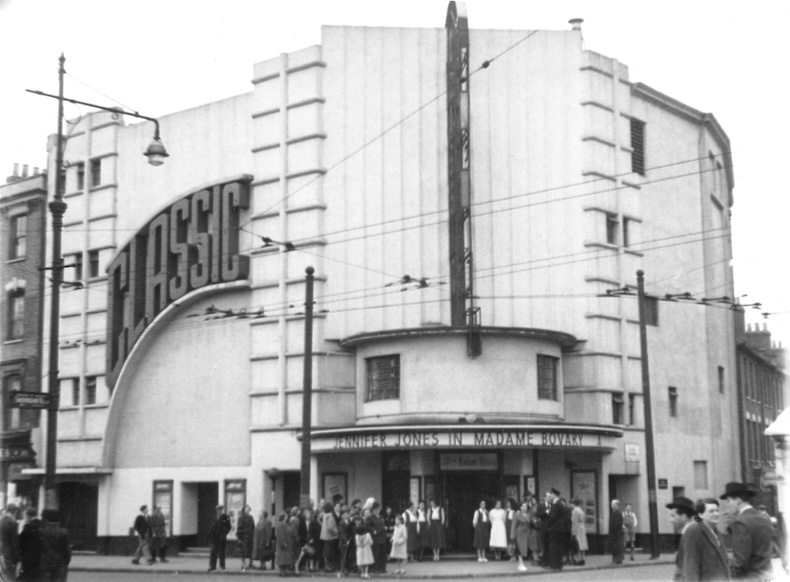
There was a shift in the law in 1970 – uncensored films could now be shown to private members – and another change in tack for this east London picturehouse. Rebranded the Tatler Cinema Club, it now showed imported hardcore porn. It became so lucrative that the owners could afford to build a stage and intersperse their blue movies with full Vegas-style strip shows. But by the middle of the decade a working party of locals, revolving round an independent bookshop nearby called Centerprise, put forward a proposal to the local council and the Greater London Council (GLC) to fund the purchase of the cinema, turning its capacious basement – used as an air-raid shelter during the war – into a hub for workshops, rehearsal spaces and community meetings. After the green light was shown, a management committee was elected from members and the Rio became a not-for-profit company and a registered charity.
Bolstered by the GLC’s anti-Thatcherite stance, during the 1980s the cinema became a locus of resistance, hosting fundraisers for political prisoners in Northern Ireland and Astrid Proll, a member of the Baader-Meinhof gang, who had sought sanctuary in the borough to avoid deportation. Downstairs assembled a thriving patchwork of animation workshops, feminist film-makers and the UK’s sole female-only recording studio, overseen by one Viv Acious, which taught girls (including members of the Skids and the Mint Juleps) the basics of engineering, arranging and using a mixing desk. In 2016 Woodyatt came upon a battered filing cabinet in the basement containing 12,000 slides taken by the Tape/Slide Newsreel Group, consisting of young unemployed people who were sent out to photograph and sound-record under-reported stories in Hackney (their ‘newsreels’ were shown in the auditorium upstairs). Capturing festivals, markets and the Woolworths and Ford Cortinas of local 1980s streetscapes, these images also capture a time of protest – against NHS cuts, bad housing and the suspicious death of a black man, Colin Roach, at Stoke Newington police station. ‘These were tough times,’ says Andrew. ‘In the early ’80s, more than half the tickets sold at the Rio had an unemployed discount.’ Posted on Instagram, the images soon gained currency and culminated in a book published in 2020 by Isola Press.
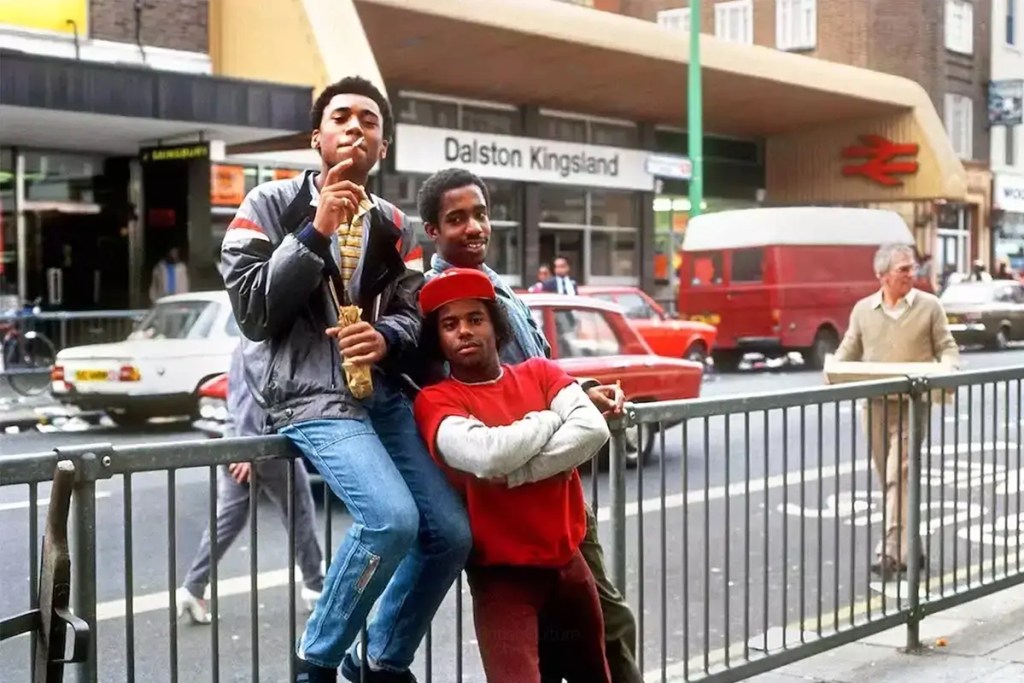
By the mid-1990s, affluence was on the rise and art-house movies, such as Fargo, Reservoir Dogs and Trainspotting, had broadened their appeal. But by the end of the decade, the Rio was becoming a fleapit. Thankfully, a successful Lottery grant application allowed for an extensive refurbishment, changing the rake of the auditorium, restoring Bromige’s colour scheme (but not, alas, the original cove lighting scheme), sacrificing stalls for an expanded lobby, installing new seats and custom leopard-print carpet throughout. The introduction of air conditioning and a Dolby sound system immediately made it a bigger draw. What continued to distinguish the Rio from its counterparts, such as the ICA, the Gate in Notting Hill and Brixton’s Ritzy, which sought a middle-class broadsheet-reading audience, was its links to local life, and its hosting of Turkish, Kurdish and Fringe Queer festivals.
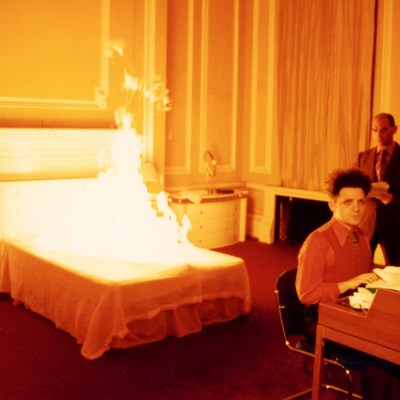
But the rise of streaming services remained a challenge, and when Woodyatt arrived in 2016, there were only funds left for about four more weeks of trading. One potential opportunity was the fact that, coasting on a new wave of Electroclash music and the area’s embrace of gender fluidity, the high street had become a beacon of nightlife, centred on the venues Vogue Fabrics and Dalston Superstore. A cinema survey ascertained that 42 per cent of its audience identified as other than heterosexual. Andrew recalls saying to his manager at the time: ‘You do realise on your doorstep you now have the coolest club in the world, according to ID and Vogue.’ So the management committee started working with youth brands such as Mubi, Boiler Room and Dazed and Confused, which could host big events in the expansive auditorium. The apotheosis of this new approach was a Sportsbanger x Jeremy Deller rave, the first socially undistanced event after Covid, and a tribute to the early 1970s Tatler blue-movie era. As well as indoor fireworks, striptease of a rather different kind took place on the stage that had been constructed for the purpose 50 years before. ‘We had a male pole-dancer who inserted ice lollies and then fired them out into the audience,’ Andrew recalls: ‘Absolutely insane, the carnage and the mess, but it was a brilliant night, and people said they really needed it.’
Now the team have opened up a second 29-seat screen in the basement, allowing for more niche titles, festival screenings and to wring the attendance out of films first shown upstairs. On a Blu-Ray player next door the underground film club Pink Palace, curated by Woodyatt, shows titles such as The Gay Girls Riding Club and Saturday Night at the Baths. Indeed several of the staff run their own film clubs, from Category H (horror movies) to Never Watching Movies (diaspora films), which bring in enthusiasts from all over London. Ever focused on community outreach, the Rio also runs a carers and babies club, films for the hard-of-hearing, screenings for schools and Britain’s longest-running pensioners’ offering: Classic Matinee, served with tea and biscuits.
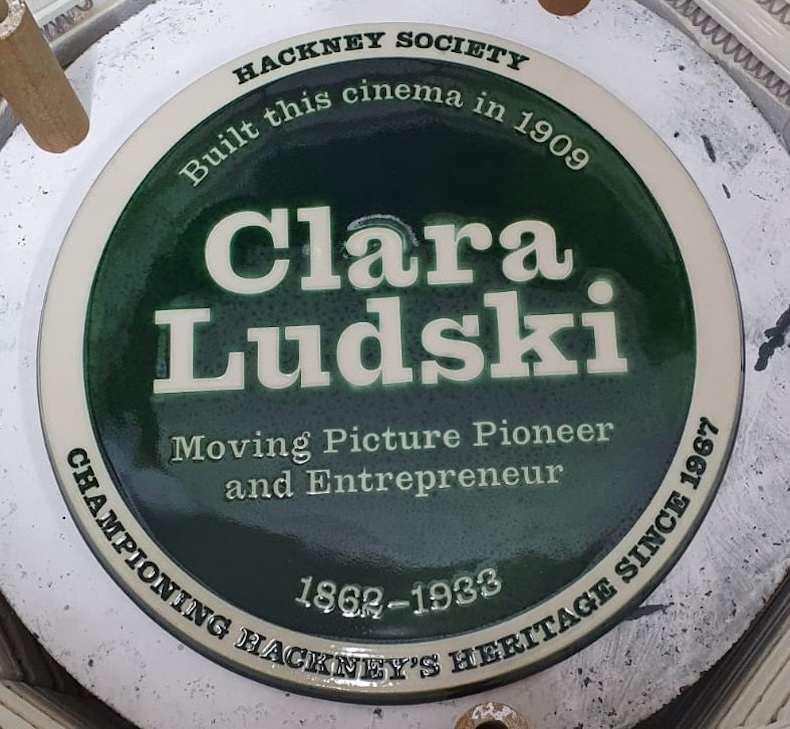
‘Rio Forever’, celebrating its 50th anniversary as a community cinema, comprises a six-month programme of special events, from Sally Potter presenting her film Orlando, to ‘Uncommon Voices’ (a panel with short films on class in British cinema), and late-night genre events with live performances. The celebrations were launched last week with the unveiling of a plaque to Clara Ludski, the woman who started Rio’s story. In the age of Netflix and the multiplex, it’s truly heartening to see a grassroots community moviehouse flourish – and to realise that even when we’re sitting in the dark, we’re doing so alongside other people.
The ‘Rio Forever’ season runs at Rio Cinema, 107 Kingsland High St, London.